

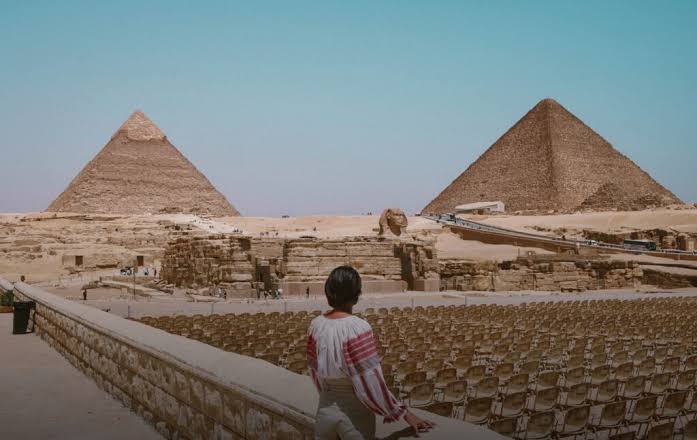
Egypt has captivated travelers for thousands of years—and that fascination shows no sign of slowing down. According to the Egyptian Ministry of Tourism, the country welcomed over 15 million international visitors in 2023, with numbers continuing to climb year over year. First-time visitors and seasoned globetrotters alike are drawn by the same magnetic pull: towering monuments, living history, and a culture that rewards curiosity at every turn. For those planning their first or return visit, choosing the right egypt tour packages is the single most important decision you’ll make before departure. The right package shapes your entire experience—from how you move between cities to which sites you actually get to see.
This guide breaks down everything worth knowing: how to choose the right itinerary, what different regions offer, why private tours outperform group options, and what questions to ask before you book.
How Popular Is Egypt as a Travel Destination?
The numbers tell a compelling story. Egypt ranks among the top 20 most visited countries in the world, and tourism accounts for roughly 11.9% of the country’s GDP. Luxor alone is home to roughly one-third of all the world’s ancient monuments. The Grand Egyptian Museum, which opened its doors in full in 2024, is the largest archaeological museum on the planet—drawing hundreds of thousands of visitors in its first year alone.
These aren’t abstract statistics. They reflect a destination that consistently delivers on its promise. The scale and density of Egypt’s historical sites is unmatched—nowhere else can you visit a 4,500-year-old pyramid complex in the morning and explore a medieval Islamic bazaar by afternoon.
What Are the Main Travel Regions in Egypt?
Understanding Egypt’s geography helps you build a smarter itinerary. The country divides into several distinct regions, each offering something different.
Cairo and Lower Egypt serve as the entry point for most travelers. The capital city is home to the Giza Pyramid Complex, the Great Sphinx, the Egyptian Museum, and the newly opened Grand Egyptian Museum. It’s also a gateway to nearby sites like Saqqara and Memphis.
Upper Egypt, despite its name, sits in the south of the country. This is where Luxor and Aswan are located—two cities that anchor most Nile-based itineraries. Luxor is often called the world’s greatest open-air museum, housing Karnak Temple, the Valley of the Kings, and the Mortuary Temple of Hatshepsut. Aswan offers a quieter pace, with the Philae Temple complex and the stunning Abu Simbel temples a short flight away.
The Red Sea Coast, particularly around Hurghada and Marsa Alam, provides the perfect contrast to archaeological exploration. World-class coral reefs and year-round warm water make this region a natural extension for travelers who want beach time alongside cultural sightseeing.
The Sinai Peninsula attracts adventure seekers. Sharm El Sheikh and Dahab are well-known diving destinations, while Mount Sinai draws hikers and pilgrims alike.
The Western Desert remains one of Egypt’s most underrated regions. The White Desert’s chalk formations, the Black Desert’s volcanic hills, and the lush Bahariya Oasis offer a vastly different experience—one that appeals to travelers who want something off the standard tourist circuit.
Why Do Travelers Choose Private Tours Over Group Options?
The group tour model has a long history in Egypt—but private travel has been growing significantly in popularity. A 2022 survey by the World Tourism Organization found that over 60% of high-value travelers now prefer private or semi-private guided experiences over large group tours.
The reasons are straightforward. Private tours move at your pace. If you want to spend an extra hour at Karnak Temple or skip a site entirely, your guide adjusts without disruption. There are no strangers to wait for, no lowest-common-denominator schedules, and no compromise on the depth of your experience.
With a private arrangement, your guide is chosen specifically for your interests—whether that’s ancient Egyptian religion, Islamic architecture, or the natural history of the Nile Valley. Your driver and vehicle are dedicated to your group. Your hotel choices reflect your preferences, not a block booking made months ago.
For families, couples, and solo travelers alike, the private model consistently delivers higher satisfaction—and often proves more cost-effective than it initially appears when you factor in the quality of inclusions.
What Does a Nile Cruise Actually Involve?
A Nile cruise is one of the most enduring travel experiences in the world—and it remains a highlight of many Egypt itineraries for good reason. Sailing between Luxor and Aswan, travelers access ancient temple sites directly from the riverbank, without the need for long road transfers.
Most cruises run between four and seven nights. During that time, shore excursions typically include Karnak Temple, Kom Ombo, Edfu’s Temple of Horus, and Philae Temple in Aswan. Meals, guided excursions, and onboard entertainment are generally included.
Modern cruise ships range from comfortable midrange vessels to genuine five-star floating hotels with private balconies and curated dining. For travelers seeking a more intimate experience, a Dahabiya—a traditional wooden sailing vessel carrying just a handful of guests—offers something fundamentally different: slower travel, quieter moorings, and access to stretches of the Nile that larger ships cannot reach.
Pairing a Cairo stay with a Nile cruise remains the most popular format for first-time visitors, and for good reason. It covers both of Egypt’s essential pillars—the iconic monuments of the north and the ancient temples of Upper Egypt—without feeling rushed.
Frequently Asked Questions About Egypt Tours
How long should I spend in Egypt?
A minimum of seven days allows you to cover Cairo, Luxor, and Aswan in a meaningful way. Eight to ten days gives you more breathing room and the option to include Abu Simbel or a Red Sea extension. Two weeks opens up multi-country itineraries that can include Jordan, Greece, or Morocco.
What is the best time of year to visit Egypt?
October through April offers the most comfortable temperatures for sightseeing, particularly in Upper Egypt where summer heat can be intense. December and January are peak season—expect larger crowds at major sites and higher accommodation prices. March and April offer a strong balance of mild weather and manageable visitor numbers.
Is Egypt a safe destination for international travelers?
Egypt is a well-established tourism destination with a mature infrastructure for international visitors. Travelers using reputable operators benefit from VIP airport assistance, dedicated guides during all sightseeing, and 24/7 support throughout their trip. As with any international travel, awareness and preparation matter—but millions of visitors travel safely through Egypt each year.
Do I need a visa to visit Egypt?
Most nationalities can obtain a visa on arrival at Egyptian airports or apply online through Egypt’s official e-visa portal before departure. The process is straightforward and takes most applicants under 10 minutes to complete online. Costs and eligibility vary by nationality, so it’s worth checking current requirements before you travel.
What should I budget for an Egypt tour?
Costs vary significantly based on the standard of accommodation, tour duration, and inclusions. A privately guided 8-day tour including a 4-night Nile cruise, Cairo hotels, domestic flights, and guided excursions typically starts from around $2,500 per person. Luxury options with five-star hotels, premium cruise cabins, and additional experiences can reach $5,000 or more. Shorter packages and budget-friendly options exist at lower price points.
How far in advance should I book?
Booking three to six months ahead is advisable for most travel dates. For peak periods—particularly Christmas, New Year, and Easter—six months or more is strongly recommended. Early booking often unlocks discounted rates and ensures availability of preferred cruise cabins and hotel categories.
Planning Your Egypt Trip: The Right Starting Point
Egypt rewards those who arrive prepared. Understanding the country’s regions, knowing what different tour formats offer, and thinking clearly about your own travel priorities all lead to a better experience on the ground.
The most memorable Egypt trips share a common thread: they’re built around what the traveler actually wants to do, not around a generic checklist. Whether that means diving deep into pharaonic history, cruising the Nile in style, camping beneath the stars in the White Desert, or combining multiple countries in a single journey—the starting point is always a clear conversation with someone who knows Egypt well.
The monuments have stood for thousands of years. They’ll be waiting when you arrive. The only question is how you want to experience them.
