

Introduction
Electricity is something most property owners rarely think about until a socket stops working, a breaker keeps tripping, or an unexpected electrical fault appears. Yet electrical systems can deteriorate quietly for years. Ageing cables, overloaded circuits, damaged accessories, poor alterations, and hidden defects may create risks long before an obvious warning appears.
That is why professional Electrical Testing Telford services are an important part of responsible property ownership and maintenance. Testing is not simply about finding faults after something goes wrong. It is about understanding the condition of an electrical installation, identifying potential hazards early, and making informed decisions about repairs and future maintenance.
For homeowners, landlords, commercial operators, and industrial businesses across Shropshire, regular inspection can provide valuable reassurance while helping properties remain suitable for continued use.
What Does Electrical Testing Involve?
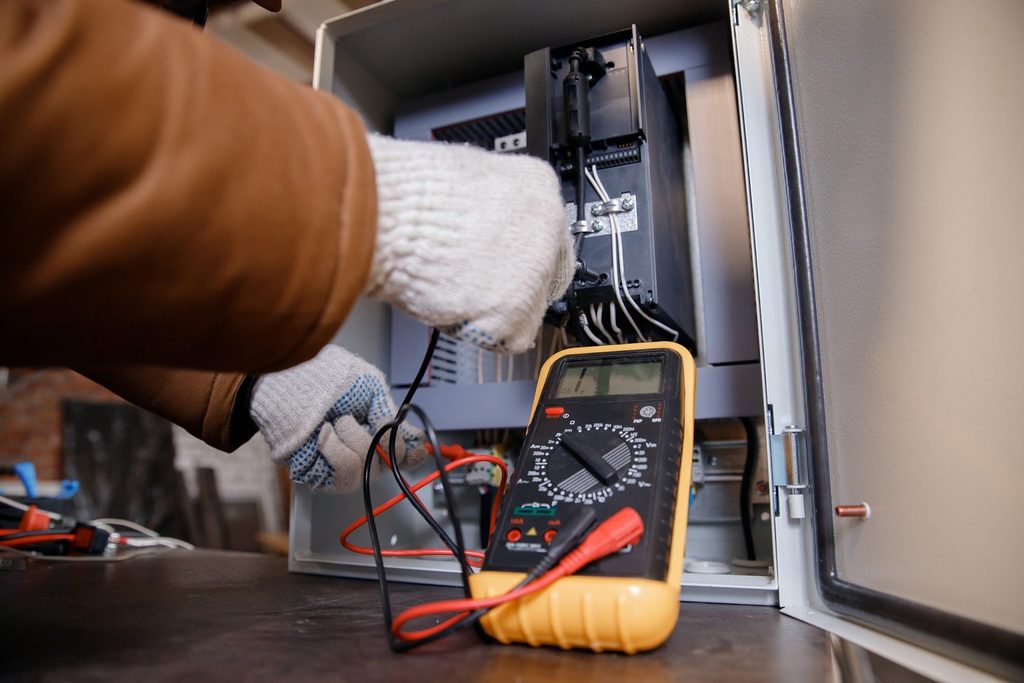
Electrical testing is a systematic examination of an electrical installation to determine whether it is operating safely and whether defects or deterioration are present.
A qualified electrician can inspect components such as consumer units, distribution boards, wiring, switches, sockets, protective devices, earthing arrangements, and other parts of an installation. Testing can also involve measurements and checks designed to identify issues that may not be visible during an ordinary visual inspection.
The exact testing requirements depend on the property and the purpose of the inspection. A domestic property, commercial premises, manufacturing facility, and older building can all have very different electrical demands.
Professional Electrical Testing Shropshire therefore needs to be approached as a property-specific service rather than a one-size-fits-all checklist.
BS 7671 and Electrical Inspection Reports
Electrical inspection and testing in the UK is closely associated with the requirements of BS 7671, commonly referred to as the IET Wiring Regulations.
Two important types of documentation are an Electrical Installation Certificate (EIC) and an Electrical Installation Condition Report (EICR).
An EIC is generally associated with new electrical installations, alterations, or additions. It provides confirmation that the completed work has been inspected and tested against the applicable requirements.
An EICR, meanwhile, relates to the periodic inspection and testing of an existing electrical installation. Its purpose is to assess the condition of the system and identify defects or deterioration that could affect safety.
Understanding the difference is useful because an EIC and EICR are not interchangeable documents.
Why Is Electrical Testing Important?
A functioning electrical system is not necessarily a safe electrical system. Some problems remain hidden until equipment fails or a dangerous situation develops.
Testing provides an opportunity to discover these problems before they become more serious.
1. Finding Hidden Electrical Defects
One of the biggest advantages of professional testing is the ability to identify defects that may not be obvious to a property owner.
Issues can include deteriorated wiring, damaged components, inadequate connections, or problems with protective measures. Early identification allows suitable remedial work to be planned instead of waiting for an electrical failure or safety incident.
2. Reducing Electrical Risks
Electrical faults can potentially result in electric shock, overheating, equipment damage, or fire. Regular inspection helps establish whether an installation continues to provide appropriate protection.
This is particularly important in older buildings where wiring and electrical components may have been installed many years ago.
3. Protecting Electrical Equipment
Modern homes and businesses often depend on numerous electrical appliances and systems. Computers, machinery, refrigeration, heating equipment, lighting, chargers, and specialist equipment can all be affected by electrical problems.
Testing can help identify conditions that could contribute to equipment damage, allowing property owners to investigate and address issues before expensive failures occur.
4. Supporting Legal and Regulatory Responsibilities
Electrical safety is also a compliance issue. The Electricity at Work Regulations 1989 place duties on those responsible for electrical systems used at work, requiring them to be maintained so that they do not present danger.
For landlords, electrical safety responsibilities are particularly important. Appropriate inspection and documentation can demonstrate that electrical installations have been assessed and that necessary action has been considered.
Electrical Testing for Landlords and Property Owners
For landlords, electrical testing is about more than ticking a compliance box.
A rented property contains electrical equipment and wiring that tenants rely on every day. Because tenants may not recognise early signs of electrical deterioration, property owners need appropriate inspection arrangements to help identify potential problems.
An EICR can provide an overview of the condition of an existing installation and highlight areas requiring attention.
Where an inspection identifies defects, the appropriate remedial work should be considered rather than simply filing the report away.
Keeping electrical documentation organised can also make property management easier. Certificates and inspection reports provide a useful record of work and testing carried out over time.
Benefits for Property Owners
Professional electrical inspection can offer several practical benefits:
- Improved safety: Potential electrical hazards can be identified earlier.
- Better maintenance planning: Defects can be addressed before they develop into larger problems.
- Compliance support: Appropriate testing and documentation can help demonstrate that electrical responsibilities are being taken seriously.
- Property confidence: A properly maintained electrical installation can make a property more attractive to occupants.
- Protection of equipment: Identifying electrical issues may help reduce the likelihood of damage to connected appliances and systems.
For landlords and commercial property managers, keeping electrical systems properly maintained can therefore form an important part of overall property management.
Electrical Testing Shropshire for Businesses and Industrial Sites
Commercial and industrial properties can have much more demanding electrical requirements than ordinary homes.
A business may depend on three-phase equipment, machinery, office lighting, structured data cabling, security systems, emergency equipment, EV chargers, and other electrical infrastructure. A fault affecting one part of the system can potentially disrupt normal operations.
This makes planned inspection particularly valuable.
For industrial environments, testing should take account of how electrical systems are actually used. Machinery and specialist installations may require a more detailed approach than a standard domestic electrical inspection.
Experienced commercial electricians can also support businesses with planned maintenance, installation work, compliance testing, emergency repairs, and system upgrades.
Why Businesses Should Not Wait for a Fault
Waiting until something fails can be expensive.
An electrical problem could result in:
- Interrupted business operations
- Damaged machinery
- Unplanned repair costs
- Loss of productivity
- Safety concerns
- Potential disruption to staff and customers
A planned testing and maintenance strategy can help businesses identify issues while they are still manageable.
What Happens During an Electrical Inspection?
The exact procedure varies according to the property, installation, and type of inspection. However, professional testing generally involves a structured examination rather than simply looking at visible electrical components.
An electrician may assess the condition of accessible electrical equipment, inspect relevant components, carry out appropriate tests, and document significant findings.
If defects are discovered, the report can help explain what has been identified and whether further investigation or remedial work is required.
This is why choosing a competent and appropriately qualified electrical professional matters. Electrical testing involves technical judgement, and the resulting documentation can influence important safety and maintenance decisions.
Electrical Testing and EV Charger Installations
The growth of electric vehicles has added another reason for property owners to think carefully about electrical capacity and safety.
EV charging equipment can place a significant demand on an electrical installation. Before and during an EV charger installation, the existing system may need to be assessed to determine whether the proposed equipment can be installed appropriately.
Depending on the charger, installation, and property, charging equipment may operate at different power levels. Home and workplace chargers can provide convenient charging, while faster and rapid charging systems are generally associated with commercial or public environments.
Professional installation should therefore consider the complete electrical setup rather than treating the charger as an isolated piece of equipment.
Testing after installation is also an important part of ensuring the equipment has been installed correctly and operates as intended.
Choosing a Professional Electrical Testing Service in Telford
Not every electrical testing requirement is the same, so it is sensible to choose an electrician with experience relevant to your type of property.
When comparing Electrical Testing Telford providers, consider factors such as:
Qualifications and Experience
Look for appropriately trained electricians who understand current electrical standards and testing procedures. Experience is particularly valuable for older, commercial, or technically complex installations.
Relevant Accreditation
Accreditation and registration can provide additional confidence when selecting an electrical contractor. Severn Volts Limited, for example, states that its technicians are trained to BS 7671 standards and that it provides NAPIT inspection services.
Clear Reporting
A useful inspection should result in understandable documentation. Property owners should be able to see what was inspected, what was identified, and whether further action is recommended.
Commercial Capability
If you operate a business or industrial site, choose a contractor capable of dealing with more complex systems rather than one focused exclusively on domestic work.
A Complete Approach
Electrical testing can sometimes reveal the need for additional work. A contractor able to provide testing, installation, maintenance, and remedial services can make the process more straightforward.
Benefits of Regular Electrical Testing
The value of electrical testing extends beyond the inspection itself.
Safety: Regular assessments can help identify potentially dangerous defects.
Peace of mind: Knowing that an electrical installation has been professionally assessed gives property owners greater confidence.
Maintenance planning: Testing can reveal areas that may need attention, allowing work to be planned rather than handled as an emergency.
Compliance: Appropriate inspection and certification can support electrical safety obligations.
Property protection: Maintaining electrical systems can help reduce avoidable risks to buildings, appliances, machinery, and other assets.
Operational reliability: For businesses, proactive electrical maintenance can help reduce unexpected interruptions.
Conclusion
Electrical systems are essential to modern homes, businesses, and industrial properties, but their condition can change over time. Components age, installations are modified, electrical demand increases, and defects can develop without obvious symptoms.
That makes professional Electrical Testing Telford an important part of responsible electrical maintenance. From domestic EICRs to inspections of larger commercial and industrial installations, testing provides valuable information about the condition and safety of an electrical system.
For property owners across Shropshire, arranging appropriate Electrical Testing Shropshire services can help uncover hidden problems, support compliance responsibilities, protect equipment, and encourage a more proactive approach to maintenance.
Rather than waiting for an electrical fault to make the decision for you, regular inspection allows potential issues to be identified and addressed with greater control. A safer electrical installation is not only about meeting requirements—it is about protecting people, property, equipment, and the everyday activities that depend on reliable electricity.
