

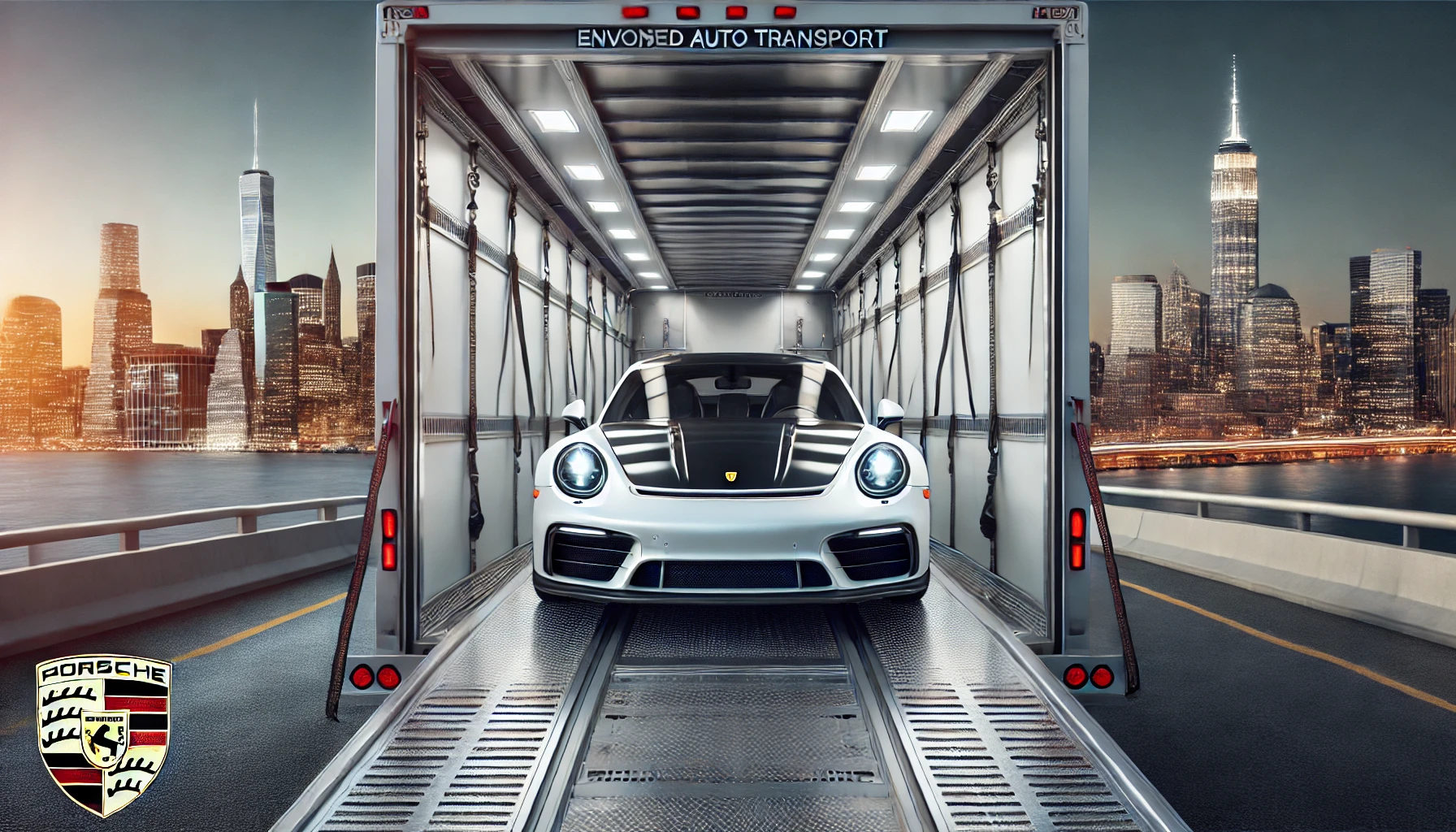
When you are shipping a high-value vehicle, the cheapest option is rarely the smartest one. A luxury car, exotic vehicle, classic automobile, collector car, or high-end SUV is not just another unit moving from point A to point B. It is an asset. In many cases, it is also an investment, a passion purchase, or a vehicle with emotional value that cannot be easily replaced.
That is exactly why enclosed auto transport exists.
Enclosed car shipping is widely considered the best option for protecting high-value vehicles during transit because it offers a higher level of security, better protection from outside elements, and more careful handling from pickup to delivery. While open transport works well for standard daily-use vehicles, enclosed transport is built for owners who cannot afford unnecessary risk.
In this guide, we will break down what enclosed auto transport is, why it matters for expensive vehicles, who should use it, and when paying more for added protection makes complete sense.
What Is Enclosed Auto Transport?
Enclosed auto transport is a shipping method where a vehicle is moved inside a fully covered trailer instead of on an open carrier. Rather than being exposed to weather, road debris, dust, and outside conditions, the car stays protected inside the trailer for the entire trip.
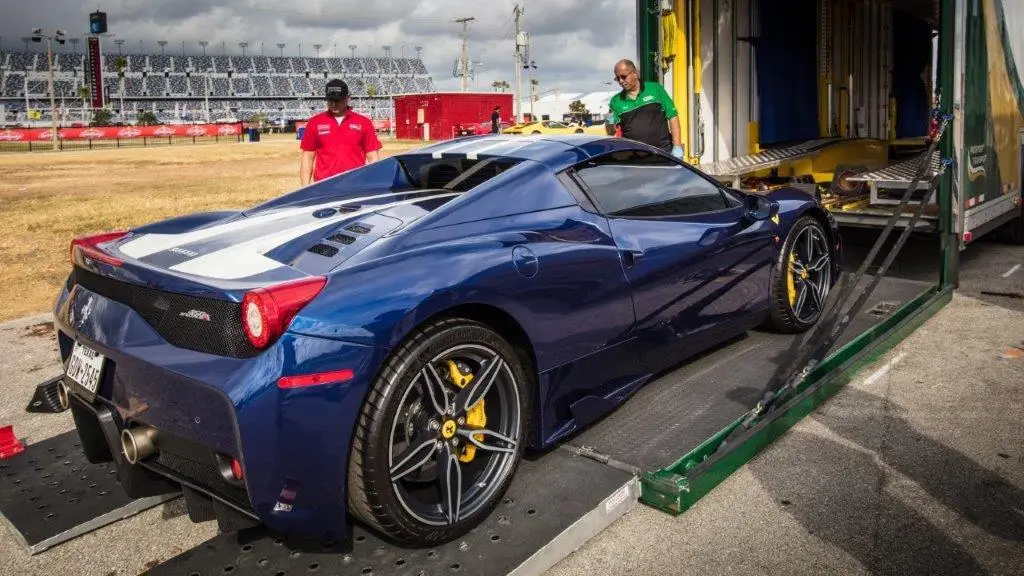
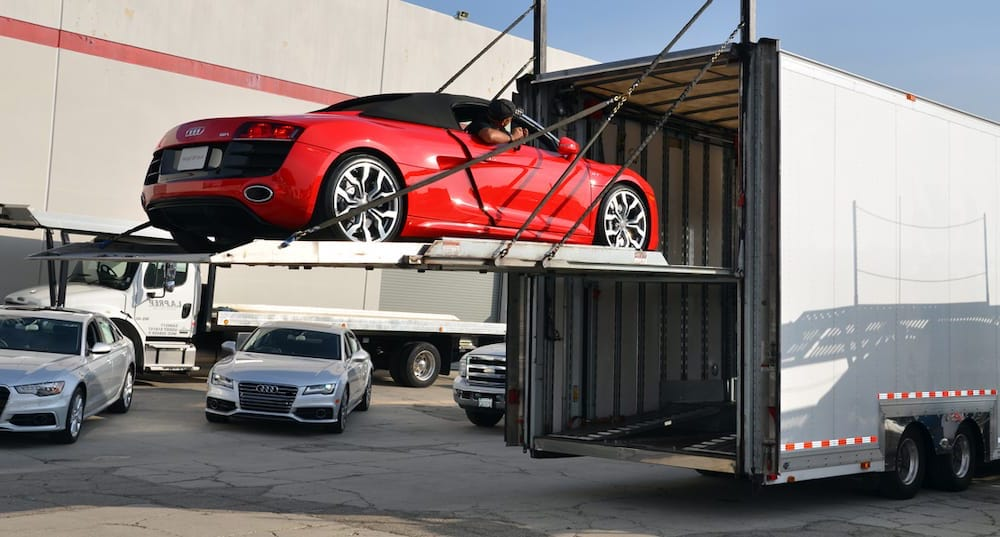
These trailers are designed to transport vehicles that require more care than the average shipment. Many enclosed carriers also use specialized equipment such as lift gates, soft tie-downs, and low-clearance loading methods to help protect vehicles with delicate paint, low ground clearance, custom parts, or premium finishes.
In simple terms, enclosed transport creates a more controlled and protected environment for the car during shipping.
Why High-Value Vehicles Need More Protection
A high-value vehicle comes with higher stakes. The more valuable the car, the less room there is for preventable damage, avoidable exposure, or careless handling.
That is the issue many owners overlook.
Open transport may save money upfront, but it exposes the vehicle to risks that may be acceptable for a standard commuter car and unacceptable for a six-figure luxury vehicle or rare collector car. Even minor cosmetic damage can become expensive when you are dealing with specialty paint, custom wheels, carbon fiber parts, or limited-production body panels.
For owners of premium vehicles, the goal is not just to get the car delivered. The goal is to get it delivered in the same condition it left.
Enclosed transport helps make that happen.
Top Benefits of Enclosed Auto Transport
1. Protection From Weather
Rain, snow, ice, wind, direct sunlight, and temperature shifts can all affect a vehicle in transit. While most cars can tolerate normal exposure on an open trailer, high-end vehicles often deserve a higher standard of care.
With enclosed shipping, the vehicle stays covered from the elements during the journey. That added protection is especially valuable for:
- Exotic cars with specialty paint
- Classic vehicles with older finishes
- Luxury cars with delicate exterior detailing
- Collector vehicles heading to events or auctions
- Vehicles being shipped during winter or storm-prone seasons
Weather exposure may not always cause major damage, but when a vehicle is worth a substantial amount, even small risks are worth reducing.
2. Protection From Road Debris
One of the biggest advantages of enclosed transport is reduced exposure to rocks, dirt, road salt, gravel, tire debris, and other hazards that can hit a car while traveling on highways.
On an open trailer, vehicles are exposed to outside road conditions. That does not mean damage is common, but it does mean exposure is part of the process.
With enclosed transport, that risk is significantly reduced.
If your vehicle has a flawless finish, ceramic coating, custom wrap, show-level paint job, or recently completed restoration, this matters.
3. Greater Privacy and Security
High-value vehicles attract attention. That is not always a good thing during transport.
An enclosed trailer offers more privacy because the vehicle is not openly visible to everyone on the road, at rest stops, or during loading and unloading. This reduces unnecessary attention and adds a layer of discretion that many luxury and collector car owners appreciate.
For owners shipping vehicles such as Ferraris, Lamborghinis, McLarens, Bentleys, rare classics, show cars, custom builds, high-end EVs, or auction purchases, privacy is not just a preference. It is part of risk management.
4. Specialized Handling
Enclosed transport is often used by carriers who are experienced with high-value vehicles and understand the extra care these shipments require.
That usually means more attention during:
- Loading
- Securing the vehicle
- Route planning
- Delivery coordination
- Inspection at pickup and delivery
Many enclosed carriers use soft straps instead of chains and may offer lift gate service for low-clearance vehicles. That is a major benefit for sports cars, lowered vehicles, and rare classics that can be damaged by steep ramps or careless loading angles.
If a vehicle sits low to the ground, has custom bodywork, or cannot risk undercarriage scraping, enclosed shipping is often the safer move.
5. Better Fit for Collector and Show Vehicles
Some vehicles are not driven every day. They are preserved, displayed, judged, or held as investments. Those vehicles need more than transportation. They need handling that respects their condition and value.
Enclosed transport is ideal for:
- Classic cars
- Antique vehicles
- Concours-level restorations
- Auction vehicles
- Museum cars
- Collector inventory
- Show cars traveling to events
When originality, presentation, and condition affect value, enclosed transport becomes less of a luxury and more of a practical decision.
Which Vehicles Should Use Enclosed Transport?
Not every car needs enclosed shipping. But many vehicles should seriously be considered for it.
Enclosed auto transport is often the best option for the following types of vehicles.
Luxury Vehicles
Brands like Mercedes-Benz, BMW, Porsche, Audi, Lexus, Bentley, Rolls-Royce, Maserati, and similar premium vehicles often benefit from extra protection, especially when the model is newer, rare, or high trim.
Exotic and Supercars
Ferrari, Lamborghini, McLaren, Aston Martin, Lotus, and other exotic cars are prime candidates for enclosed shipping due to their value, low clearance, and specialized finishes.
Classic and Antique Cars
Older vehicles may have fragile trim, aged paint, rare parts, or restoration work that makes outside exposure and rough handling a bad idea.
Collector Cars
If the car is rare, limited production, historically significant, or investment-grade, enclosed transport is usually the right call.
Custom and Modified Vehicles
Cars with aftermarket wheels, body kits, air suspension, wraps, specialty paint, or performance modifications often need more careful loading and better protection during transit.
High-End EVs
Certain premium electric vehicles with high value, performance trim, or custom finishes may also make more sense on an enclosed carrier.
The rule is simple: if damage would be expensive, difficult to repair, or emotionally painful, enclosed shipping deserves serious consideration.
Enclosed vs. Open Auto Transport
The main difference between enclosed and open auto transport comes down to protection, not just price.
Open Transport
Open transport is the most common and cost-effective way to ship a car. It is efficient, widely available, and practical for standard sedans, SUVs, trucks, and everyday vehicles.
However, open transport leaves the vehicle exposed to:
- Weather
- Road debris
- Dust and dirt
- Public visibility
- Normal highway conditions
That exposure is acceptable for many regular vehicles. It is just not ideal for every shipment.
Enclosed Transport
Enclosed transport costs more, but it provides:
- Full or near-full protection from outside conditions
- Better privacy
- Lower exposure to debris
- More careful handling for premium vehicles
- Better equipment for delicate or low-clearance cars
If the vehicle is valuable enough, the additional cost is often minor compared with the cost of repairing paint, trim, or body damage.
Too many people focus only on transport price and ignore asset protection. That is backwards thinking.
If you are shipping a $100,000 car, trying to save a few hundred dollars by avoiding enclosed transport can be a weak decision.
Is Enclosed Auto Transport Worth the Higher Cost?
Usually, yes — for the right vehicle.
Enclosed shipping costs more than open transport because there is less trailer capacity, more specialized equipment, and a higher level of service involved. Fewer vehicles fit in an enclosed trailer, and the carriers offering this service are often handling more valuable cargo with tighter standards.
But the better question is not, “Does it cost more?”
The better question is, “What am I protecting?”
If the answer is a luxury car, restored classic, collector vehicle, rare sports car, high-dollar custom build, or car going to auction or a show, then enclosed transport is often a rational investment, not an unnecessary upgrade.
Paying more for better protection is smart when the downside risk is bigger than the savings.
When Enclosed Transport Makes the Most Sense
There are certain situations where enclosed shipping is especially worth it.
Long-Distance Moves
The longer the trip, the more exposure the vehicle would face on an open carrier. Cross-country routes make enclosed shipping more attractive for high-value vehicles.
Winter Shipping
Snow, salt, slush, and freezing conditions can make enclosed protection even more valuable.
Auction Purchases
If you just purchased a premium or collector vehicle at auction, enclosed transport helps protect that investment from the start.
Relocations for Luxury Vehicle Owners
If you are moving to another state and taking a high-end vehicle with you, enclosed transport reduces risk during an already stressful transition.
Show or Event Transport
A vehicle headed to a concours, exhibition, or collector event should arrive clean, protected, and presentation-ready.
Newly Restored Vehicles
A fresh restoration should not be exposed unnecessarily after the time and money already invested into the build.
What to Look for in an Enclosed Auto Transport Company
Not all enclosed shipping services are equal. If you are trusting someone with a valuable vehicle, you need to vet the company properly.
Here is what matters.
Experience With High-Value Vehicles
Ask whether the company regularly handles luxury, exotic, classic, or collector cars. You do not want a company learning on your vehicle.
Proper Insurance Coverage
Always verify insurance. Do not assume the coverage is enough. Ask questions and make sure the coverage matches the value of the car being shipped.
Equipment and Loading Method
For low-clearance or delicate vehicles, ask whether the carrier uses lift gates, soft tie-downs, or special loading procedures.
Communication and Inspection Process
A serious shipping provider should give clear updates, explain timing honestly, and document vehicle condition at pickup and delivery.
Real Reputation
Look beyond marketing claims. Check actual customer reviews, complaint patterns, and whether the company clearly understands premium shipments.
A weak broker can ruin a premium shipment. Fancy wording means nothing if the process breaks under pressure.
Tips Before Shipping a High-Value Vehicle
Before handing over the vehicle, take a few smart steps:
- Wash the vehicle so the condition is easy to inspect
- Take detailed photos from all angles
- Document any existing scratches, chips, or imperfections
- Remove personal items
- Confirm pickup and delivery details in writing
- Verify insurance and carrier information
- Ask about loading procedures if the car is low or modified
These are basic steps, but they matter more when the vehicle is valuable.
Common Misconceptions About Enclosed Transport“It’s Only for Exotic Cars”
Wrong. Enclosed transport is also a smart option for classics, luxury vehicles, collector cars, and custom builds.
“Open Transport Is Always Fine”
Not for every vehicle. Fine for a standard daily driver does not mean fine for a six-figure asset.
“The Extra Cost Isn’t Worth It”
That depends on the value of the car and the cost of potential damage. For high-end vehicles, the math often favors enclosed shipping.
“All Enclosed Carriers Offer the Same Service”
They do not. Equipment, insurance, experience, and communication vary a lot.
