

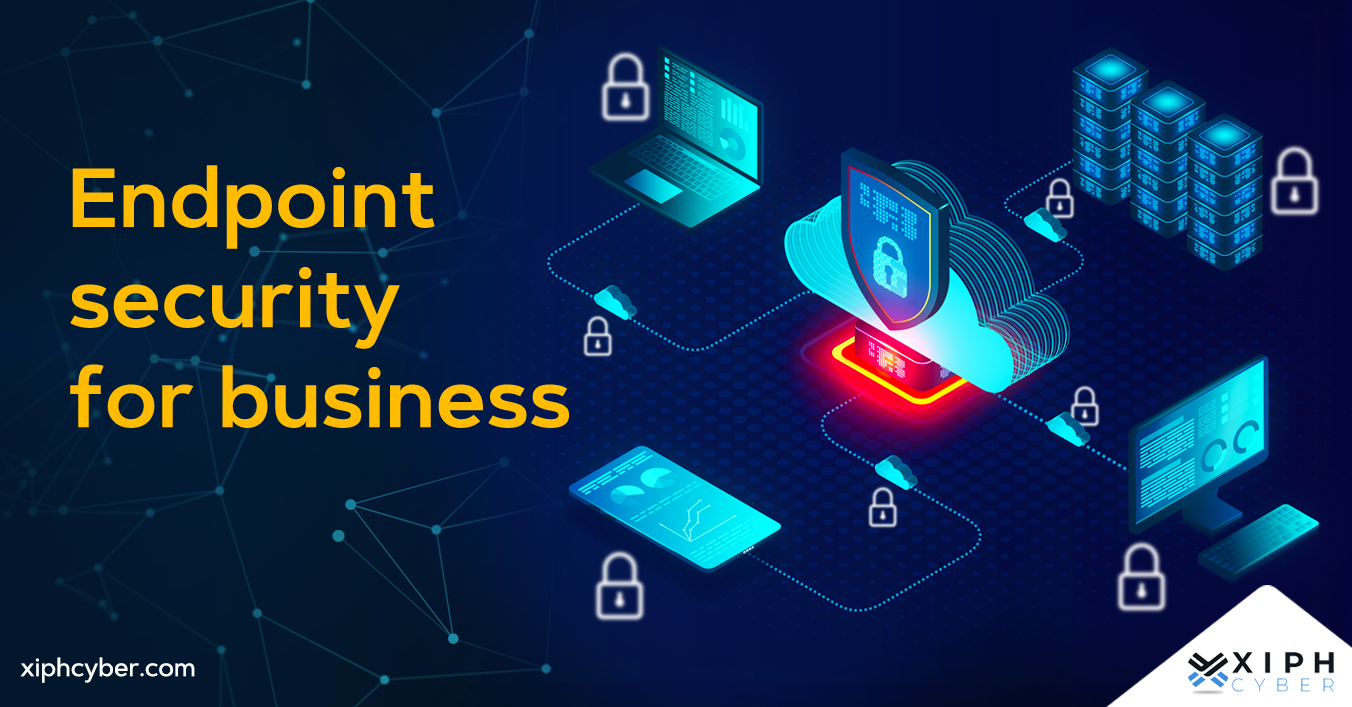
The shift to hybrid work has permanently changed the way organizations manage their technology. Employees now connect to company resources from kitchen tables, co-working spaces, coffee shops, and corporate offices — sometimes all within the same week. Each of those connection points represents an endpoint, and every endpoint is a potential entry point for attackers. For IT decision-makers, keeping those endpoints secure without crippling productivity has become one of the defining operational challenges of this decade.
The core difficulty is that traditional perimeter-based security was never designed for this reality. When the network edge extended only to the office walls, a firewall and some antivirus software could do reasonable work. Now, devices regularly operate outside any controlled perimeter, running on untrusted networks, mixing personal and professional usage, and connecting to cloud applications that may themselves be managed by third parties. Partnering with an experienced IT services team gives organizations access to the people and processes needed to extend security policies consistently across every endpoint, regardless of where that device physically sits.
Visibility is the first problem to solve. You cannot protect what you cannot see, and many mid-sized businesses are surprised to discover how many unmanaged or poorly inventoried devices are touching their environment. Mobile phones enrolled in a BYOD program, contractor laptops, smart printers, and IoT devices on the office network all qualify as endpoints. Modern endpoint detection and response tools, combined with mobile device management platforms, give security teams real-time telemetry on device health, patch status, and behavioral anomalies. Without that visibility layer in place, incident response becomes a guessing game.
Patch management deserves particular attention in a hybrid model. When devices stay outside the corporate network for extended periods, they often miss scheduled update windows. Attackers know this and actively target known vulnerabilities in widely used software. Automated patch management tools can push updates to remote devices without requiring them to connect through a VPN, which removes one of the most common excuses for delayed patching. Consistent patching alone eliminates a substantial percentage of the vulnerability surface that attackers exploit in the wild.
Zero-trust principles have moved from theory to practical necessity for organizations managing distributed workforces. The zero-trust model assumes that no device or user should be inherently trusted, even if they are already inside the network. Identity verification, device health checks, and least-privilege access controls work together to limit the blast radius of any single compromised credential or machine. Implementing zero-trust frameworks is not an overnight project, but organizations that treat it as a phased initiative rather than a monolithic deployment make steady, measurable progress. Working with a trusted cybersecurity services partner ensures that zero-trust architecture is designed and implemented in a way that fits the organization’s actual environment, not just a generic template.
User behavior remains a critical variable that technology alone cannot fully address. Phishing campaigns, social engineering, and credential theft continue to account for a large share of successful breaches. Security awareness training, paired with simulated phishing exercises, measurably reduces click rates on malicious content over time. The key is making training relevant and frequent rather than treating it as an annual compliance checkbox. Employees who understand why security policies exist are more likely to follow them, which reduces the risk of shadow IT and workarounds that create new exposure.
Ultimately, endpoint security in a hybrid environment is not a product you buy once — it is an ongoing operational discipline that requires consistent monitoring, regular review, and adaptation as the threat landscape evolves. Most mid-sized businesses do not have the internal resources to sustain that level of attention indefinitely. Working with a trusted managed IT services partner means having dedicated expertise monitoring your environment around the clock, so internal teams can focus on the work that drives the business forward. If your organization is ready to take endpoint security seriously in a hybrid work world, reach out to Hart Technology Solutions to start the conversation.
