

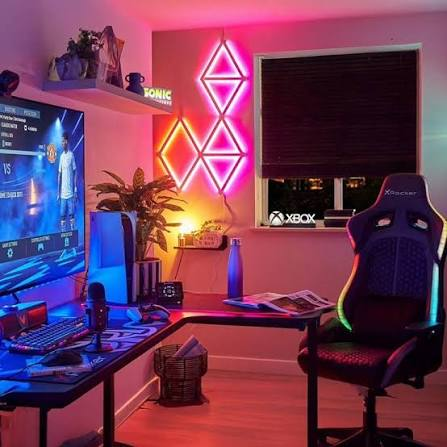
Stadiums full of fans screaming at a giant screen while five people sit perfectly still behind monitors. If you’ve never followed competitive gaming, that image probably looks strange. Yet millions tune in every weekend. This piece on esports for beginners is for anyone who’s curious but has no idea where to start.
You don’t need to be good at games to enjoy watching them. Plenty of fans of traditional sports have never kicked a ball at a professional level. The trick is knowing what you’re looking at.
What Counts as Esports
Esports simply means organised, competitive video sbobet with spectators, structure and usually prize money. Not every game becomes one. A title needs a few things to work as a spectator sport:
- A high skill ceiling, so top players look visibly better than everyone else.
- Clear win conditions that viewers can follow.
- Enough balance that no single strategy dominates forever.
- A publisher willing to support tournaments over the long run.
The most popular scenes cluster around a few genres: tactical shooters, MOBAs, fighting games, battle royales, sports simulations and real-time strategy. Each feels completely different to watch.
How Teams, Leagues and Tournaments Fit Together
This is where most newcomers get lost, so let’s keep it simple.
Teams and Organisations
Players sign with organisations, much like athletes sign with clubs. A single organisation often runs teams across several games, each with its own roster, coach and staff.
Leagues
Some games use franchised leagues, where teams hold permanent slots and play regular seasons. Think of it like a traditional sports league with fixtures and standings.
Open Circuits and Tournaments
Other games prefer open systems. Teams qualify through regional events, earn points, and fight their way into bigger international tournaments. Upsets happen, unknown squads rise fast, and that unpredictability is part of the fun.
Most scenes end their year with a world championship. Those events draw the biggest audiences and are a great entry point because the stakes are obvious even to first-timers.
Where the Money Comes From
Prize pools grab headlines, and they’re usually the first thing people ask about. They’re only part of the picture, though. Organisations earn mostly through sponsorships, merchandise, content creation and, in some leagues, revenue sharing with the publisher. Tournament organisers rely on sponsors, broadcasting deals and ticket sales.
Players earn salaries from their teams plus a share of winnings. At the top, that can be a very good living. Below the top tier, it’s often modest and uncertain, which is worth remembering before anyone romanticises the pro dream.
How to Start Watching Without Getting Lost
A few habits make your first broadcasts far more enjoyable:
- Pick one game you’ve at least played a little. Knowing the basics makes everything click faster.
- Watch a big event, not a random qualifier. Production quality and casting are better, and storylines are clearer.
- Listen to the casters. Commentators explain strategies, rivalries and key moments as they happen.
- Catch the highlights first. Short recap videos teach you what exciting plays look like.
- Choose a team to root for. Even a random pick gives you emotional stakes, and that’s when watching turns into fandom.
Don’t worry if the first match feels chaotic. Mine did. I remember watching a MOBA final and having no clue why the crowd exploded over what looked like a minor skirmish. Two weeks later, I was the one yelling.
Picking a Scene to Follow
Each scene has its own personality. Fighting game events feel grassroots and community-driven, with players who started in local meetups. Tactical shooter tournaments are tense and methodical, often decided by a single round. MOBAs reward patience with long strategic arcs. Battle royale events are pure chaos with dozens of teams in one lobby.
A common mistake in esports for beginners is forcing yourself to follow the most popular slot just because everyone talks about it. Popularity doesn’t matter here. What matters is whether the action makes sense to you and keeps you curious about the next match.
Try a couple. You’ll know which one fits when you find yourself checking match schedules without being reminded.
FAQ
Where can I watch esports for free?
Most major tournaments stream for free on popular streaming platforms and video sites. Official league channels usually post full matches and highlights afterward too.
Do I need to play a game to enjoy its esports?
No, but basic familiarity helps a lot. Even a few hours of casual play makes the strategy and big moments much easier to appreciate.
How long does an esports match last?
It depends on the game. Fighting game sets can wrap up in minutes, while MOBA and tactical shooter series often run one to three hours.
Esports for beginners boils down to this: pick a game, pick a team, and give it a few weekends. Stories, rivalries and favourite players build up faster than you’d expect. Before long, you’ll be the friend explaining it to someone else.
