

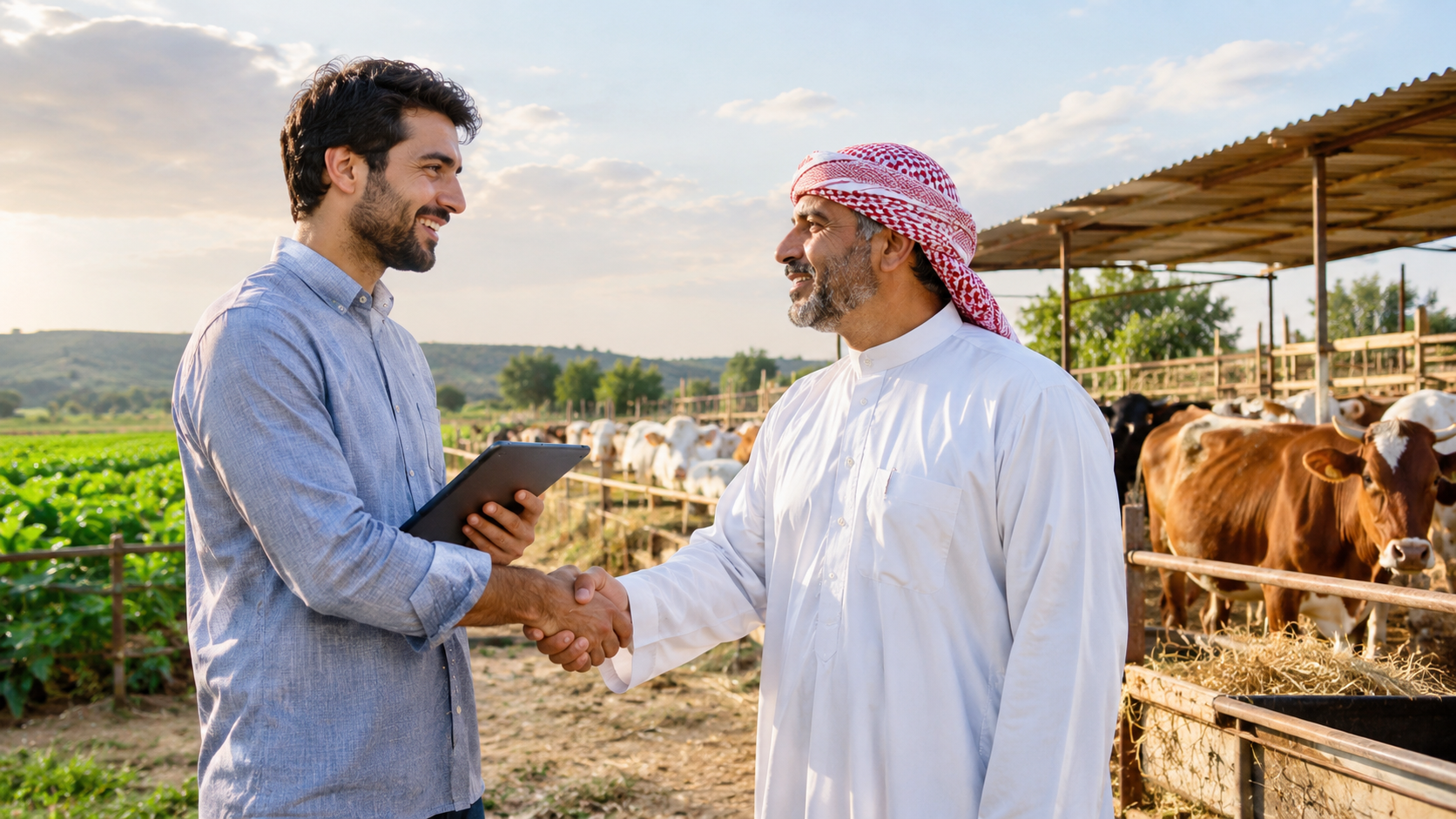
Agriculture has always played an important role in the global economy, but the way people participate in farming is changing. Traditionally, investing in agriculture often meant owning land, operating a farm, or having direct relationships with agricultural businesses. Today, structured farm-sharing arrangements are creating additional ways for individuals to participate in agricultural activities without managing daily operations themselves.
For investors interested in values-based finance, these arrangements can be particularly interesting when they emphasize real assets, transparent agreements, and fair distribution of profits. However, understanding how the model works is essential before committing money.
What Is Farm Sharing?
Farm sharing is a model in which investors and agricultural operators participate in a shared farming arrangement. Rather than purchasing and managing an entire farm independently, an investor contributes capital toward an agreed agricultural activity. Farmers or professional operators handle the practical work, while financial outcomes are distributed according to the arrangement.
The underlying activity might involve livestock production, crop cultivation, or another agricultural enterprise. Each model has different operating costs, production timelines, and risks.
A well-structured arrangement should clearly explain what the investment supports, who manages the agricultural activity, how ownership or participation is documented, and how profits or losses are handled. These details help distinguish a genuine asset-based partnership from an investment opportunity that simply uses farming as a marketing theme.
Understanding Sharia-Compliant Farm Sharing
Islamic finance places importance on ethical transactions, transparency, and avoiding prohibited forms of income. In agricultural investment, one possible structure is Mudarabah, a partnership arrangement in which one party provides capital and another contributes management or expertise.
Under an appropriately structured Mudarabah agreement, profits are shared according to a ratio agreed upon in advance. The distribution should relate to actual profits rather than a guaranteed fixed return. The treatment of financial losses and the responsibilities of each party must also be clearly established.
People exploring Sharia compliant farm sharing should look beyond the label and examine the underlying agreement. Important questions include whether the agricultural activity is genuine, how funds are used, how profit calculations are determined, and whether the structure has been reviewed by qualified Sharia scholars.
Sharia compliance is not established simply because an investment involves livestock or other physical assets. Contract terms, business practices, risk allocation, and the nature of the underlying activity all matter.
Why Real Agricultural Assets Matter
One attraction of farm-based investment is its connection to productive economic activity. Livestock, for example, requires feeding, housing, veterinary attention, transport, and appropriate management. Its value and commercial outcome depend on several factors throughout the production cycle.
An asset-based model should provide a clear explanation of what investors are participating in. For livestock arrangements, useful information may include:
- The type and number of animals allocated to the investment.
- How animals are identified and tracked.
- Where and by whom they are managed.
- The expected duration of the production cycle.
- How operating expenses and sale proceeds are recorded.
- How the final profit distribution is calculated.
Traceability is particularly relevant because it helps connect the investment arrangement with identifiable agricultural assets. However, documentation and tracking do not remove the possibility of disease, market-price changes, operational difficulties, or other losses.
The Importance of Ethical Farm Sharing
Ethical investing involves more than choosing an industry that appears socially beneficial. It also requires considering how participants are treated and whether the business operates responsibly.
In agriculture, this can include fair relationships between farmers and investors, appropriate animal welfare practices, honest reporting, and realistic communication about financial outcomes.
Ethical farm sharing can provide a useful framework for discussing how capital and agricultural expertise work together. The strongest arrangements make responsibilities understandable to everyone involved rather than leaving important decisions unclear.
Investors should also consider the people doing the agricultural work. Farmers contribute practical knowledge, time, and operational experience. A fair partnership recognizes these contributions and establishes a transparent method for sharing the results.
What Investors Should Review Before Participating

Even when an agricultural investment has a clear asset base, it remains a financial commitment with uncertainty. Farm production can be affected by weather, animal health, feed costs, transport expenses, regulatory requirements, and changing market demand.
Before participating, prospective investors should review several areas.
The agreement: Read the complete contract and understand the rights and obligations of each party. Pay particular attention to profit-sharing calculations, loss allocation, fees, and termination conditions.
Asset identification: Find out how the livestock or other agricultural assets are identified, recorded, and monitored.
Management arrangements: Understand who manages the farm, what qualifications or experience are relevant, and how operational decisions are made.
Liquidity: Agricultural investments may not offer immediate access to capital. Check when settlements occur, whether withdrawals are possible, and what conditions apply.
Reporting: Ask how investors receive updates about operations, expenses, asset status, and completed sales.
Independent advice: Consider obtaining financial and legal advice, along with guidance from a qualified Islamic finance scholar when Sharia compliance is important to the decision.
Building a More Informed Approach to Agricultural Investment
Farm sharing can connect financial participation with real agricultural production, offering an alternative to investment models based entirely on financial instruments. Its appeal lies in the possibility of combining productive assets, specialist management, and agreed profit-sharing arrangements.
Nevertheless, no agricultural investment should be treated as risk-free. Prospective participants need to understand the underlying business, verify the relevant documentation, and assess whether the investment period and potential risks suit their circumstances.
Ultimately, responsible farm sharing depends on transparency and fairness at every stage. When investors understand the assets, farmers understand their responsibilities, and the agreement explains how financial outcomes are determined, agricultural partnerships can be approached with greater clarity and confidence.
