

Every car enthusiast knows the sinking feeling of hearing an unusual engine noise or noticing a subtle performance drop, only to be told that diagnosing the problem requires hours of labor-intensive disassembly. Pulling apart cylinder heads, removing intake manifolds, or dropping oil pans just to get a visual on a suspected issue can cost hundreds or even thousands of dollars—sometimes revealing nothing wrong at all. This frustrating cycle of guesswork and expensive teardowns has long been the reality of engine diagnostics.
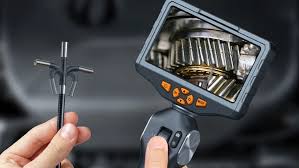
Enter the borescope: a compact inspection tool that lets you peer inside your engine’s most inaccessible spaces without removing a single bolt. By threading a tiny camera through spark plug holes, intake ports, or oil filler openings, you gain real-time visual access to cylinders, valves, and passages that would otherwise remain hidden. Whether you’re tracking down the source of a misfire, checking for carbon buildup, or evaluating a used engine before purchase, the right borescope transforms complex diagnostics into a straightforward process. This guide will walk you through selecting the best borescope for engine inspections and show you how to use it effectively, helping you save significant time and money while keeping your engine’s health in clear view.
Understanding Borescopes and Non-Invasive Engine Inspection
A borescope is essentially an optical inspection instrument designed to view areas that are otherwise impossible to see without disassembly. The technology traces back to rigid optical tubes used in medical and industrial applications during the early 20th century. These early devices relied on a series of lenses and mirrors to transmit images from the tip to an eyepiece. Today’s video borescopes have evolved dramatically, incorporating miniature CMOS camera sensors, flexible insertion tubes, and high-definition digital displays that deliver crystal-clear imagery in real time.
The principle behind non-invasive inspection is simple yet powerful: gain visual confirmation of internal conditions without altering the system being examined. For engines, this means threading a thin camera probe through existing openings—spark plug ports, oil drain passages, intake runners, or even exhaust ports—to observe cylinder walls, piston crowns, valve seats, and combustion chambers directly. Rather than speculating about the cause of a knock, misfire, or oil consumption issue, you can see scoring, carbon deposits, valve damage, or coolant intrusion firsthand.
The benefits extend beyond simple diagnosis. By avoiding unnecessary teardowns, you eliminate the risk of introducing new problems during reassembly, such as damaged gaskets or improperly torqued fasteners. Downtime drops from days to minutes, and preventive maintenance becomes far more targeted—you service what actually needs attention rather than following a worst-case assumption. Two primary borescope types serve automotive applications: rigid borescopes, which offer superior optics for straight-line access points, and flexible borescopes, which can navigate bends and curves within complex engine passages. Understanding your specific inspection needs will determine which type—or combination—best suits your workflow.
Key Features to Look for in the Best Borescope for Engines
Choosing the right borescope for engine inspection requires understanding which features directly impact your ability to identify problems accurately. Not every borescope on the market is suited for automotive work—engine environments demand specific capabilities that general-purpose models may lack. Here’s what matters most when evaluating your options.
Camera Quality and Resolution
The entire purpose of a borescope hinges on image clarity. When you’re trying to distinguish between normal carbon deposits and a hairline crack in a piston crown, or differentiate light cylinder glazing from dangerous scoring, resolution makes the difference between a confident diagnosis and a guess. Look for cameras offering at least 720p resolution, though 1080p or higher is preferable for detailed engine work. Equally important is the sensor’s ability to handle close-focus situations, since most engine inspections happen at distances of just a few millimeters from the surface being examined. A camera with poor close-focus capability will produce blurry images precisely when you need sharpness most.
Probe Flexibility, Length, and Diameter
Engine access points dictate probe requirements. Spark plug holes on most passenger vehicles accept probes up to about 5.5mm in diameter, making this a practical upper limit for cylinder inspections. Thinner probes (3.9mm or less) offer access through smaller ports but may sacrifice image quality or articulation capability. For most automotive applications, a probe length between 1 and 1.5 meters provides adequate reach without excessive slack that becomes difficult to manage. Flexible probes with articulating tips—those that allow you to steer the camera head in multiple directions—dramatically improve your ability to inspect valve faces, cylinder walls at various angles, and areas around piston rings without repositioning the insertion point.
Lighting and Durability
Engine interiors are completely dark, making integrated illumination essential. Adjustable LED lighting at the probe tip allows you to control brightness based on surface reflectivity—polished aluminum pistons require less light than carbon-coated combustion chambers. Durability considerations include oil resistance, heat tolerance, and waterproofing. Your probe will encounter residual oil films, fuel residue, and potentially coolant. A borescope rated IP67 or higher ensures the probe survives these conditions without fogging or corrosion degrading performance over time.
Connectivity and Display Options
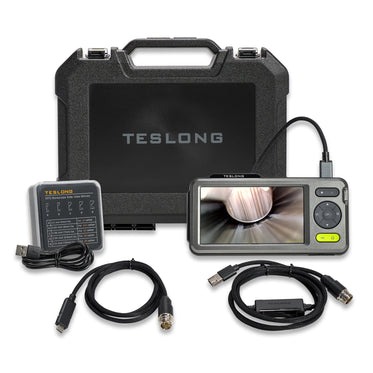
How you view and record inspection footage affects both convenience and documentation quality. Standalone units with built-in screens offer immediate, reliable viewing without depending on external devices—ideal for garage environments where phone screens wash out under bright lighting. Wi-Fi-enabled models that stream to smartphones or tablets provide larger viewing areas and easy sharing of images with customers or fellow enthusiasts. Wired USB models connecting to laptops offer the most stable signal with zero latency. Consider whether you need photo and video recording capability for before-and-after documentation or for seeking second opinions on ambiguous findings online.
Step-by-Step Guide to Non-Invasive Engine Inspection with a Borescope
Before inserting any probe into your engine, safety comes first. Ensure the engine is completely cool—not just warm to the touch, but genuinely cooled down for at least two hours after running. Hot combustion chambers can damage probe tips, and residual pressure in cooling systems poses burn risks. Disconnect the battery to prevent accidental cranking while a probe is inside a cylinder. Remove all spark plugs (not just the one you’re inspecting through) to relieve any compression that could resist probe insertion or cause unexpected piston movement if the engine rotates slightly.
Begin your inspection with the cylinders, as they reveal the most common issues. Thread your borescope probe through the spark plug hole slowly, advancing it until the piston crown comes into view. Rotate the articulating tip to scan the cylinder walls in a systematic pattern—start at twelve o’clock and sweep clockwise, examining the full circumference for vertical scoring, cross-hatch wear patterns, or unusual discoloration that suggests overheating. Tilt the camera upward to inspect the combustion chamber roof, checking for excessive carbon buildup around the valves and any signs of coolant weeping from head gasket areas, which typically appears as white or green crystalline deposits.
For valve inspection, angle the probe tip toward the intake and exhaust valve faces. Healthy valves show uniform coloring and smooth seating surfaces, while burned valves display irregular edges, pitting, or dark hot spots. Carbon deposits on intake valve stems are normal to a degree, but heavy buildup restricting airflow indicates a maintenance need. If your engine uses direct injection, expect more carbon on intake valves since fuel no longer washes over them.
To capture useful images, hold the probe steady and adjust LED brightness until surface details become clearly visible without glare washing out the image. Record video rather than relying solely on still photos—you can always extract frames later, and video captures context as you pan across surfaces. When interpreting findings, compare what you see against reference images of known-good engines of the same type. Light carbon coating on piston crowns is normal; heavy wet oil deposits suggest ring seal problems. Uniform light scratching on cylinder walls indicates normal wear, but deep gouges running vertically point to foreign object damage or failed ring lands. Document everything with timestamps and cylinder numbers so you can track changes over future inspection intervals and make informed decisions about when intervention becomes necessary.
Top Recommendations: Finding the Best Borescope for Your Needs
Selecting the best borescope for engine inspections ultimately depends on your experience level, frequency of use, and budget. The market spans from affordable entry-level options to professional-grade instruments, and understanding where each category excels helps you invest wisely rather than overspending on features you won’t use—or underspending on a tool that frustrates you into abandoning it.
For DIY enthusiasts performing occasional inspections on personal vehicles, entry-level USB borescopes with 5.5mm probes and 720p cameras provide surprisingly capable results. These models typically connect directly to a smartphone or laptop, keeping costs low by eliminating a dedicated screen. They work well for straightforward cylinder checks and carbon buildup assessments, though their fixed-direction camera tips limit your ability to inspect valve faces at steep angles. The trade-off is acceptable when you’re inspecting a known engine layout and can plan your probe insertion angle accordingly.
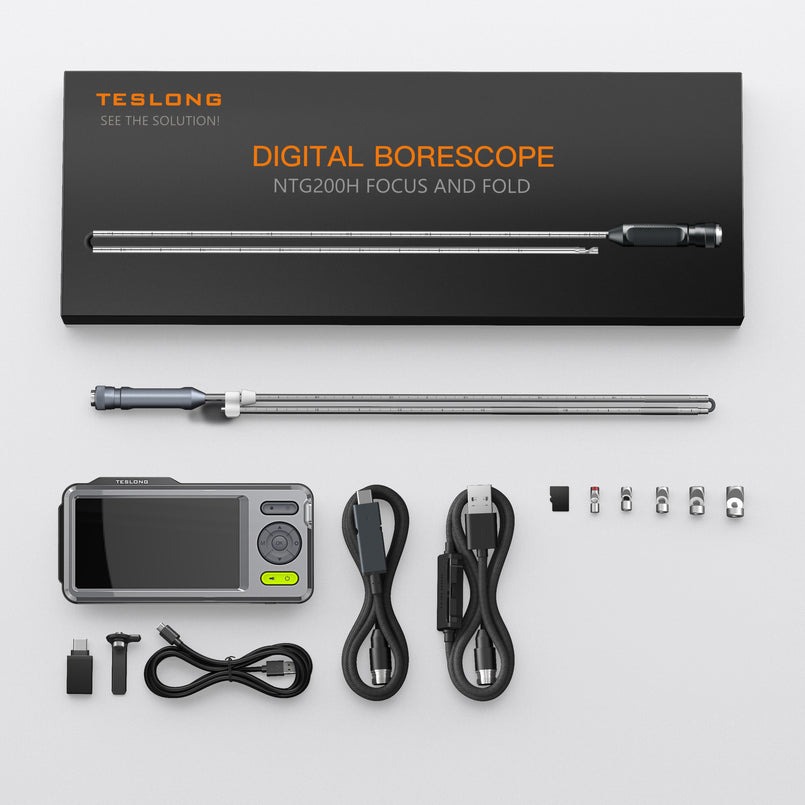
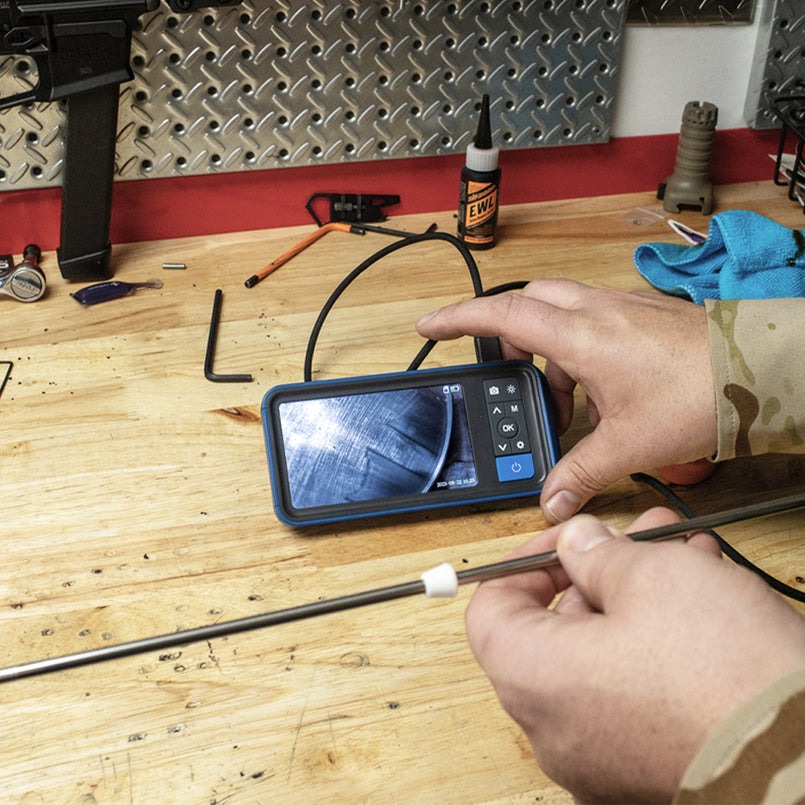
Mid-range models represent the sweet spot for serious enthusiasts and part-time mechanics who inspect engines regularly. Brands like Teslong offer articulating borescopes in this category with 1080p resolution, dual-direction steering probe tips, and standalone screens that function reliably in any lighting condition. The articulation capability transforms what you can see—suddenly valve margins, ring lands, and hard-to-reach combustion chamber corners become accessible from a single insertion point. Many mid-range options include both Wi-Fi streaming and built-in recording, giving you flexibility in how you document and share findings.

Professional-grade borescopes designed for shop environments offer four-way articulation, superior optical clarity approaching 4K resolution, and robust construction rated for thousands of inspection cycles. These instruments justify their higher cost through time savings when diagnosing multiple vehicles daily and through the confidence their image quality provides when making repair-or-replace decisions on expensive components. For mechanics billing diagnostic time, the ability to show a customer exactly what’s happening inside their engine builds trust and eliminates disputes about recommended repairs. Regardless of category, prioritize models with replaceable probe cables—this single feature extends the tool’s useful life dramatically, since probes inevitably suffer wear from repeated insertions through tight metal openings.
Choosing the Right Borescope to Protect Your Engine Investment
A borescope fundamentally changes how you approach engine diagnostics by replacing uncertainty with visual evidence. Instead of authorizing expensive teardowns based on educated guesses, you gain the ability to confirm or rule out suspected problems in minutes—whether that’s verifying cylinder wall condition, assessing valve health, or monitoring carbon buildup over time. The financial savings from avoided unnecessary disassembly often pay for the tool after a single use, and the peace of mind that comes from actually seeing your engine’s internal condition is invaluable.
Choosing the right borescope comes down to matching the tool to your specific situation. Consider how often you’ll use it, what access points your engine provides, and whether you need documentation capabilities for professional or personal records. Prioritize image quality and probe diameter compatibility with your vehicle’s spark plug holes, then let budget guide you toward the appropriate tier. Armed with the knowledge from this guide, you’re ready to select a borescope that fits your workflow and begin exploring your engine’s health with confidence. Start with a baseline inspection of a known-good engine, build your visual reference library, and you’ll quickly develop the eye needed to catch problems early—before they become costly repairs.
