

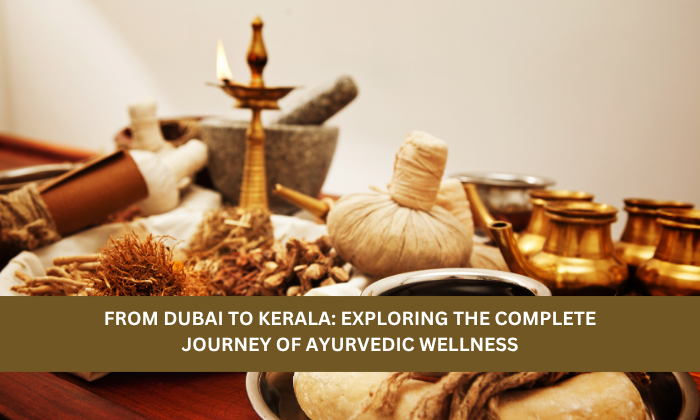
Wellness has become an increasingly important part of modern life. As people manage demanding careers, busy schedules and constant digital stimulation, many are looking for ways to create greater balance in their daily routines. This growing interest has also brought traditional wellness systems such as Ayurveda into greater focus.
Ayurveda is more than a collection of individual therapies. It is a traditional system of wellness that considers different aspects of a person’s lifestyle, including diet, daily routines, rest, movement and overall wellbeing. Its approach emphasizes individuality, recognizing that wellness recommendations should be adapted to a person’s constitution, circumstances and needs.
For some people, the journey begins with a professional consultation close to home. For others, it may eventually include a dedicated residential wellness experience in a place known for its Ayurvedic traditions. Dubai and Kerala offer two very different environments in which people can explore Ayurveda: one is a modern international city, while the other is closely associated with traditional Ayurvedic practices and residential wellness experiences.
Understanding how these experiences differ can help individuals make informed decisions about the type of Ayurvedic wellness approach that may suit their lifestyle and goals.
Understanding the Ayurvedic Approach to Wellness
A central principle of Ayurveda is the idea that each person is unique. Traditional Ayurvedic practices consider an individual’s constitution, lifestyle, dietary habits, environment and other personal factors when developing wellness recommendations.
Rather than following a universal routine, Ayurveda encourages a personalized approach. Diet, daily habits, physical activity, rest and traditional therapies can be considered together as part of an individual’s overall wellness plan.
This holistic perspective is particularly relevant to people who want to look beyond isolated aspects of their lifestyle. For example, someone experiencing a demanding work routine may need to consider not only what they eat, but also their sleep patterns, physical activity, stress levels and daily schedule.
Professional guidance is an important part of this process. An Ayurvedic practitioner can assess an individual’s requirements and recommend practices or therapies that are appropriate for their circumstances. This is especially important when considering more intensive traditional therapies, which should not be approached as generic treatments.
Ultimately, Ayurveda wellness is about developing greater awareness of how everyday habits can influence overall wellbeing and creating routines that are realistic enough to maintain over time.
Ayurveda in a Modern City Like Dubai
Dubai is a fast-moving international city where professional and personal responsibilities can create demanding schedules. Long working hours, business travel, irregular meals and limited opportunities for rest can make it difficult for people to maintain consistent wellness routines.
For people living in an urban environment, access to professional Ayurvedic consultations can make it easier to explore traditional wellness principles without significantly disrupting everyday responsibilities.
A consultation can provide an opportunity to discuss lifestyle patterns, personal concerns and wellness goals with a qualified practitioner. Depending on the individual’s requirements, recommendations may involve dietary habits, daily routines, relaxation practices, movement or traditional Ayurvedic therapies.
For those based in the UAE, Dr. Shyam Ayurveda Dubai provides an opportunity to explore traditional Ayurvedic care while remaining within a modern urban setting.
The convenience of a city-based consultation can be particularly useful for people who want ongoing professional guidance. Regular appointments can fit more easily around work and family commitments, allowing individuals to incorporate recommendations gradually into their everyday lifestyle.
Ayurveda in an urban setting does not necessarily mean following an intensive program. In many cases, the emphasis can simply be on understanding personal wellness needs and making practical changes that are easier to maintain alongside a busy schedule.
Why Kerala Has a Special Place in Ayurveda
Kerala has a long-standing association with Ayurveda and is widely recognized for its traditional Ayurvedic heritage. The region has become an important destination for people interested in experiencing Ayurveda in an environment closely connected with its traditional practices.
The appeal of Kerala extends beyond its Ayurvedic heritage. Its natural surroundings, slower pace and variety of residential wellness facilities can create an environment where visitors can temporarily step away from their usual routines.
Traditional Ayurvedic experiences in Kerala may include oil-based therapies, personalized wellness programs, yoga, dietary practices and Panchakarma-related programs. The exact therapies and schedule depend on the facility and the individual’s assessment.
The residential setting can also make the experience different from a standard clinic appointment. Instead of attending an appointment and immediately returning to work or other responsibilities, guests can dedicate a period of time to rest, structured routines and wellness activities.
However, the popularity of Ayurveda in Kerala means that people should still take care when selecting a facility. Practitioner qualifications, treatment protocols, hygiene, transparency and personalization are important factors to consider when choosing a wellness program.
The Experience of Staying at an Ayurveda Resort in Kerala
A residential Ayurvedic program provides an opportunity to temporarily remove some of the distractions associated with everyday life. Instead of fitting wellness activities around a busy schedule, guests can follow a structured routine designed around relaxation and traditional Ayurvedic practices.
A typical residential experience may combine several elements. Ayurvedic therapies can form one part of the program, while traditional food, yoga, meditation, rest and lifestyle guidance may provide additional support for the overall experience.
The dietary component can also be an important part of a retreat. Meals may be planned according to the philosophy and recommendations of the program, providing guests with an opportunity to experience food as part of a broader wellness routine.
Yoga and meditation can complement the experience by creating dedicated time for movement, breathing, relaxation and mental focus.
For those looking for an immersive traditional experience, Back to Roots Ayurveda Kerala combines Ayurvedic therapies with a peaceful residential environment designed around wellness and rejuvenation.
The value of a residential program is not simply the number of therapies included. A thoughtfully designed retreat should provide an integrated experience in which accommodation, food, therapies, rest and professional guidance work together according to the guest’s individual needs.
Can Dubai and Kerala Ayurveda Experiences Complement Each Other?
For some people, Ayurvedic wellness can be viewed as a journey rather than a single appointment or retreat. A person might initially seek professional guidance in their home city and later decide to spend time at a residential wellness facility.
For example, an initial consultation can help an individual understand their personal wellness priorities. If they later choose a retreat, information about their lifestyle and preferences can help them communicate their expectations to the practitioners at the residential facility.
A dedicated retreat can then provide an opportunity to focus more closely on structured routines, traditional therapies, food, yoga and relaxation.
After returning home, the emphasis can shift toward maintaining practical habits. Sleep routines, balanced meals, regular movement and stress-management practices can become part of everyday life.
However, people do not necessarily need to use both clinic-based and residential services. Someone may find that ongoing local consultation is sufficient, while another person may prefer a short residential wellness stay. The right approach should be determined by individual needs rather than assuming that everyone requires the same journey.
What to Consider Before Choosing an Ayurvedic Wellness Program
Choosing an Ayurvedic wellness program requires more than comparing locations or accommodation photographs. The quality and suitability of the professional approach are equally important.
One of the first considerations should be the qualifications and experience of the practitioners. People should understand who will be responsible for consultations and therapies and whether the program involves proper individual assessment.
Treatment suitability is another important consideration. Traditional therapies should not simply be selected because they are popular. An appropriate practitioner should determine whether a particular therapy or program is suitable for the individual.
The duration of the program also matters. Some people may prefer a short wellness stay, while others may have the time and need for a longer structured program.
For residential facilities, accommodation, food, hygiene, privacy and daily schedules should also be considered. Transparency about what is included in the program can make it easier to set realistic expectations.
Individuals should also disclose relevant medical history and any medications they are taking to the appropriate practitioner. People with ongoing or serious health concerns should seek appropriate medical advice and should not replace necessary medical care with an alternative wellness program.
Most importantly, be cautious of programs that promise guaranteed results or claim to cure every condition. A responsible wellness provider should communicate clearly about what its services involve without making unrealistic promises.
Making Ayurveda Part of Everyday Life
An Ayurvedic wellness experience can be most useful when some of its practical lessons can be incorporated into everyday life.
A consistent sleep schedule is one example. Going to bed and waking up at relatively regular times can create greater structure within a daily routine.
Balanced and regular meals can also support a more organized lifestyle. Instead of making extreme dietary changes, individuals can focus on nutritious food choices and eating patterns that are practical for their circumstances.
Movement is another important component. Walking, stretching, yoga or other appropriate forms of physical activity can help counter the effects of spending long periods sitting at a desk.
Stress management can take many forms. Meditation, breathing exercises, time away from screens, outdoor activities and regular periods of relaxation may all help create space within a busy schedule.
The key is consistency. A wellness routine does not have to be complicated to be meaningful. Simple habits that fit naturally into everyday life are often easier to maintain than highly restrictive routines.
Where an individual has received personalized recommendations from an Ayurvedic practitioner, those recommendations should take priority over generic advice found online.
Conclusion
Ayurveda can be experienced in many different ways, depending on an individual’s lifestyle, goals and personal circumstances. For someone living in a busy city, professional Ayurvedic care can provide accessible guidance that fits around everyday responsibilities. For others, a residential stay can offer the opportunity to step away from familiar routines and experience a more immersive approach to wellness.
Dubai and Kerala represent two different environments for exploring Ayurveda. Dubai provides the convenience of professional consultations within a modern urban setting, while Kerala offers a strong connection with traditional Ayurvedic practices and residential wellness experiences.
Whether someone chooses a clinic, a retreat or simply incorporates selected wellness habits into daily life, the most important considerations are personalization, professional guidance and realistic expectations.
A thoughtful approach to Ayurveda is not about following a trend or searching for a single solution. It is about understanding individual needs, developing sustainable habits and creating space for greater balance in everyday life.
