


For most of the last century, the companion robot lived in fiction, a walking, talking foil for stories about what it means to be human. In the last decade, it moved from props to products. Today, a companion robot can sit on a desk, follow a person across a room, and respond when spoken to, and people buy them for reasons that have little to do with science fiction and everything to do with the texture of modern life.
The shift is not about robots becoming brilliant. It is about them becoming well-rounded enough to live with. Early examples were impressive on a stage and frustrating at home, because they performed tricks rather than shared space. The generation emerging now is designed for a different job, being present, being responsive, and being easy to keep. This article traces how that evolution happened, what it means for the people who buy these devices, and how to tell a durable companion from an expensive novelty.
How the Companion Robot Grew Up
The first wave of consumer robots behaved like performers. They could do a handful of impressive motions and repeat a few phrases, and they were judged on whether those motions and phrases landed in a crowd. The limitation was structural: performance is a script, and a script runs out. Once a buyer had seen the routine, there was nothing left to discover.
In those early years, the demos were the product. Manufacturers optimized for a thirty-second clip that could carry a trade show, and the devices were genuinely impressive on a stage. The problem showed up at home, where there was no audience and no short script to finish. Owners described the same arc: delight, repetition, boredom, dust. The category learned an expensive lesson, that a robot judged by its performance will always run out of performance eventually.
The turning point came with responsiveness. When robots could sense motion, track a face, and modify behavior based on context, they stopped performing and started participating. A companion robot built on that foundation does not need an audience; it needs a routine to fit into. It will greet a person returning home, follow a person moving through the kitchen, and settle into quiet when the room does. That shift, from showpiece to housemate, is the single biggest change in the category.
Behind it sits a quieter set of advances in battery life, quiet motors, and software updates that arrive after launch. None of these make a headline, but together they make a device liveable. A robot that needs constant charging, whirs loudly, or stops improving after the first month will not survive the novelty phase. The models that endure are the ones that quietly got better at being ordinary.
This is why the industry’s best work now happens far from the spotlight. Engineers spend their time on how a robot coasts to a stop instead of jerking, how it lowers its volume when a room goes quiet, how it recovers after being knocked over. None of these details make a launch video, and all of them decide whether a device survives its first month in a real house. The maturity of the category is measured in these small courtesies, not in new tricks.
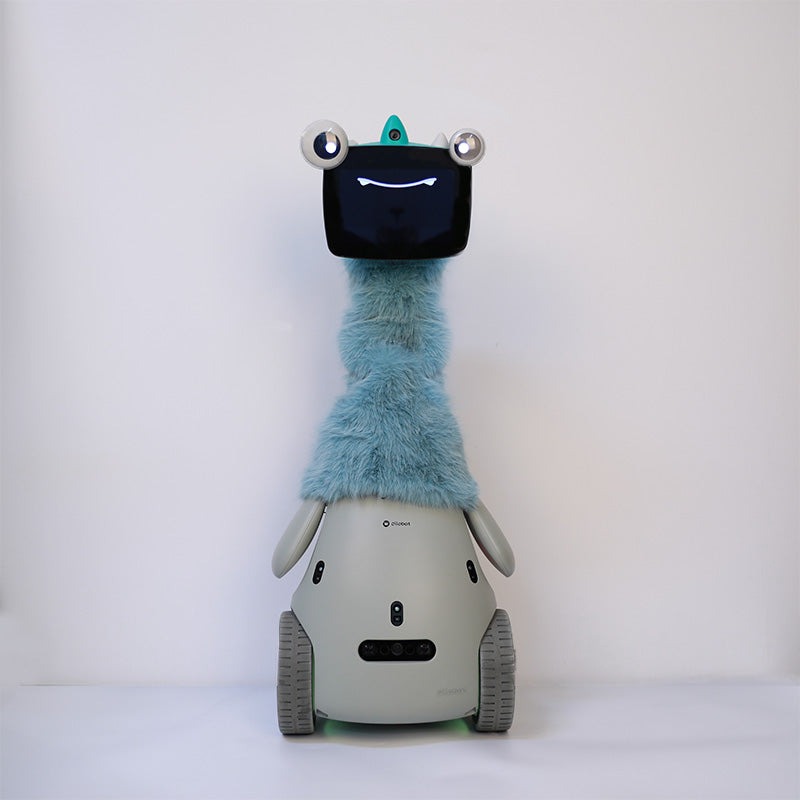
What a Companion Robot Actually Adds to a Home
The value of these devices is easy to overstate, so it is worth being concrete. They fill idle attention, which is a real function in homes where screens dominate every hour. They provide a reason to move and to speak, which matters for people who work alone or spend long stretches without company. And they introduce a small, manageable form of interaction that asks for care without creating burden.
They also function as a bridge for different kinds of households. In a home with children, they offer structured play and, with guidance, a gentle introduction to how machines sense and respond. In a home with older adults, they offer presence in the quiet hours without the obligations of a living pet. And in homes where remote work has blurred the line between office and living space, they mark the end of the day, a small ritual that signals the laptop can finally close.
What they do not do is replace the relationships these households already rely on, and any product that implies otherwise deserves skepticism. The honest framing treats a companion robot as a category of ambient presence, useful precisely because it demands so little and gives back its small measure consistently, day after day.
There is a generational dimension here that rarely makes the marketing copy. Households that grew up with screens often treat a physical, responsive object as a small luxury, something that breaks the flatness of a room filled with displays. Older owners tend to value the company itself, the sense of another presence in the space. Both groups describe satisfaction in nearly identical words, which suggests the appeal is not about a demographic trend but about a basic human preference for things that respond.
Reading the Signals of a Durable Design
Because the category is young, the difference between a device built to last and one built to impress is not always visible on a product page. A few signals help.
Look first at the software story. A manufacturer that ships regular updates, publishes what they change, and supports models for years is signaling that the device is a commitment rather than a launch. Look next at the physical details: accessible charging, replaceable parts, and a build that tolerates being picked up and moved, because a companion robot that cannot leave its shelf is not really a companion.
Then examine how the robot behaves under ordinary conditions rather than ideal ones. Does it recover gracefully when interrupted? Does it handle a person talking over it, or a noisy room, without freezing? Does its personality feel varied, or does every interaction look the same? These questions separate a device that will still be interesting after a month from one that will be dismissed after a week. Ollobot approaches its companion robots with this long-term view in mind, treating the relationship between owner and device as something that should grow quietly rather than peak at unboxing.
It is also worth noticing how a device handles the second month, when the owner has stopped paying close attention. Does it still initiate interaction, or does it wait passively to be noticed? Both behaviors can be valid, but they suit different households. A device that periodically reaches out works well for people who forget to engage; one that stays calm suits a room where quiet is the point. Know which kind of owner you are before you decide which kind of robot you want.
The Questions Buyers Should Ask Before Committing
Conversations about companion robots often skip straight to features, but the better questions are about fit. Where will the robot live, and does that space allow it to move freely or sit within sight? What does an ordinary Tuesday with it look like, and is that something you want? Who will keep it charged, and does the answer suggest the device will sit idle more often than not?
Ask too about the support path. Is there documentation, a warranty that covers motors and sensors, and a way to reach the company if something fails? A companion robot is a long-term relationship, and the second year often matters more than the first. Buyers who ask about sustainability upfront are rarely the ones surprised by a device that quietly stopped being supported.
Finally, consider the place of the device in the household’s story. A companion robot is not a milestone purchase the way a car or a major appliance is, but it is a small commitment all the same, one that asks to be lived with rather than admired. Approaching it with that framing, as a member of the room rather than a finished product to be evaluated, aligns expectations with what the category actually delivers. That shift in perspective is often the difference between a device that goes to the shelf and one that stays in the room for years.
A Companion Worth Keeping
The companion robot has crossed a threshold. It is no longer a demonstration of what is possible; it is a product category with real users, real routines, and real expectations. That maturity makes it easier to buy well. The devices worth keeping are the ones that behave gracefully in an ordinary room, welcome being moved, and improve with time, not the ones that peak in a promotional video.
If you are considering one, take the long view. Picture the device six months in, sitting quietly beside you on an uneventful evening. If that image feels right, you are choosing for the correct reason. A companion robot succeeds not when it astonishes, but when it becomes a small, steady part of the room that you would notice were missing.
