

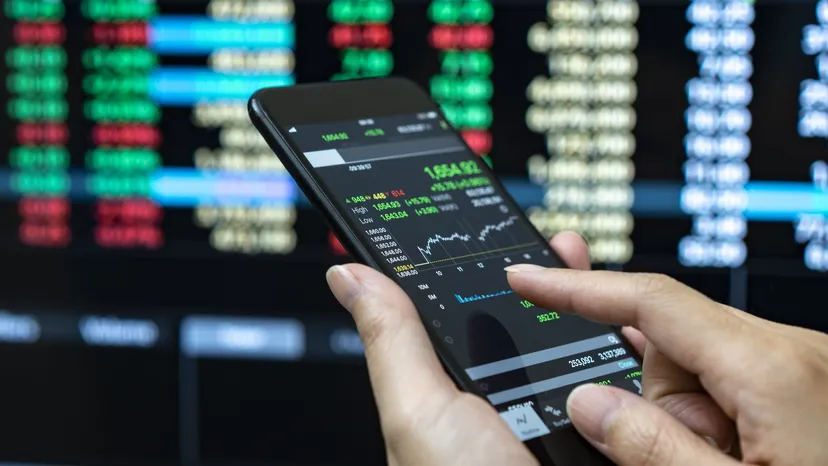
Not every hour of the trading day looks the same. Investor activity on trading apps tends to follow a recognisable pattern, rising sharply at the open, settling into a steadier rhythm through the middle of the day, and picking up again as the close approaches. Understanding how engagement shifts across these phases can help investors make better use of the tools and time available to them. This article looks at what typically happens at each stage of the trading day and why these patterns are worth paying attention to.
When the Market Opens
The opening session is usually the most active part of the day; investors who have been following overnight developments in global markets tend to monitor early on to see how domestic stocks are moving. Watchlists get reviewed over again, and early orders get placed. The stocks connected to recent announcements usually show the strongest shift.
Volatility also seems higher during this window. A ton of information comes in the market all at once, then prices adjust quickly because participants react. For investors using a fno trading app, the opening session is less about deliberate analysis and more about staying on top of fast-moving conditions.
Mid-Morning: When Research Takes Over
Once the initial activity settles, the pace of the trading day changes noticeably. Mid-morning is where many investors shift from reacting to thinking.
Charts get reviewed more carefully. Stocks get compared. Company-specific news gets read rather than skimmed. Investors who felt the urge to act immediately at the open often use this period to step back and evaluate whether those instincts were well-founded. Platform tools such as technical indicators, stock screeners, and research reports tend to be used more heavily during this phase than at any other point in the day.
The Afternoon Hours: More Monitoring, Less Trading
The middle hours of the trading day tend to be quieter. For many investors, the afternoon is less about placing new trades and more about watching how existing positions are performing.
Portfolio tracking becomes the primary activity. Investors check whether their holdings are moving in line with broader market trends, follow sector-level developments, and read up on news that could affect positions held overnight. Long-term investors in particular find this period useful for assessing whether current holdings still fit their broader goals, without the pressure of rapid price movements pushing them toward quick decisions.
The Final Hour: Activity Picks Up Again
As the market approaches close, engagement tends to rise again. Traders review open positions and decide whether to carry them into the next session or exit before the day ends. Stocks can see sharper movements during this window as institutional participants complete larger orders near the close.
For retail investors on a stocks app, the final hour often involves checking daily performance, setting alerts for stocks to watch the following morning, and updating watchlists. The pace is not quite as intense as the opening session, but it requires similar attention. Prices can move quickly, and decisions made in this window carry through to the next trading day.
After the Market Closes
Many investors remain active on trading apps well after market hours end. The post-market period tends to be quieter but more reflective.
Without live prices to track, users shift toward reviewing how the day went. Portfolio performance gets looked at in full. Completed trades get assessed. Market summaries and analyst commentary get more attention than they might during trading hours. For investors building longer-term habits, this is often the most useful part of the day. It is easier to think clearly about strategy when markets are not moving.
What This Means for How Apps Are Used
Each phase of the trading day places different demands on a trading platform. The open requires fast, reliable access to live data. Mid-morning calls for research tools and analytical features. The afternoon is where portfolio tracking matters most. The close brings attention back to execution and position management.
Trading apps that bring all of these together in one place make it easier for investors to move through the day without switching between multiple sources. Real-time data, charting tools, research reports, watchlists, and portfolio features each have a natural moment in the trading day where they become most relevant.
Conclusion
Market volatility significantly affects investor behavior, often leading to emotional decision-making and shifts towards safer assets. Understanding behavioral patterns during these times can help investors respond effectively. A disciplined approach that includes diversification, regular portfolio reviews, and a long-term perspective can aid in navigating fluctuations. Instead of viewing volatility as merely a risk, it can be seen as an opportunity to reassess and strengthen investment strategies.
