

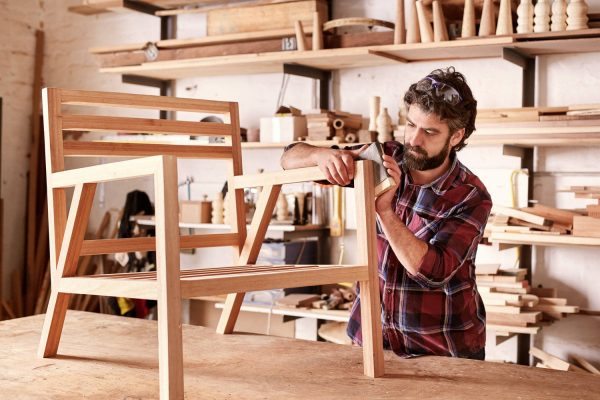
There is something satisfying about turning a stack of ordinary boards into a useful piece of furniture. A well-built table, bookshelf, workbench, or garden planter can last for years, but good results usually begin long before the first cut is made. Careful planning is what turns a promising woodworking idea into a project that is realistic, efficient, and enjoyable.
Whether you’re an experienced woodworker or someone setting up a workshop for the first time, the planning stage deserves more attention than it often gets. Choosing the right design, calculating materials, checking measurements, and preparing your tools can prevent expensive mistakes and make construction considerably smoother.
Choose a Project That Matches Your Skills
One of the easiest ways to make woodworking frustrating is to start with a project that is far beyond your current experience.
Beginners can develop useful skills through relatively simple projects such as:
- Wall shelves
- Storage crates
- Small stools
- Plant stands
- Simple benches
- Basic coffee tables
- Outdoor planters
These projects introduce fundamental techniques without requiring an extensive collection of specialized tools.
As confidence grows, you can move toward projects involving drawers, cabinets, mortise-and-tenon joints, tapered components, or more complicated furniture construction.
A good rule is to choose something that teaches you a new technique while still relying on skills you already understand.
Start With a Detailed Woodworking Plan
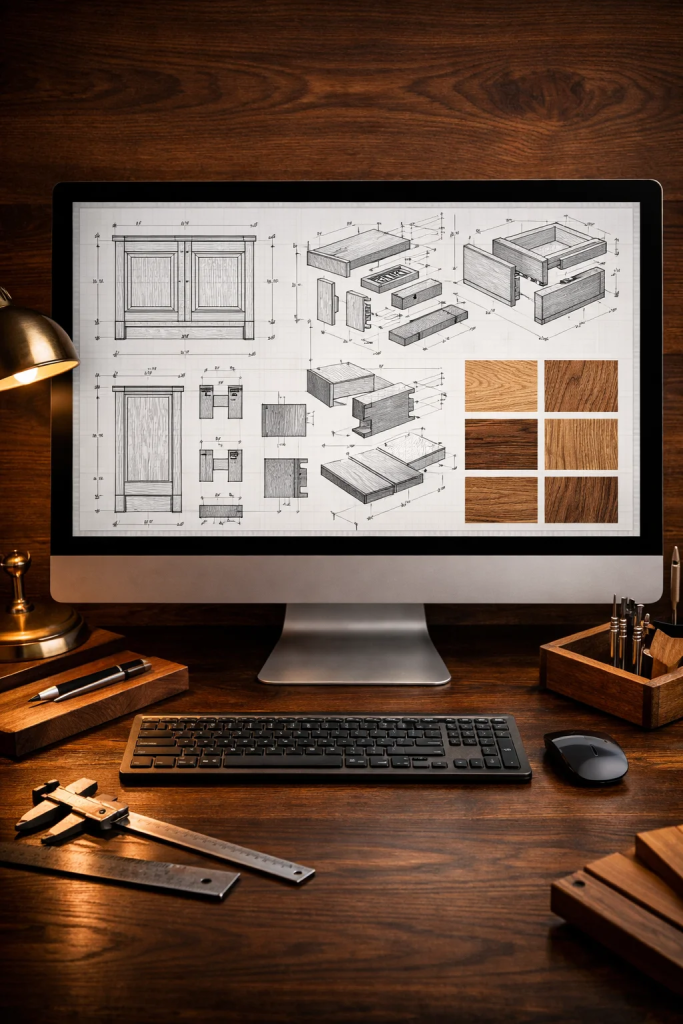
A drawing on a piece of paper may be enough for a very simple project, but more complicated builds benefit from detailed plans.
Before purchasing lumber, identify the overall dimensions and determine how each component fits together. A useful plan should give you enough information to create a cutting list and estimate the materials you’ll need.
For woodworkers looking for additional inspiration, Digitriser offers a broad collection of woodworking plans and project ideas covering furniture, outdoor builds, and practical DIY projects. Exploring different designs before committing to one can help you compare construction methods and find an approach that suits your workshop.
The goal isn’t to copy someone else’s project blindly. Instead, use plans as a starting point and adapt dimensions, materials, and finishing choices to your own requirements.
Create a Cutting List Before Buying Lumber
One of the simplest ways to improve a woodworking project is to prepare a complete cutting list.
Write down every component, its required dimensions, and the quantity needed. Then consider how those pieces can be arranged on your available boards.
This process is sometimes called a cut plan or cutting layout. It can help reduce waste and may even influence which board sizes you purchase.
Remember that lumber can contain knots, cracks, or areas of warping. Don’t assume that every inch of a board will be usable. Leaving some allowance for defects and trimming can save you from having to make an unexpected trip back to the lumber store.
Select Wood Based on the Project
Different types of wood behave differently, so material selection should depend on how the finished project will be used.
Pine and other softwoods are often suitable for beginner projects because they are relatively easy to cut and shape. They’re commonly used for shelving, workshop furniture, storage solutions, and straightforward outdoor projects when properly protected.
Hardwoods such as oak, maple, and walnut can provide excellent durability and attractive grain patterns. They are popular for furniture where appearance and longevity are priorities.
For outdoor projects, consider the wood’s resistance to moisture and weather. A suitable finish is also important because even naturally durable wood can benefit from protection against the elements.
Make Sure Your Tools Are Ready
A project plan should include more than materials. Think about the tools required before construction begins.
A basic woodworking setup might include:
- Measuring tape
- Combination square
- Clamps
- Hand saw
- Drill and drill bits
- Screwdrivers
- Sanding block or random orbital sander
- Chisels
- Workbench or sturdy work surface
Power tools can save time, but they aren’t automatically necessary for every project. Many excellent pieces can be built with a combination of hand tools and a few basic power tools.
Before starting, inspect your equipment and make sure blades and bits are appropriate for the material you’re working with.
Treat Measurements as a Critical Step
The phrase “measure twice, cut once” remains relevant because a small mistake can affect an entire project.
When marking boards, use a reliable square rather than relying solely on visual judgment. Mark the waste side of a cut clearly, especially when working on several similar pieces.
If a project requires multiple components of identical length, consider using a stop block or template. Producing consistent parts becomes much easier when you don’t have to measure every piece independently.
Also check the actual dimensions of your lumber. Nominal board sizes don’t always match their finished measurements.
Dry-Fit Before Final Assembly
One of the most useful habits in woodworking is performing a dry assembly.
Before applying glue or permanently fastening parts, put the components together without adhesive. This allows you to check whether joints align correctly and whether the overall dimensions make sense.
Dry-fitting is particularly valuable for larger furniture projects. Discovering a problem before glue is applied is much easier than trying to correct it afterward.
Clamps can also be positioned during the dry fit to make sure you have enough reach and that the assembly process is practical.
Give Sanding the Attention It Deserves
A project can be structurally excellent and still look unfinished if the surfaces aren’t properly prepared.
Start with a suitable grit for the condition of the wood and progress through finer grits as necessary. Avoid pressing too hard with a power sander, as this can create uneven surfaces or unwanted dips.
Pay particular attention to edges and areas that will be touched frequently. For furniture, a slightly softened edge can often make the finished piece more comfortable to use.
After sanding, remove dust thoroughly before applying stain, paint, oil, or another finish.
Think About Safety From the Beginning
Woodworking should be enjoyable, but safety needs to remain part of the process.
Wear appropriate eye protection when cutting or drilling, use hearing protection around loud machinery, and follow the manufacturer’s instructions for power tools and finishing products.
Keep the work area organized and avoid leaving cords, offcuts, or tools where they can become trip hazards. Good dust management is also important, particularly when sanding or cutting large quantities of wood.
A clean workshop isn’t just more pleasant—it makes it easier to concentrate on the task at hand.
Learn From Every Project
Not every woodworking project will go exactly according to plan. A joint may need to be adjusted, a measurement may need correcting, or a finish may look different than expected.
That’s part of the learning process.
After completing a project, take a few minutes to consider what worked well and what you would change next time. Perhaps you needed more clamps, underestimated the amount of sanding required, or discovered that a different construction sequence would have been easier.
Keeping notes can be surprisingly useful, especially as projects become more ambitious.
Conclusion
Great woodworking doesn’t happen by accident. It comes from combining a practical design with accurate measurements, appropriate materials, suitable tools, and patience during construction.
A well-prepared plan gives you a roadmap, but the real value comes from understanding why each step matters. Start with projects that match your abilities, prepare your materials carefully, dry-fit important assemblies, and treat safety as part of the craft.
With every project, you’ll gain new skills and a better understanding of how wood behaves. Eventually, the planning process itself becomes part of the enjoyment—and that’s when woodworking starts to feel less like following instructions and more like genuine craftsmanship.
