

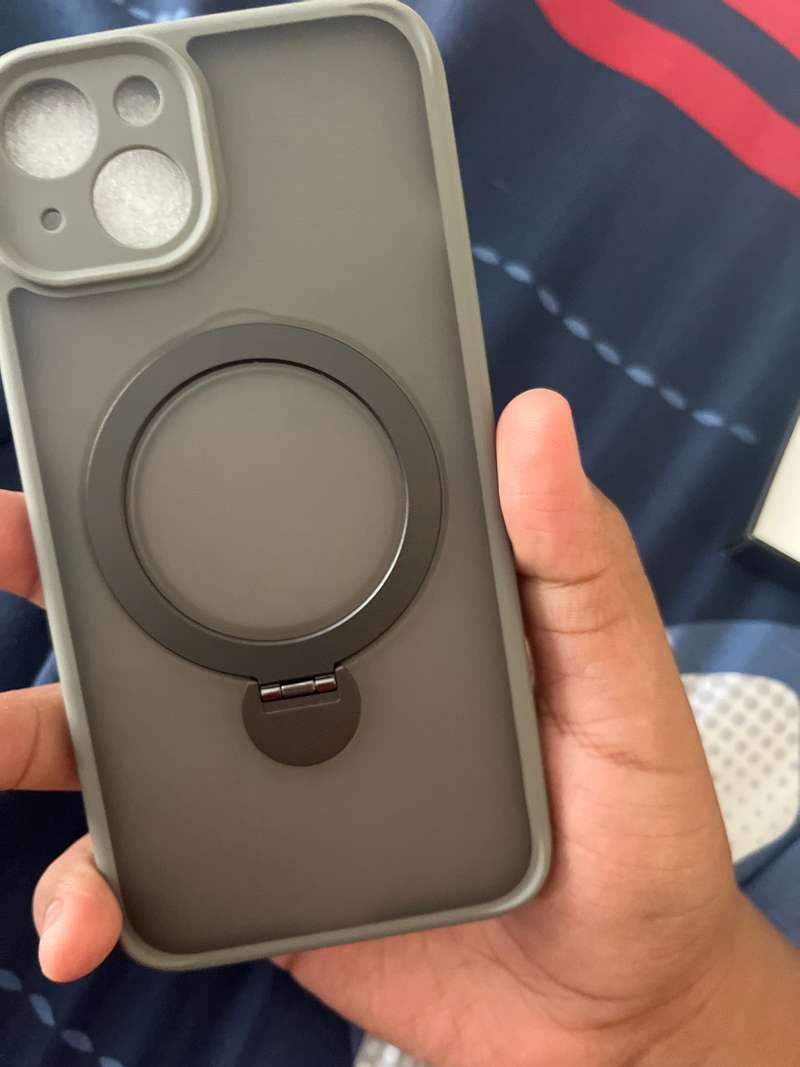
Cracking the screen or damaging the camera on your iPhone 14 can cost anywhere from $200 to nearly $500 in repairs — a painful expense that most people simply don’t budget for. Yet millions of iPhone 14 owners walk around every day with their devices completely unprotected, one accidental drop away from a hefty repair bill.
The challenge for budget-conscious consumers isn’t just finding a phone case — it’s finding one that actually works without draining their wallet. The market is flooded with options ranging from flimsy $5 covers that offer little real protection to premium cases that cost nearly as much as a monthly phone payment. Somewhere in between lies the sweet spot: genuine, reliable protection at a price that makes sense.
This article cuts through the noise and guides you toward smart, affordable choices for protecting your iPhone 14. You’ll learn which features truly matter, how to evaluate durability without falling for marketing gimmicks, and where to find quality cases that won’t break the bank. Whether you’re replacing a worn-out case or buying your first one, these practical insights will help you protect your investment without overspending.
Why Protecting Your iPhone 14 is a Smart Investment
The iPhone 14 is a significant financial commitment, and the cost of repairing one can be staggering. A cracked screen replacement runs between $200 and $329 through Apple, while back glass damage can push repair bills close to $500. Even minor camera lens cracks — something that happens more often than most people expect — can cost upward of $100 to fix. When you stack those numbers against the price of a quality phone case, the math becomes impossible to ignore.
Beyond the immediate repair costs, there’s the hidden expense of downtime. Sending your phone in for repairs means days without your primary device, potentially disrupting work, communication, and daily routines. Some people resort to expensive same-day repair services just to avoid that inconvenience, driving costs even higher. A single drop on pavement, a phone sliding off a table, or a moment of distraction near a hard surface can trigger this entire chain of expenses.
This is precisely why a reliable phone case isn’t an optional accessory — it’s a practical financial safeguard. A well-chosen case absorbs and distributes impact energy before it reaches your device, dramatically reducing the likelihood of screen cracks, chassis dents, and camera damage. For budget-conscious consumers, the calculus is straightforward: spending $15 to $30 on a durable case today can prevent a $300 repair tomorrow. The key is knowing how to identify cases that deliver genuine protection rather than just the appearance of it — which is exactly what the rest of this guide addresses.
Key Features to Look for in an iPhone 14 Phone Case
Not every case that claims to protect your phone actually delivers on that promise. To separate genuine protection from clever packaging, you need to focus on a handful of features that have a direct impact on how well a case performs when it matters most. The good news is that these features are available across a wide range of price points — you don’t need to spend a fortune to get them.
Understanding Durable Armor Technology
The term “durable armor” gets thrown around a lot in product descriptions, but it has real meaning when applied correctly. True armor-grade protection comes from multi-layer construction — typically a rigid polycarbonate outer shell paired with a flexible TPU inner layer. The hard shell deflects initial impact force, while the soft interior absorbs and dissipates the remaining energy before it reaches your device. Cases built this way consistently outperform single-material options, even when the price difference is minimal.
One reliable indicator of genuine durability is military-grade drop test certification, commonly listed as MIL-STD-810G or MIL-STD-810H. These certifications mean the case has been tested under standardized conditions involving multiple drops from varying heights and angles. While certification alone doesn’t guarantee perfection, it does confirm that the case has passed a recognized benchmark — something worth prioritizing over vague claims like “ultra-tough” or “heavy-duty.”
The Role of Camera Covers in iPhone 14 Protection
The iPhone 14’s camera system is one of its most valuable and vulnerable components. The lenses sit slightly raised from the back panel, making them prime targets for scratches when the phone is set face-up on rough surfaces. A case with raised camera bezels — a small lip that extends a millimeter or two above the lens housing — provides a simple but highly effective barrier against this type of damage.
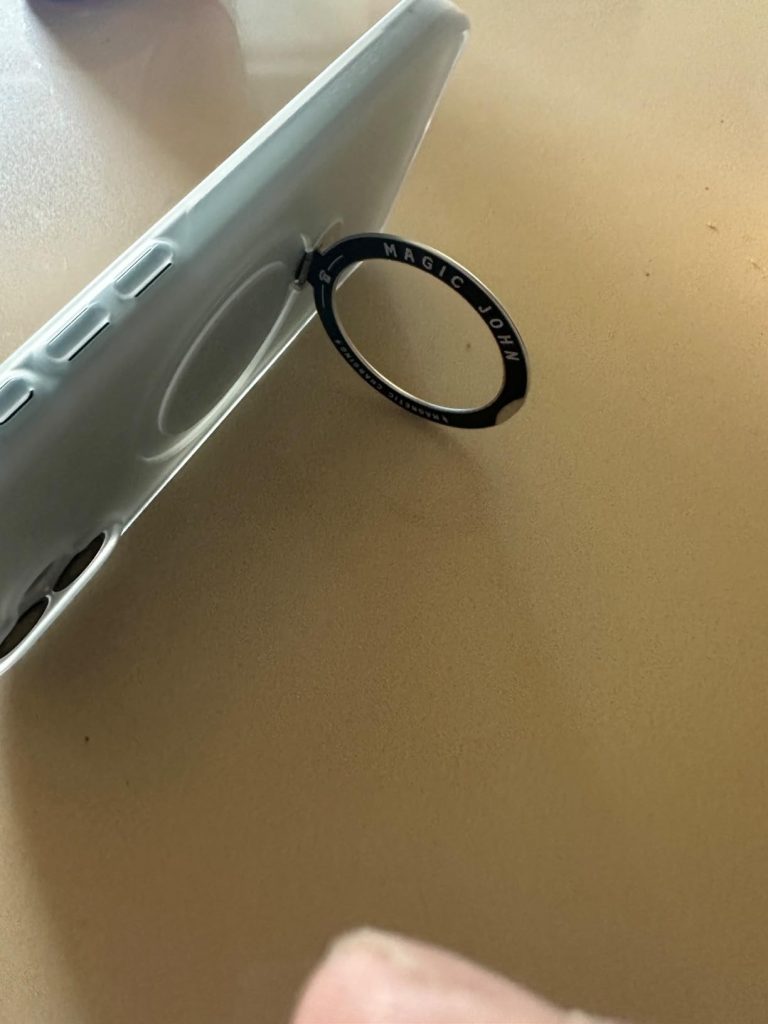
Some cases go further with sliding or flip-style camera covers that physically shield the lenses when not in use, though these tend to appear in higher price tiers. For most budget-conscious buyers, a well-designed raised bezel offers comparable everyday protection without the added cost. When evaluating any case, physically check that the camera cutout is precise and that the surrounding lip is uniform — uneven or undersized bezels leave your lenses exposed in ways that aren’t obvious until damage has already occurred.
How to Find Affordable iPhone 14 Phone Cases Without Sacrificing Quality
Finding a case that balances genuine protection with a reasonable price requires a bit of strategy, but it’s far more achievable than most people realize. The market has matured significantly, and reputable manufacturers now compete aggressively at lower price points — meaning a $15 to $25 case today can offer protection that would have cost three times as much a few years ago. The trick is knowing how to navigate the options without getting misled by inflated marketing claims or suspiciously low prices that signal poor quality.
Step-by-Step Guide to Evaluating Case Durability on a Budget
Start by setting a firm budget range before you begin browsing — somewhere between $15 and $35 covers the majority of genuinely protective options without venturing into premium territory. Once you have that number in mind, filter your search by drop test certification. Look specifically for MIL-STD-810G or 810H ratings, which confirm standardized impact testing rather than manufacturer-invented benchmarks. Next, examine material specifications: cases listing both polycarbonate and TPU in their construction are structurally superior to single-material alternatives. Pay attention to thickness at the corners, since that’s where drop impact concentrates most. Finally, review the warranty and return policy before purchasing — brands confident in their product typically offer at least a one-year warranty, and a straightforward return window lets you test the fit and feel without financial risk.
Where to Shop for Budget-Friendly iPhone 14 Cases
Amazon remains the most practical starting point for comparison shopping, largely because user reviews are extensive and verified purchase filters help cut through fake feedback. Sort by rating with a minimum threshold of 4.2 stars and prioritize listings with several hundred reviews rather than a handful of perfect scores. Direct manufacturer websites — particularly brands like Spigen, ESR, and Caseology — frequently run sales and bundle deals that undercut their own Amazon listings. eBay can yield genuine bargains on legitimate products, but stick to sellers with strong feedback histories and avoid listings that lack clear brand identification. When evaluating any option, cross-reference the product against the brand’s official website to confirm authenticity. Counterfeit cases often copy packaging convincingly but use inferior materials that fail on first impact. Using browser extensions that track price history can also help you time purchases during genuine discount windows rather than artificial markdowns.
Practical Solutions for Maximizing iPhone 14 Protection
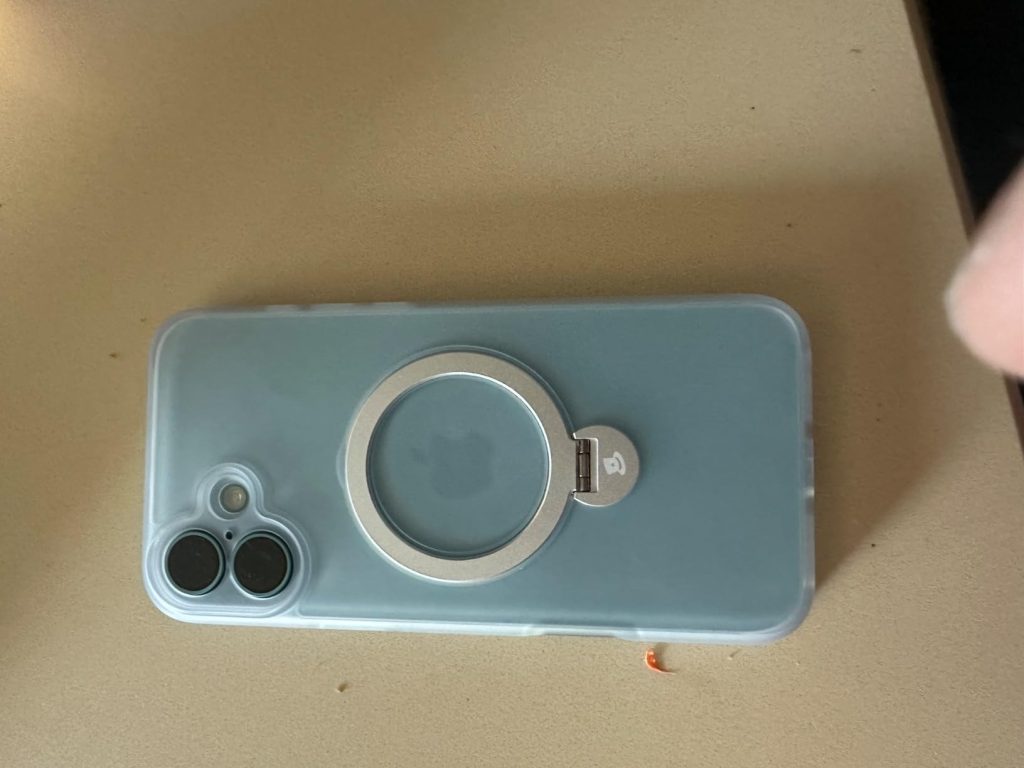
Owning a quality case is the foundation of iPhone 14 protection, but it’s rarely the complete picture. Pairing your case with a tempered glass screen protector costs as little as $8 to $12 and addresses the one vulnerability most cases don’t fully cover — direct screen impact. Look for screen protectors with at least 9H hardness ratings, which resist surface scratching and distribute point-impact force across a wider area. Brands like MagicJohn offer tempered glass options in this range that meet the 9H standard and are worth considering when building out your full protection setup. Together, a solid case and a tempered glass protector create a layered defense system that covers virtually every common damage scenario without pushing your total spend past $40.
Installation and Maintenance Tips for Your Case
Proper installation makes a measurable difference in how well a case performs. Before fitting any case, clean your iPhone thoroughly with a microfiber cloth to remove dust and debris — particles trapped under the case can scratch the chassis over time. When seating the case, start from one corner and work around the edges evenly rather than pressing the center first, which can stress the frame and cause uneven seating. For camera cutouts, verify alignment carefully before snapping the case fully into place. A misaligned cutout that rubs against the lens housing will cause gradual scratching no matter how premium the case.
Maintenance is equally straightforward. Wipe the interior of your case every two to three weeks with a slightly damp cloth to clear accumulated grit, and allow it to dry completely before reinstalling. Avoid harsh cleaning agents, which degrade TPU over time and cause it to become sticky or brittle. Periodically flex the case gently to check for micro-cracks along the corners — stress fractures that aren’t visible during normal use can compromise impact absorption significantly.
Long-Term Strategies for Cost-Effective Protection
Cases wear out, and using a degraded case is only marginally better than using none at all. A practical rule of thumb is to inspect your case every six months and replace it annually, or sooner if you notice corner compression, discoloration, or loosening around the ports. Buying a two-pack when available — many budget-friendly brands offer them — cuts the per-unit cost and ensures you always have a backup on hand. Some consumers rotate between a slim case for everyday carry and a heavier-duty option during travel or outdoor activities, which distributes wear across two cases and extends the life of both. Tracking your purchase date with a simple phone reminder takes the guesswork out of knowing when it’s time for a replacement.
Smart Protection for Your iPhone 14 at the Right Price
Protecting your iPhone 14 doesn’t have to be a choice between reliable coverage and financial common sense. As this guide has shown, the repair costs alone — potentially hundreds of dollars for a cracked screen or damaged camera — make a quality case one of the smartest purchases you can make for your device. The good news is that genuine protection is well within reach at a reasonable price.
The path forward is straightforward. Focus on cases built with multi-layer construction and verified drop test certifications rather than empty marketing language. Prioritize raised camera bezels to guard the iPhone 14’s most vulnerable components. Shop strategically using verified reviews, manufacturer direct channels, and price-tracking tools to land the best value. Pair your case with a tempered glass screen protector for comprehensive coverage, and maintain both regularly to keep them performing at their best.
Budget-conscious consumers no longer have to settle for flimsy protection or overpay for premium branding. The practical steps outlined here give you everything you need to make a confident, informed decision. Apply these insights, invest in a case that genuinely delivers, and you’ll have the peace of mind of knowing your iPhone 14 is well protected — without a single dollar wasted.
