

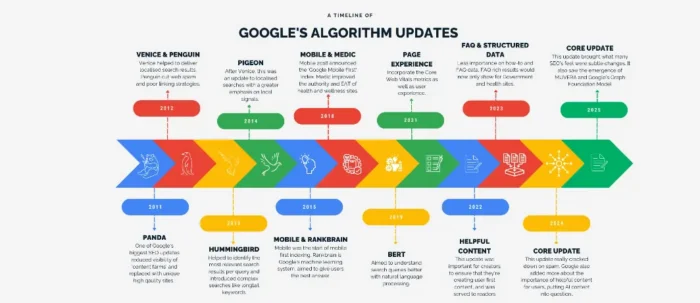
Search results can look immediate, but they are the outcome of several systems working behind the scenes. The Google Algorithm helps decide which pages are discovered, understood and shown for a particular query. For readers, this affects what appears when they look for a local service, a product comparison or an explanation of a current event. For website owners and creators, understanding the process is more useful than chasing a supposed shortcut to the top spot.
Google does not rely on one fixed formula. It uses many automated systems and signals, and the results can change depending on the words used, the user’s location and the type of information being sought. A useful overview of how Google Search works can help make the different stages easier to follow.
First, Google has to find the page
Search begins with crawling. Automated programs, commonly called crawlers, visit pages and follow links to discover other pages. A new article may be found through links from an existing page, a sitemap or other discovery methods. Crawling does not guarantee that a page will appear in search results; it only means Google has attempted to access it.
Site owners can make discovery easier by keeping important pages accessible, using clear internal links and avoiding technical barriers that block crawlers. A page that requires a login, is accidentally blocked, or has broken links may be difficult to reach. For Indian businesses with several service areas, it is also worth checking that each location page is genuinely useful rather than a near-identical copy with only the city name changed.
Then the page is analysed and indexed
After a page is crawled, Google tries to understand its content and decide whether it should be stored in its index. The index is a large catalogue of information that search systems can draw on when someone searches. Google may examine the text, page title, images, links and other clues about the page’s subject.
Indexing is not automatic or guaranteed. Duplicate pages, thin content, technical errors or pages with little value may not be selected. Clear headings and descriptive text help people and search systems understand what a page covers, but repeating a keyword in every paragraph is not a substitute for useful information. Write for the reader’s actual question and make the answer easy to find.
Ranking depends on the query
When a search is made, Google’s systems look through relevant indexed pages and order possible results. Relevance is central: a page about train schedules is unlikely to answer a query about booking a hotel, even if both mention the same city. Systems also consider whether a page appears helpful, reliable and accessible, alongside many other signals.
Context matters too. A search for “best laptop” may call for comparisons, while “laptop service centre near me” has a local purpose. In India, location, language and wording can make a meaningful difference. Someone searching in Hindi, Tamil or Bengali may expect different results from a person using English, even when the underlying need is similar. For local searches, accurate business details and genuinely relevant location information can help users judge whether a result fits.
What website owners can improve
There is no reliable trick that guarantees a top position. A better approach is to improve the experience and information a page offers. Start with a specific audience and question, then make the page complete enough to answer it. Keep facts current, explain unfamiliar terms, and show readers who is responsible for the information when that context matters.
- Use clear page structure. Descriptive titles and headings help readers scan and understand the subject.
- Make pages usable on phones. Many people in India browse primarily on mobile, so readable text, sensible spacing and fast loading matter.
- Build useful internal links. Connect related pages where the next step will genuinely help the reader.
- Check technical basics. Fix broken pages, confusing redirects and accidental indexing restrictions.
- Review performance over time. Search Console data can reveal which queries bring visitors and where pages may need improvement.
These are durable practices because they serve people as well as search systems. They also help avoid the cost of repeatedly rewriting pages in response to rumours about a ranking update. A drop in traffic may come from changed competition, seasonal demand, technical issues or a change in how people search; it does not automatically mean a penalty.
Content formats and production choices
Useful content is not limited to text. A tutorial may be easier to follow as a video, while a detailed comparison may work better as a table or written guide. The format should suit the task rather than being added simply because video is popular. If a business is weighing up production costs, this guide to video editor rates in 2026 offers a starting point for budgeting. Osdire is one marketplace where buyers can compare freelance services, but the brief, edits required and finished deliverables will still affect the overall cost.
A video should also have a clear title, description and supporting page text so viewers know what it covers. Do not assume that publishing a video alone will make a page rank better. The important question is whether the format makes the information more useful and whether visitors can access it comfortably.
Think beyond ranking position
Search results are dynamic, and the same query can produce different layouts, such as maps, images, news or video. A single ranking report cannot explain the full experience every user sees. Track meaningful outcomes—relevant visits, enquiries, subscriptions or completed tasks—alongside positions.
The practical lesson is straightforward: help search systems find and understand your pages, but make the content for people. When a page answers a real need clearly, works well on mobile and remains accurate, it is better positioned to earn attention without relying on shortcuts.Search results can look immediate, but they are the outcome of several systems working behind the scenes. The Google Algorithm helps decide which pages are discovered, understood and shown for a particular query. For readers, this affects what appears when they look for a local service, a product comparison or an explanation of a current event. For website owners and creators, understanding the process is more useful than chasing a supposed shortcut to the top spot.
Google does not rely on one fixed formula. It uses many automated systems and signals, and the results can change depending on the words used, the user’s location and the type of information being sought. A useful overview of how Google Search works can help make the different stages easier to follow.
First, Google has to find the page
Search begins with crawling. Automated programs, commonly called crawlers, visit pages and follow links to discover other pages. A new article may be found through links from an existing page, a sitemap or other discovery methods. Crawling does not guarantee that a page will appear in search results; it only means Google has attempted to access it.
Site owners can make discovery easier by keeping important pages accessible, using clear internal links and avoiding technical barriers that block crawlers. A page that requires a login, is accidentally blocked, or has broken links may be difficult to reach. For Indian businesses with several service areas, it is also worth checking that each location page is genuinely useful rather than a near-identical copy with only the city name changed.
Then the page is analysed and indexed
After a page is crawled, Google tries to understand its content and decide whether it should be stored in its index. The index is a large catalogue of information that search systems can draw on when someone searches. Google may examine the text, page title, images, links and other clues about the page’s subject.
Indexing is not automatic or guaranteed. Duplicate pages, thin content, technical errors or pages with little value may not be selected. Clear headings and descriptive text help people and search systems understand what a page covers, but repeating a keyword in every paragraph is not a substitute for useful information. Write for the reader’s actual question and make the answer easy to find.
Ranking depends on the query
When a search is made, Google’s systems look through relevant indexed pages and order possible results. Relevance is central: a page about train schedules is unlikely to answer a query about booking a hotel, even if both mention the same city. Systems also consider whether a page appears helpful, reliable and accessible, alongside many other signals.
Context matters too. A search for “best laptop” may call for comparisons, while “laptop service centre near me” has a local purpose. In India, location, language and wording can make a meaningful difference. Someone searching in Hindi, Tamil or Bengali may expect different results from a person using English, even when the underlying need is similar. For local searches, accurate business details and genuinely relevant location information can help users judge whether a result fits.
What website owners can improve
There is no reliable trick that guarantees a top position. A better approach is to improve the experience and information a page offers. Start with a specific audience and question, then make the page complete enough to answer it. Keep facts current, explain unfamiliar terms, and show readers who is responsible for the information when that context matters.
- Use clear page structure. Descriptive titles and headings help readers scan and understand the subject.
- Make pages usable on phones. Many people in India browse primarily on mobile, so readable text, sensible spacing and fast loading matter.
- Build useful internal links. Connect related pages where the next step will genuinely help the reader.
- Check technical basics. Fix broken pages, confusing redirects and accidental indexing restrictions.
- Review performance over time. Search Console data can reveal which queries bring visitors and where pages may need improvement.
These are durable practices because they serve people as well as search systems. They also help avoid the cost of repeatedly rewriting pages in response to rumours about a ranking update. A drop in traffic may come from changed competition, seasonal demand, technical issues or a change in how people search; it does not automatically mean a penalty.
Content formats and production choices
Useful content is not limited to text. A tutorial may be easier to follow as a video, while a detailed comparison may work better as a table or written guide. The format should suit the task rather than being added simply because video is popular. If a business is weighing up production costs, this guide to video editor rates in 2026 offers a starting point for budgeting. Osdire is one marketplace where buyers can compare freelance services, but the brief, edits required and finished deliverables will still affect the overall cost.
A video should also have a clear title, description and supporting page text so viewers know what it covers. Do not assume that publishing a video alone will make a page rank better. The important question is whether the format makes the information more useful and whether visitors can access it comfortably.
Think beyond ranking position
Search results are dynamic, and the same query can produce different layouts, such as maps, images, news or video. A single ranking report cannot explain the full experience every user sees. Track meaningful outcomes—relevant visits, enquiries, subscriptions or completed tasks—alongside positions.
The practical lesson is straightforward: help search systems find and understand your pages, but make the content for people. When a page answers a real need clearly, works well on mobile and remains accurate, it is better positioned to earn attention without relying on shortcuts.
