

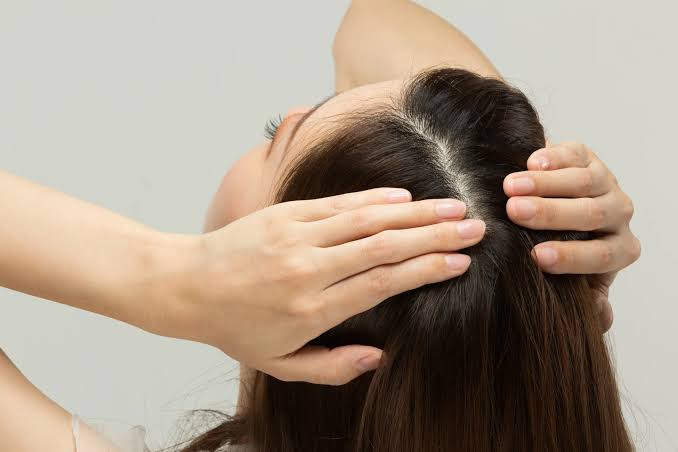
Not every hair concern calls for a haircut or a new shampoo. A surprising number of common complaints — persistent flaking, excess oil, thinning patches — actually start at the scalp rather than the hair itself, and addressing the scalp directly through a hair scalp treatment often produces better results than treating the visible symptoms alone. Here’s how to tell if this applies to you, and what a typical session looks like.
Signs Your Scalp Needs Attention
A few patterns are worth watching for:
Persistent flaking that doesn’t resolve with anti-dandruff shampoo. This can indicate a more chronic imbalance that surface-level products aren’t addressing.
Oiliness that returns within a day of washing. This usually points to overactive sebaceous glands or scalp buildup that regular shampooing isn’t fully clearing.
Thinning patches, particularly at the crown or hairline, that seem disconnected from any change in your hair care routine. This is often a sign that scalp health, rather than product choice, is the underlying factor.
Itching, tenderness, or a scalp that feels tight or inflamed. These are usually signs of some degree of chronic irritation that has built up over time.
If any of these sound familiar, it’s a reasonable signal that the issue may be scalp-driven rather than something a different shampoo or conditioner will resolve.
Why the Scalp Matters More Than People Assume
It’s a useful mental model to think of the scalp as soil and hair as what grows from it. Healthy, balanced soil supports strong growth; soil that’s clogged, inflamed, or imbalanced makes it harder for anything to thrive regardless of how good the seed is. The same logic applies to hair — a scalp dealing with excess oil, buildup, or inflammation makes it harder for hair to grow and stay healthy, even if the hair itself isn’t inherently weak or damaged.
What a Typical Hair Scalp Treatment Session Looks Like
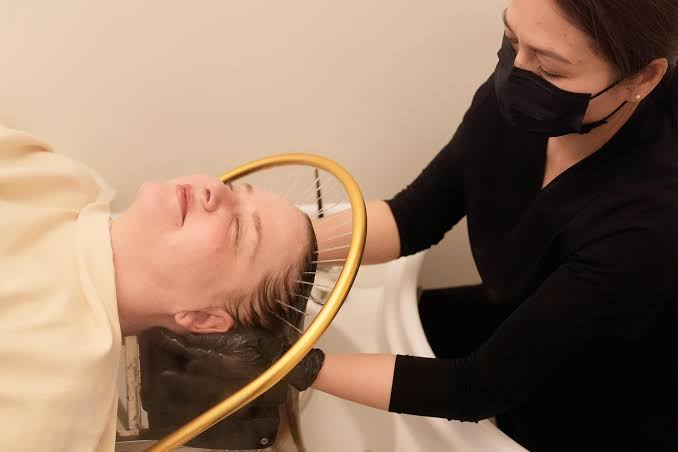
Sessions generally start with some form of scalp assessment — often a scalp scan — to identify what’s actually happening beneath the surface before any product is applied. This step matters because an oily, congested scalp needs a different approach than a dry, flaking one, and treating the wrong condition with the wrong protocol tends to produce disappointing results.
From there, a typical session usually includes deep cleansing to remove buildup that regular washing doesn’t fully clear, gentle exfoliation to unclog follicles, and application of a treatment formulation — often herbal-based — chosen according to the diagnosed condition. Many sessions also include scalp massage to support circulation, and some form of light therapy to support the treated area.
How Often You Should Return
This depends heavily on the severity of the underlying condition. Clients dealing with an active issue, like significant excess oil or early-stage thinning, are often advised to start with more frequent sessions to establish momentum, then move to a maintenance schedule once the scalp has stabilised. A single session rarely resolves a chronic condition — consistency across multiple visits, paired with any recommended at-home care, tends to produce more reliable results than a one-off treatment.
Combining Professional Treatment With At-Home Care
Professional sessions tend to work best when paired with consistent at-home maintenance rather than treated as a standalone fix. This might include a daily herbal tonic for thinning or general scalp health, applied between clinic visits to maintain momentum rather than resetting to baseline each time.
Locally, HairPlus Lab’s approach to hair scalp treatment follows this diagnosis-first model, starting with a scalp analysis before recommending a specific herbal protocol tailored to what’s actually identified. For clients whose main concern is thinning specifically, pairing this with a hair tonic regrow routine at home is a common combination for maintaining results between sessions. Similarly, clients looking for a more general maintenance option once an active condition has stabilised may consider a hair spa session as a gentler follow-up.
What to Do Next
If you’re noticing any of the signs above — persistent flaking, recurring oiliness, unexplained thinning, or scalp discomfort — the most useful next step is a proper scalp assessment rather than another round of over-the-counter products aimed at the symptoms rather than the cause. Understanding what’s actually happening beneath the surface is the difference between guessing and treating the real issue.
