

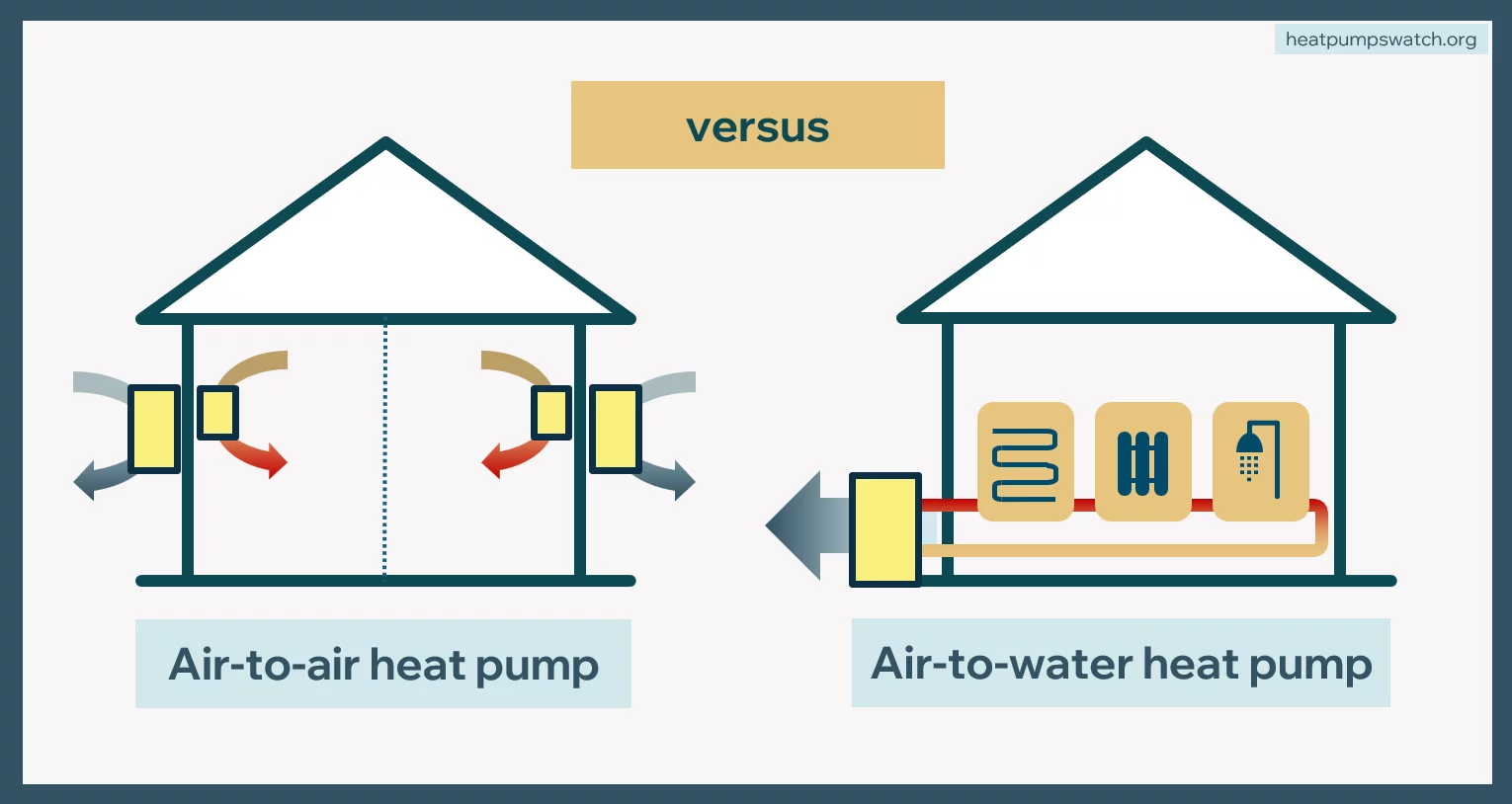
Many homeowners considering a heating upgrade often wonder whether their existing radiators can continue to be used with a heat pump. This question is especially common in homes where radiators have been installed for many years and are still functioning properly. The good news is that heat pump with radiators (wärmepumpe mit Heizkörper) is not only possible in many situations but can also provide an effective combination of comfort, efficiency, and practicality when designed correctly.
As heat pumps become more popular due to their energy-efficient operation, homeowners are increasingly looking for ways to integrate them into existing heating systems rather than replacing every component of their home infrastructure. Understanding how radiators and heat pumps work together can help property owners make informed decisions about future heating improvements.
Why Do Homeowners Want to Keep Existing Radiators?
Radiators are a common feature in many homes and buildings. They have provided reliable heating for decades and are often connected to extensive pipework throughout the property. Replacing the entire distribution system can increase renovation costs and create additional disruption.
For this reason, many homeowners prefer to keep their existing radiators when installing a heat pump. Retaining parts of the existing heating infrastructure can simplify renovation projects while still allowing the benefits of modern heating technology.
In many cases, existing radiators can continue to operate effectively when paired with a properly designed heat pump system. The suitability depends on several factors, including radiator size, insulation quality, and the heating requirements of the building.
How Does a Heat Pump Work with Radiators?
A heat pump transfers heat from the surrounding environment into the home. The heated water is then circulated through radiators to distribute warmth throughout the building.
The main difference compared to many traditional heating systems is that heat pumps often operate at lower water temperatures. Instead of producing very hot water, they typically provide a steady flow of moderate-temperature heat. Because of this operating method, radiator performance becomes an important consideration.
Larger radiators generally work well because they can release sufficient heat even when supplied with lower-temperature water. The larger surface area allows heat to spread efficiently throughout the room while maintaining comfortable indoor temperatures.
Can Existing Radiators Be Used Without Replacement?
One of the most common concerns among homeowners is whether existing radiators must be replaced when installing a heat pump. The answer depends on the specific characteristics of the heating system and the property itself.
Many existing radiators can continue to operate effectively if they are appropriately sized for the heating demand of the building. In some homes, no modifications may be necessary. In others, certain radiators may need to be upgraded to improve heat output and overall system efficiency.
The condition of the radiators also matters. Well-maintained radiators that distribute heat evenly often perform better when integrated into a modern heating system.
A professional assessment can determine whether existing radiators are suitable or whether adjustments would improve performance.
Why Does Radiator Size Matter?
Radiator size plays a major role in heat distribution. Because heat pumps generally provide lower water temperatures than some traditional systems, the radiator must have enough surface area to transfer heat effectively into the room.
Small radiators designed for high-temperature systems may struggle to deliver the same level of comfort when operating with lower water temperatures. Larger radiators, on the other hand, can often achieve excellent results because they compensate for lower temperatures through increased surface area.
This is one reason why radiator evaluation is an important step during heat pump planning. Proper sizing helps ensure that every room receives adequate warmth while maintaining system efficiency.
How Does Home Insulation Affect Performance?
Insulation is one of the most important factors influencing the success of a heat pump and radiator combination. A well-insulated building loses less heat, allowing the system to maintain comfortable temperatures with less effort.
In homes with poor insulation, heat can escape rapidly through walls, roofs, floors, and windows. This increases heating demand and may reduce overall efficiency. Improving insulation often enhances the performance of both the heat pump and the radiators.
Even relatively simple measures such as sealing drafts or upgrading window insulation can make a noticeable difference. Better insulation allows the heating system to operate more efficiently and consistently.
What Comfort Benefits Can Homeowners Expect?
One of the advantages of using a heat pump with radiators is the ability to maintain stable indoor temperatures. Rather than producing intense bursts of heat followed by cooling periods, the system often operates more continuously.
This steady approach creates a comfortable indoor environment with fewer temperature fluctuations. Many homeowners appreciate the balanced warmth that results from continuous heat distribution.
Radiators also provide room-by-room heating control, allowing occupants to adjust temperatures according to their preferences. This flexibility contributes to improved comfort throughout the home.
Does a Heat Pump with Radiators Improve Energy Efficiency?
Energy efficiency is one of the main reasons homeowners consider heat pump technology. By transferring heat instead of generating it directly, heat pumps can provide significant amounts of heating energy while using relatively modest amounts of electricity.
When radiators are properly matched to the system, efficiency can be maintained at a high level. The key is ensuring that the heat distribution system supports low-temperature operation.
Efficient heat transfer allows the heat pump to operate under favorable conditions, reducing unnecessary energy consumption and supporting long-term savings.
Are Older Homes Suitable for This Combination?
Many older homes already contain radiator-based heating systems. As a result, homeowners often wonder whether heat pumps are suitable for such properties.
In many cases, the answer is yes. Older buildings can successfully use heat pumps with radiators when the system is carefully designed. Building characteristics such as insulation quality, window performance, and heating demand should be evaluated to determine the most effective configuration.
Even in older properties, modern heat pump technology can provide reliable comfort when combined with appropriate planning and installation.
What Maintenance Is Required?
Regular maintenance helps ensure efficient operation throughout the system’s lifespan. Radiators should be checked periodically to confirm that heat is distributed evenly and that no blockages or air pockets reduce performance.
The heat pump itself also benefits from routine inspections and servicing. Clean components, proper airflow, and correctly functioning controls contribute to efficient operation.
Consistent maintenance helps preserve comfort levels, improve reliability, and support long-term energy performance.
Can This System Increase Property Value?
Modern heating technology is often viewed as a desirable feature in residential properties. A well-designed heat pump system combined with effective radiator heating may enhance the overall appeal of a home.
Prospective buyers increasingly pay attention to energy efficiency and operating costs when evaluating properties. A modernized heating system can demonstrate that the home has been updated with long-term performance and sustainability in mind.
While property value depends on many factors, energy-efficient improvements are frequently considered attractive by future homeowners.
What Challenges Should Be Considered?
Although heat pumps and radiators can work very well together, successful implementation requires careful planning. Radiator sizing, insulation quality, system balancing, and building heat demand should all be evaluated before installation.
Ignoring these factors can reduce efficiency and limit performance. Proper design helps avoid common issues and ensures that the system delivers comfortable indoor temperatures throughout the year.
Professional planning is often the key to achieving the best results and maximizing the benefits of the technology.
Is a Heat Pump with Radiators the Right Choice?
For many homeowners, combining a heat pump with radiators offers an excellent balance between modern efficiency and existing infrastructure. It allows the continued use of established heating systems while benefiting from advanced energy-saving technology.
The ability to maintain comfortable temperatures, improve efficiency, and potentially reduce operating costs makes this combination an attractive option for many properties. Whether in newer homes or older buildings, heat pumps and radiators can work together successfully when properly designed.
As homeowners continue to seek sustainable and practical heating solutions, the combination of a heat pump and radiators remains a reliable and effective approach. With thoughtful planning, adequate insulation, and properly sized radiators, this system can provide dependable comfort and energy-efficient performance for many years to come.
