

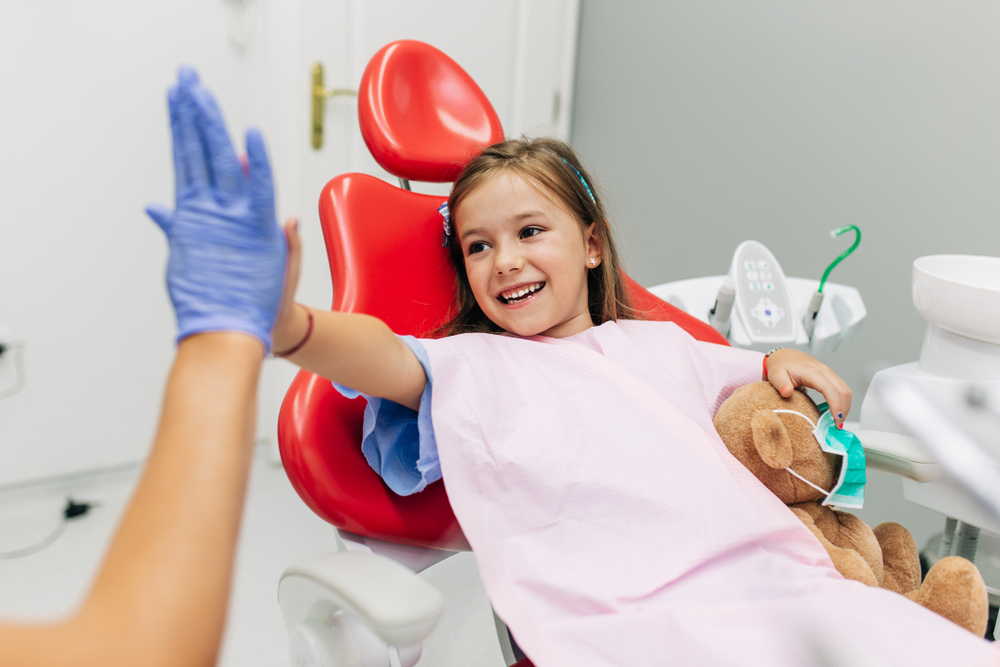
Healthy teeth shape how your child eats, speaks, and feels. Regular dental checkups protect that health before problems grow. You might wait until your child complains about pain. By then, the damage often needs more serious treatment. Early visits catch small issues while they are still easy to fix. Routine cleanings remove plaque that brushing at home misses. Careful exams spot weak spots in enamel and gums. Honest talks with the dentist help you understand habits that harm your child’s teeth, like constant snacking or juice before bed. Each visit builds trust, so your child fears the chair less and learns that care is normal. Many parents only think of an Akron dentist for crowns after a crisis. Instead, steady checkups lower the chance that your child will need major work later. You give your child comfort, strength, and a calm smile.
Why children need regular dental visits
Baby teeth fall out. That fact can tempt you to ignore small chips or stains. Yet those early teeth guide adult teeth into place. Cavities in baby teeth can spread infection. That infection can affect speech and eating. It can also keep your child awake at night.
The Centers for Disease Control and Prevention reports that cavities are one of the most common chronic health problems in children. Many of these cavities are preventable. Regular checkups give your child a strong start. They also give you clear steps you can follow at home.
What happens during a checkup
A standard checkup usually includes three parts.
- Cleaning. The dental team scrapes away plaque and hardened tartar. They also polish the teeth. This step lowers the risk of cavities and gum swelling.
- Exam. The dentist looks at every tooth. The dentist checks the gums, tongue, and cheeks. Sometimes X rays help show hidden decay.
- Guidance. You and your child receive clear advice on brushing, flossing, and food choices. You can ask questions about thumb sucking, sports, or tooth injuries.
Each visit builds a record. That record helps the dentist see changes. Slow changes are hard to notice at home. A trained eye can see them early.
How often children should go
Most children need a checkup every six months. Some need visits more often. The schedule depends on risk for cavities and gum problems. Children with braces, special health needs, or past decay may need closer watch. You can also review the guidance from the National Institute of Dental and Craniofacial Research for more detail on timing.
Ask the dentist to explain the visit schedule in simple steps. Then place the dates on a family calendar. Treat those dates like school days. You protect your child from pain by staying on track.
Checkups versus “wait until it hurts” care
Some parents wait for clear pain before they call a dentist. That pattern often leads to longer visits and higher cost. The table below compares steady checkups with crisis care.
| Type of care | Typical timing | Common treatments | Impact on child | Impact on family |
|---|---|---|---|---|
| Consistent checkups | Every 6 months | Cleanings, small fillings, sealants | Less pain, shorter visits, calmer feelings | Predictable cost, fewer school absences |
| Crisis care only | When pain or swelling starts | Large fillings, crowns, extractions | Stronger pain, fear of future visits | Emergency visits, missed work, higher bills |
Consistent checkups tend to use simple steps. Crisis care often needs more complex work. Your choice today shapes what your child faces later.
How checkups prevent common childhood problems
Routine visits help stop three common problems.
- Cavities. Cleanings remove plaque. Fluoride treatments strengthen enamel. Early tiny spots of decay can be treated before they grow.
- Gum swelling. The dentist checks for redness and bleeding. You get clear brushing and flossing tips. That keeps gums firm and strong.
- Tooth alignment concerns. The dentist watches how teeth line up. Early signs of crowding or bite problems can lead to a timely referral to an orthodontist.
These steps keep your child from facing toothaches, hard chewing, or teasing at school because of damaged teeth.
Cost and time: prevention versus treatment
Many parents fear the cost of care. It is fair to worry. Yet prevention often costs less than repair. A short cleaning visit may take under an hour. A crown or extraction can take much longer. It may also need follow up visits.
When problems grow, you may miss work. Your child may miss school. Pain can affect focus and mood. In contrast, steady checkups often fit into planned schedules. They also reduce the chance of late night emergencies.
Helping your child feel safe at the dentist
Children watch how adults react. Your calm tone can ease their fear. You can try three simple steps.
- Use plain words. Say, “The dentist will count your teeth and clean them.” Avoid scary terms.
- Read a short story about a dental visit before the appointment. This gives a clear picture of what to expect.
- Offer praise after the visit. Focus on effort. Say, “You sat still and opened wide. That helped a lot.”
If your child has special needs or strong fear, tell the office in advance. The team can plan extra time or support. That planning can prevent a meltdown and build trust.
What you can do between visits
Checkups work best when you support them at home. Three habits matter most.
- Twice daily brushing with fluoride toothpaste. Help your child brush until at least age 7 or 8. Young hands often miss spots.
- Daily flossing once teeth touch. Use floss picks if that makes it easier.
- Smart snacks and drinks. Offer water instead of sugary drinks. Keep sweets with meals, not as constant snacks.
These steps help each dental visit stay quick and simple. They also teach your child that health comes from daily choices, not only from a clinic.
Taking the next step
If your child has not seen a dentist in the past year, call a local office today. Ask for a checkup and cleaning. Bring any questions about brushing, diet, or past pain. A steady pattern of visits can prevent many childhood oral health issues. It can also protect your child from sudden pain that steals sleep, learning, and play.
