

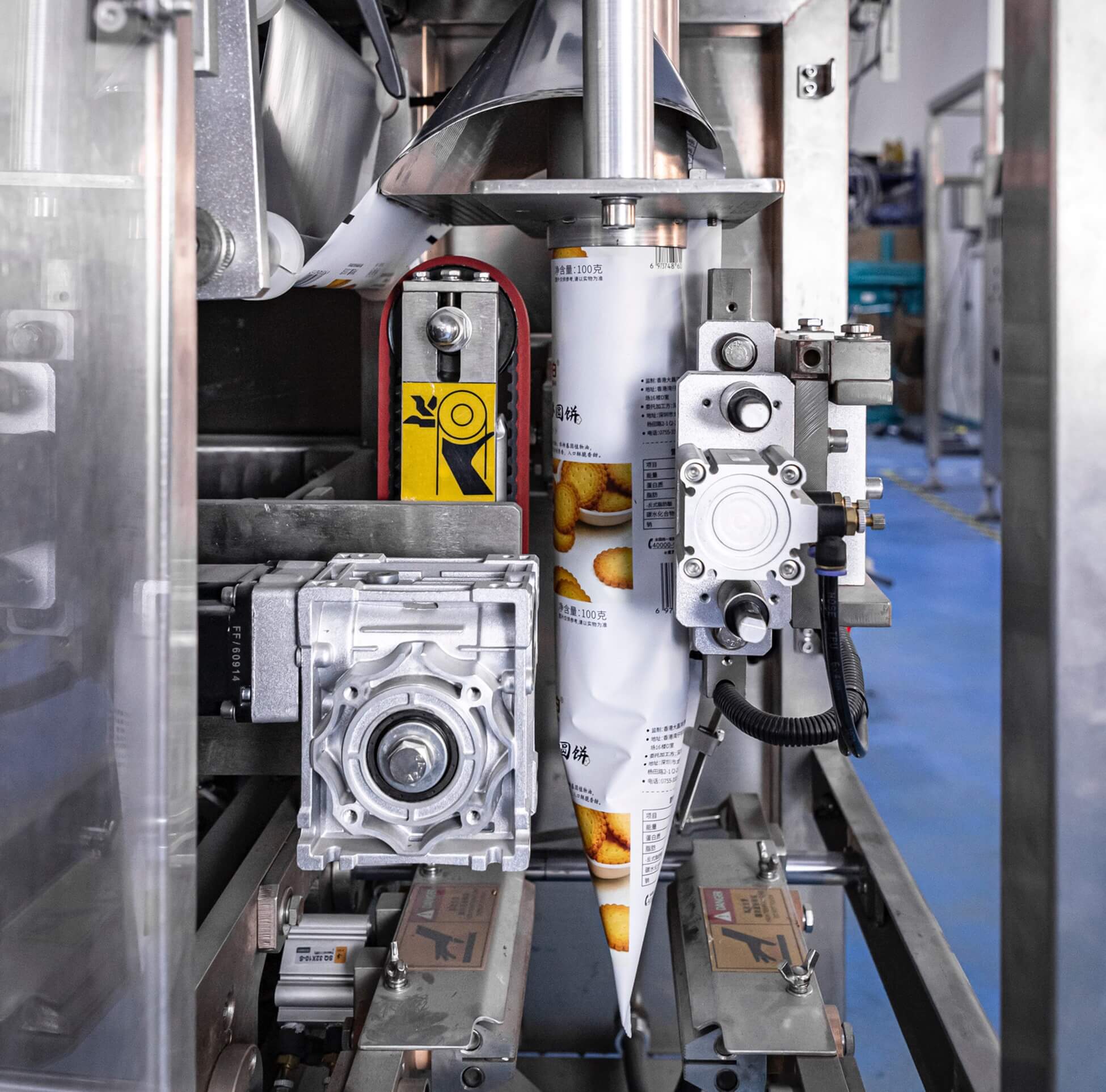
In today’s fast-paced manufacturing industry, efficient packaging solutions play a crucial role in maintaining product quality, reducing costs, and improving productivity. One of the most widely used packaging technologies is the Horizontal Form Fill Seal (HFFS) machine. This advanced packaging equipment has transformed the way products are packaged across industries such as food, pharmaceuticals, cosmetics, and consumer goods.
An HFFS machine is an automated packaging system that forms a package from a roll of flexible film, fills it with a product, and seals it securely in a continuous horizontal process. Unlike manual packaging methods, HFFS machines provide high-speed operation, consistent packaging quality, and reduced labor requirements. Their ability to handle a wide range of products makes them a preferred choice for manufacturers seeking efficiency and reliability.
The working principle of an HFFS machine involves three primary stages: forming, filling, and sealing. First, the packaging film is unwound from a roll and shaped into the desired package structure. Next, the product is accurately placed into the formed package. Finally, the machine seals the package using heat, pressure, or ultrasonic technology, ensuring product safety and freshness. The completed packages are then cut and discharged for further processing or distribution.
One of the key advantages of HFFS machines is their versatility. These machines can package various products, including snacks, frozen foods, bakery items, medical devices, personal care products, and industrial components. Manufacturers can customize package sizes, shapes, and materials according to specific product requirements. This flexibility allows businesses to respond quickly to changing market demands and consumer preferences.
Another significant benefit is increased production efficiency. Modern HFFS machines are designed to operate at high speeds while maintaining precision and consistency. Automated controls and advanced sensors help minimize errors, reduce material waste, and improve overall packaging accuracy. As a result, companies can achieve higher output levels and lower operational costs.
Product protection is also a major advantage of HFFS packaging technology. Proper sealing prevents contamination, moisture intrusion, and product damage during storage and transportation. This is particularly important for food and pharmaceutical products, where maintaining freshness and safety is essential. Enhanced package integrity helps manufacturers meet regulatory standards and maintain customer trust.
In addition to performance benefits, HFFS machines contribute to sustainability efforts. Many modern systems support eco-friendly packaging materials and optimize film usage to reduce waste. By improving material efficiency and minimizing packaging defects, businesses can lower their environmental impact while achieving cost savings.
Technological advancements have further enhanced the capabilities of HFFS machines. Features such as touchscreen interfaces, programmable controls, remote monitoring, and automatic changeover systems make operation simpler and more efficient. These innovations enable manufacturers to maximize productivity while reducing downtime and maintenance requirements.
In conclusion, HFFS machines have become an essential component of modern packaging operations. Their ability to deliver fast, reliable, and flexible packaging solutions makes them invaluable across numerous industries. As automation and sustainability continue to shape the future of manufacturing, HFFS machines will remain at the forefront of packaging innovation, helping businesses improve efficiency, product quality, and overall competitiveness.
