

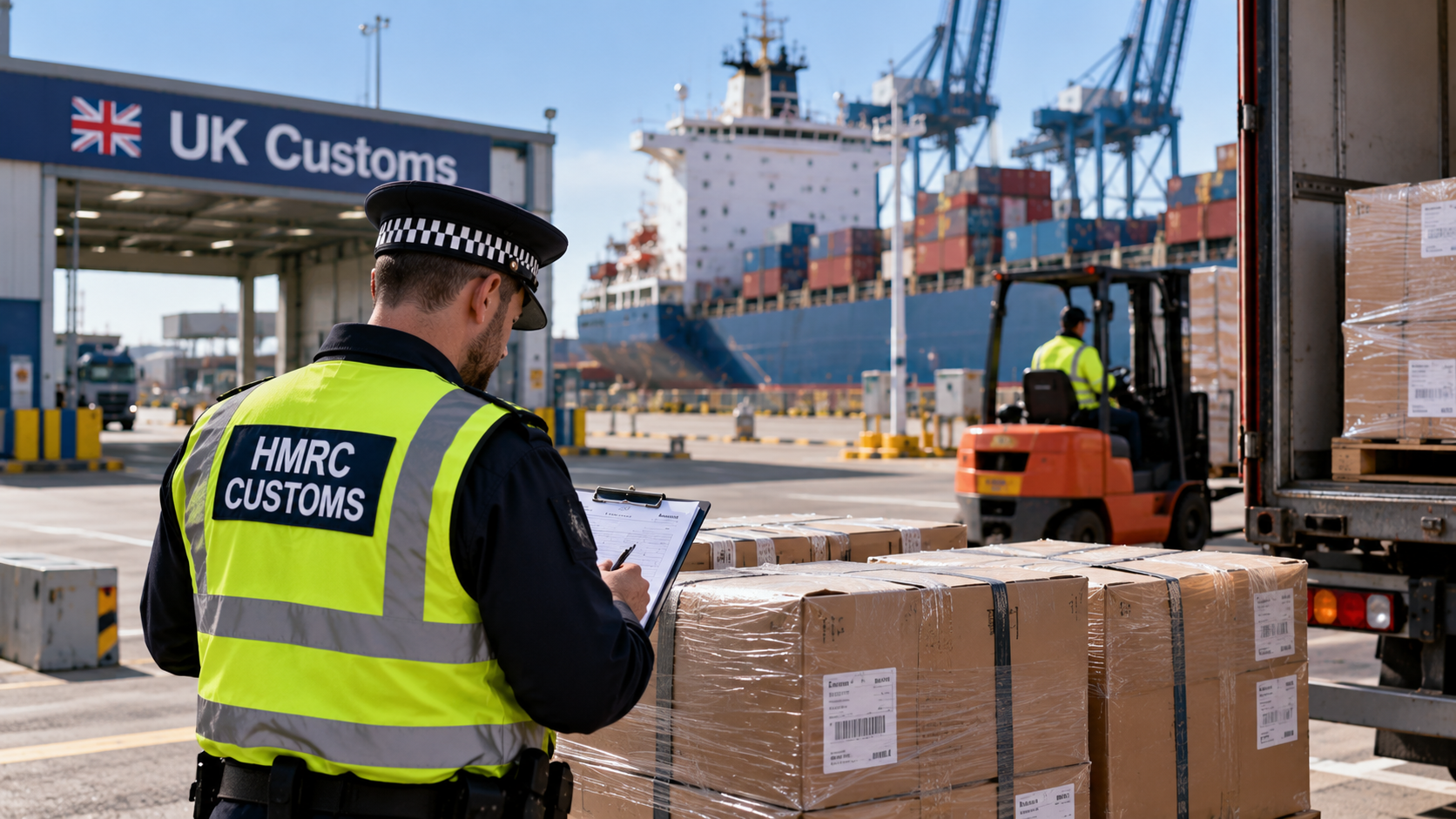
If you are importing or exporting goods into or out of the United Kingdom, understanding the customs clearance process is absolutely essential. Since the UK’s departure from the European Union, the rules surrounding cross-border trade have changed dramatically, and businesses that fail to comply with current regulations risk costly delays, financial penalties, and even the seizure of their goods. Whether you are a seasoned international trader or a small business owner shipping products overseas for the first time, navigating customs clearance UK procedures can feel overwhelming without the right knowledge and guidance.
In this comprehensive guide, we will walk you through every stage of the customs clearance process in the United Kingdom, explain the critical documentation you will need, break down how duties and taxes are calculated, and highlight the most common pitfalls to avoid. By the end of this article, you will have a clear understanding of how to move your goods through UK customs efficiently and legally.
What Exactly Is Customs Clearance?
Customs clearance is the formal process through which goods are declared to the relevant customs authority — in this case, His Majesty’s Revenue and Customs (HMRC) — before they can be legally imported into or exported from the country. The process ensures that all applicable duties, taxes, and regulatory requirements are satisfied before goods are released for domestic distribution or international shipment.
In the context of customs clearance UK, this means submitting accurate declarations, paying any required customs duties and import VAT, and ensuring that your goods comply with all UK product safety, licensing, and labelling standards. Without successful customs clearance, your goods will remain held at the port, airport, or border crossing, accumulating storage fees and potentially spoiling if they are perishable.
Key Documents Required for Customs Clearance UK
Before diving into the step-by-step process, it is important to understand the documentation you will need. Having these documents prepared in advance is the single most effective way to prevent delays during customs clearance UK. The core documents include:
- Commercial Invoice: This document details the transaction between the buyer and seller, including the description of goods, their value, and the terms of sale. HMRC uses this to assess the correct level of duty and VAT.
- Packing List: A detailed breakdown of the contents of each package or container, including weights, dimensions, and quantities.
- Bill of Lading or Air Waybill: The transport document issued by the carrier that serves as proof of the contract of carriage and receipt of goods.
- Certificate of Origin: This certifies the country in which the goods were manufactured and can affect the duty rate applied, especially under preferential trade agreements.
- Import/Export Licences: Certain goods — such as firearms, pharmaceuticals, agricultural products, and dual-use technology — require special licences before they can clear UK customs.
- EORI Number: An Economic Operators Registration and Identification number is mandatory for any business importing or exporting goods between the UK and other countries. You must apply for a UK EORI number through HMRC before your first shipment.
- Customs Declaration (C88/SAD or CDS Entry): The formal declaration submitted to HMRC detailing the goods being imported or exported, their classification, value, and origin.
Step-by-Step Customs Clearance UK Procedures
Step 1: Obtain Your EORI Number
The very first step in the customs clearance UK process is ensuring that your business holds a valid UK EORI number. This unique identifier links your business to HMRC’s customs systems and is required on every customs declaration you submit. If you are a new importer, you can apply for an EORI number online through the GOV.UK website. The process typically takes a few working days, but it is wise to apply well in advance of your first shipment to avoid unnecessary delays.
Step 2: Classify Your Goods Using the UK Trade Tariff
Every product imported into or exported from the UK must be classified under a specific commodity code as defined by the UK Trade Tariff. This code determines the rate of customs duty that applies to your goods, whether any restrictions or licences are required, and whether your products qualify for any preferential duty rates under free trade agreements. Misclassifying your goods is one of the most common errors in customs clearance UK and can result in overpaying duties or facing compliance investigations by HMRC. Take the time to research the correct commodity code carefully, or consult a professional customs broker for assistance.
Step 3: Prepare and Submit Your Customs Declaration
Once your goods arrive at a UK port, airport, or border facility, a customs declaration must be submitted to HMRC. Since January 2022, the UK has transitioned to the Customs Declaration Service (CDS), which has replaced the older CHIEF system. Your declaration must include accurate information about the goods’ description, commodity code, value, weight, origin, and the customs procedure code (CPC) that indicates how the goods will be handled (for example, whether they are entering free circulation, being placed into a customs warehouse, or undergoing inward processing).
Declarations can be submitted by the importer directly or by an authorised customs agent acting on their behalf. Most businesses choose to work with a licensed customs clearance agency to ensure accuracy and compliance.
Step 4: Pay Customs Duties and Import VAT
After your declaration is processed, HMRC will calculate the customs duties and import VAT owed on your shipment. Customs duty rates vary depending on the commodity code and the country of origin, while import VAT is generally charged at the standard rate of 20% on the total value of the goods plus any duty and shipping costs.
Payment must be made before HMRC will release your goods. Many businesses use a Duty Deferment Account, which allows them to consolidate their duty and VAT payments into a single monthly direct debit rather than paying for each individual shipment. This can significantly improve cash flow and speed up the customs clearance UK process.
Step 5: Customs Inspection and Risk Assessment
Not every shipment is physically inspected by HMRC, but all declarations pass through a risk assessment system. If your shipment is flagged for inspection, customs officers may examine the goods to verify that the declaration is accurate, that the goods match their description, and that they comply with all UK regulatory standards. Inspections can be documentary (reviewing your paperwork), physical (opening and examining the cargo), or a combination of both. While inspections can cause delays, having complete and accurate documentation will help the process move as smoothly as possible.
Step 6: Release of Goods
Once all duties and taxes have been paid and any inspections have been satisfactorily completed, HMRC will release your goods for entry into the UK market. Your freight forwarder or haulier can then collect the goods from the port or airport and deliver them to your warehouse or distribution centre. At this point, the customs clearance UK process is complete for that shipment.
Post-Brexit Changes That Affect Customs Clearance UK
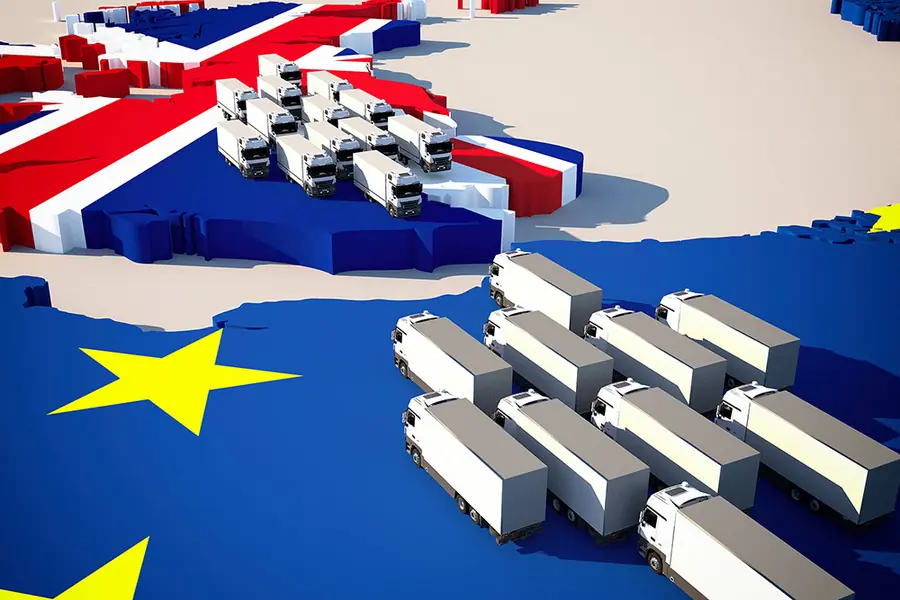
It is impossible to discuss customs clearance UK without addressing the significant changes brought about by Brexit. Since 1 January 2021, goods moving between the UK and the EU are subject to full customs controls, including declarations, duties, and VAT. This represents a fundamental shift from the frictionless trade that previously existed under EU single market rules.
Additionally, new rules of origin requirements mean that businesses must prove where their goods were manufactured to qualify for zero-tariff treatment under the UK-EU Trade and Cooperation Agreement. Sanitary and phytosanitary (SPS) checks on food, plants, and animal products have also been introduced, adding another layer of complexity for importers in these sectors.
Staying up to date with evolving regulations is critical, as HMRC continues to implement new controls and digital systems that affect how customs clearance UK operates in practice.
Common Mistakes to Avoid During Customs Clearance
Even experienced traders can make errors that lead to delays and additional costs. Some of the most frequent mistakes in customs clearance UK include:
- Incorrect commodity codes: As mentioned earlier, misclassification can lead to wrong duty payments and compliance issues.
- Incomplete or inaccurate documentation: Missing invoices, incorrect values, or absent certificates of origin will almost certainly trigger delays.
- Failure to obtain required licences: Importing restricted goods without the proper authorisation can result in seizure and legal action.
- Underestimating lead times: Customs clearance is not instantaneous. Failing to account for processing times can disrupt your supply chain.
- Not using a professional customs agent: Attempting to handle complex declarations in-house without adequate expertise is a recipe for costly errors.
Professional Customs Clearance UK Services by DCP Logistics Group
For businesses looking for a reliable, experienced, and fully compliant partner to handle their customs clearance UK requirements, DCP Logistics Group stands out as one of London’s most trusted customs clearance agencies. Based in the heart of London, DCP Logistics Group has built a strong reputation for helping importers and exporters of all sizes navigate the complexities of UK customs regulations with confidence and ease.
DCP Logistics Group offers a comprehensive suite of customs brokerage services that cover every stage of the clearance process. From obtaining your EORI number and classifying your goods under the correct commodity codes to preparing and submitting CDS declarations, calculating duties and VAT, and liaising directly with HMRC on your behalf, their team of licensed customs professionals handles everything so you can focus on running your business.
What sets DCP Logistics Group apart is their deep understanding of post-Brexit trade regulations and their proactive approach to compliance. Their specialists stay continuously updated on the latest changes to UK customs law, tariff schedules, and trade agreements, ensuring that your shipments are always cleared under the most current rules. Whether you are importing electronics from Asia, textiles from South America, or food products from the EU, DCP Logistics Group has the sector-specific expertise to manage your customs clearance UK efficiently and cost-effectively.
In addition to customs brokerage, DCP Logistics Group provides integrated logistics solutions including freight forwarding, warehousing, and last-mile delivery, making them a true one-stop shop for your entire supply chain. Their London location gives them strategic access to major UK ports and airports, enabling faster turnaround times and more responsive service.
If you are an importer looking to streamline your operations, reduce the risk of customs delays, and ensure full regulatory compliance, we strongly encourage you to contact DCP Logistics Group today. Their friendly and knowledgeable team will be happy to discuss your specific requirements and provide a tailored customs clearance solution that fits your business needs and budget. Do not let customs complexity hold your business back — partner with DCP Logistics Group and experience the difference that professional customs clearance UK expertise can make.
Final Thoughts
Navigating customs clearance UK does not have to be a stressful or confusing experience. By understanding the step-by-step procedures outlined in this guide, preparing your documentation thoroughly, classifying your goods correctly, and paying the appropriate duties and taxes on time, you can ensure that your shipments move through UK customs quickly and without unnecessary complications.
However, the reality is that customs regulations are complex, constantly evolving, and unforgiving of mistakes. For most businesses, the smartest investment they can make is partnering with a professional customs clearance agency that can handle the entire process on their behalf. With the right support, you can avoid costly delays, minimise your duty liabilities, and keep your supply chain running smoothly.
Take the first step toward hassle-free importing and reach out to DCP Logistics Group in London to learn how their expert customs clearance UK services can benefit your business. Your goods deserve to clear customs quickly, and your business deserves a partner you can trust.
