

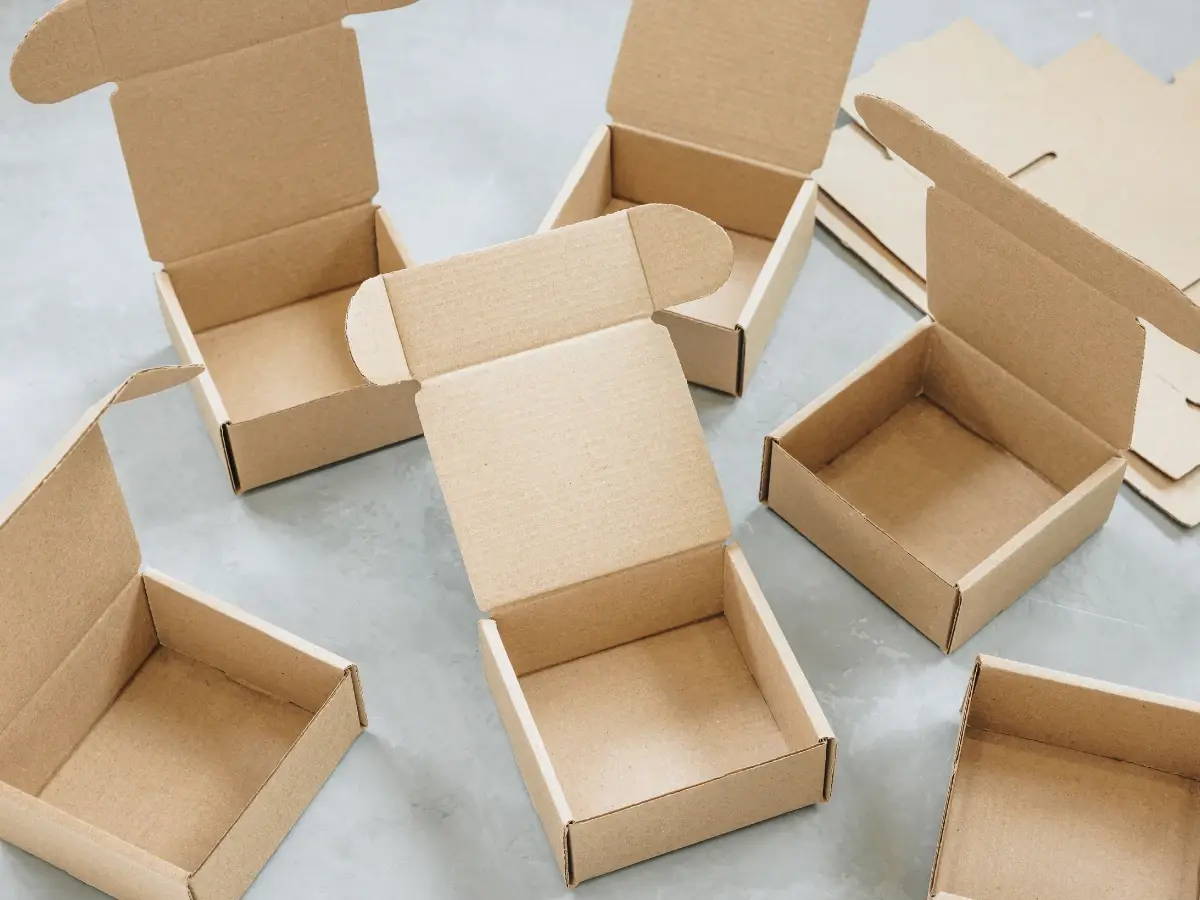
Packaging has an important job to do long before a product reaches the customer. It must protect the contents, simplify handling, support storage, and, in many cases, create a positive first impression. For businesses managing retail stock, e-commerce orders, or regular product deliveries, the right packaging design can make everyday operations more efficient.
While traditional cardboard cartons remain useful for general shipping, some products benefit from packaging that is shaped and folded to suit a particular purpose. Die-cut corrugated boxes are a practical option because their panels, folds, and closures are formed to create a specific structure. This can make assembly more straightforward and help produce a neat, consistent finish.
Among the available designs, FEFCO 0427 is associated with a wraparound-style box made from a die-cut blank. Its construction allows the packaging to fold around the product, creating a compact format that can be useful for retail presentation, storage, and transit. Understanding how this design works can help businesses decide whether it suits their packaging requirements.
What Makes Die-Cut Packaging Different?
Conventional slotted cartons are generally assembled by folding panels and securing the top and bottom flaps. Die-cut packaging uses a cutting pattern designed for a particular box style. The blank includes predetermined creases and panels that guide assembly, helping the material fold into the intended shape.
This approach offers greater flexibility in packaging design. Depending on the chosen structure, a die-cut box may include integrated flaps, locking sections, shaped edges, or other features that reduce the need for separate components.
The FEFCO code system helps businesses identify standard corrugated packaging designs using a recognised numbering structure. Instead of relying on vague descriptions, buyers can refer to a specific style when discussing packaging requirements with suppliers.
For businesses exploring fefco 0427 boxes, the main attraction is the combination of a formed, die-cut structure and a wraparound format. The precise fit, closure method, and protective performance will depend on the box dimensions, board grade, and product being packed.
Easier Assembly for Busy Packing Teams
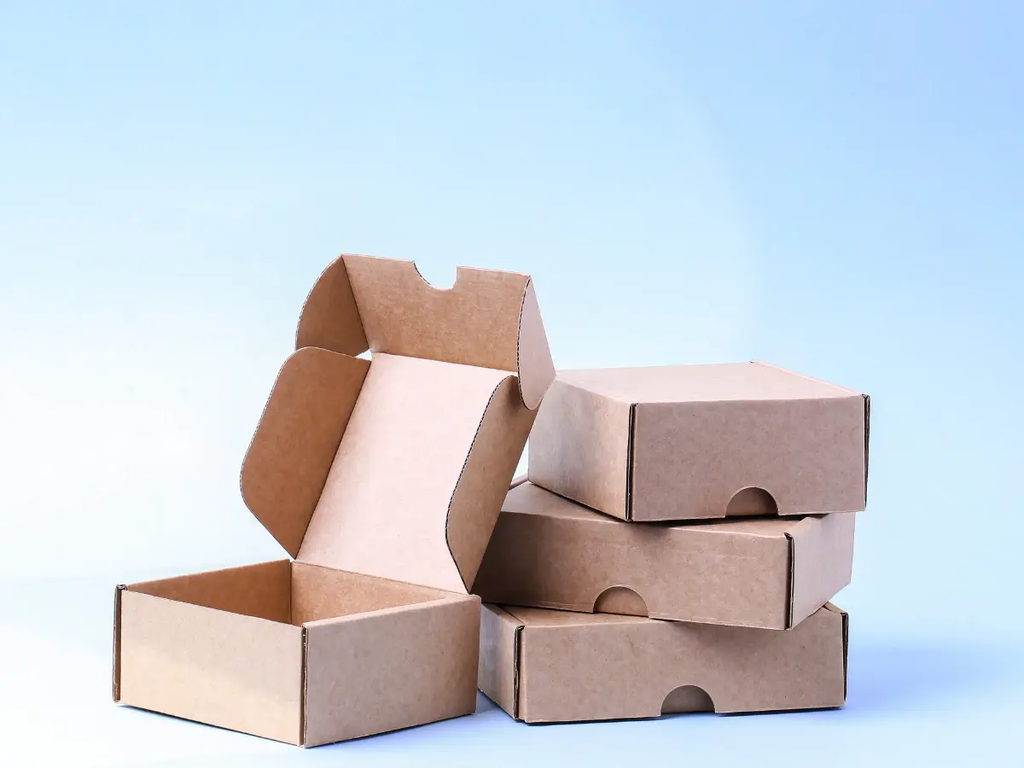
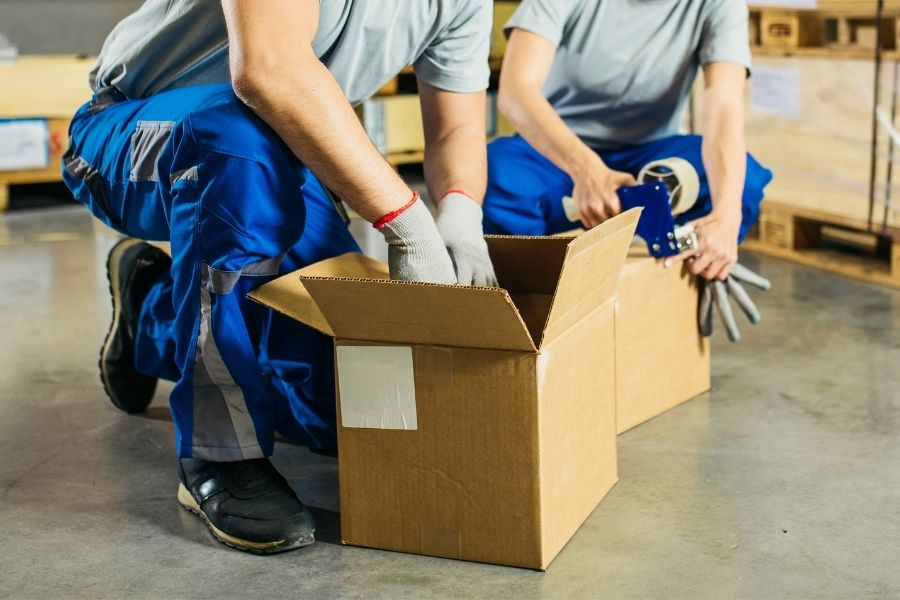
Packing speed matters when a business handles a steady flow of orders. Even a small delay in preparing each carton can add up when multiplied across a busy shift. Packaging that folds along defined creases can help workers assemble boxes more consistently and reduce the need for complicated manual adjustments.
Die-cut designs are often supplied flat, which helps conserve storage space before use. Staff can take the required blanks from storage and assemble them as orders are prepared. This is particularly helpful for businesses that need to maintain a tidy packing area or work with limited warehouse space.
A consistent assembly process can also make staff training easier. When a box follows a predictable folding pattern, employees can learn the correct method and repeat it across multiple orders. Clear procedures help reduce incorrectly folded cartons, poorly aligned closures, and unnecessary material waste.
However, assembly speed depends on more than the box design alone. Product positioning, packing-station layout, staff experience, and closure methods all influence the overall process. Businesses should test a proposed packaging style with their normal packing routine before assuming it will deliver substantial time savings.
Balancing Product Protection With a Compact Fit
A box should fit the product closely enough to prevent unnecessary movement while leaving sufficient room for any protective materials required. An oversized carton may need additional void fill, while a box that is too tight can place pressure on the product or make closure difficult.
A wraparound design can be useful when the packaging needs to fold around an item in a controlled way. With the correct dimensions, the panels can create a snug fit and help keep the product in position. This may be beneficial for flat products, retail goods, printed materials, and other items suited to the chosen format.
The key is to match the box to the product rather than selecting packaging based on appearance alone. Businesses should account for the product’s length, width, height, weight, and shape, as well as any accessories or inserts that need to be included.
Fragile products may require additional cushioning, dividers, or protective wrapping. Heavier items may need a stronger corrugated board specification. A die-cut structure does not automatically guarantee better protection than a conventional carton; its performance depends on the design, materials, and conditions encountered during handling and transport.
Creating a Neater Retail Presentation
Packaging often forms part of the customer’s first physical interaction with a product. A carton that looks tidy, opens easily, and holds its contents securely can contribute to a more positive experience.
For retail businesses, presentation can be particularly important when products are sold as gifts, displayed on shelves, or delivered directly to consumers. A well-designed die-cut box can create a cleaner appearance than a carton with excessive flaps, loose packaging material, or poorly fitted inserts.
The structure may also make it easier to arrange products consistently within a larger shipment. When cartons have predictable dimensions, warehouse teams can organise them more efficiently and retail staff may find them easier to handle.
Packaging should still reflect the product and its intended audience. A premium appearance is useful, but it should not come at the expense of adequate protection or practical handling. The most effective design combines a suitable fit, dependable closure, and presentation appropriate to the product.
Supporting Efficient Storage and Distribution
Storage costs are influenced by how much space products and packaging occupy. Flat-packed corrugated blanks can help businesses store packaging materials without using the space required for fully assembled cartons. This is valuable for smaller warehouses, retail back rooms, and businesses with fluctuating order volumes.
Once assembled, consistent box dimensions can also help with stock organisation and shipment planning. Staff may find it easier to group similar orders, organise cartons on shelves, and estimate how packages will fit into delivery vehicles.
For businesses shipping products in larger quantities, packaging dimensions can affect pallet layouts and stacking stability. A suitable design can support orderly loads, but it is important to test the complete packing configuration rather than assume that a particular box style will stack well in every situation.
Environmental conditions matter too. Corrugated board can lose strength when exposed to moisture, so packaging should be stored in a dry environment and protected from damage before use. Boxes should also be stacked within appropriate limits to avoid crushing or deforming the blanks.
Considering Material Use and Sustainability
Businesses are increasingly looking for ways to reduce unnecessary packaging without compromising product safety. Die-cut designs can help create packaging that is tailored to a particular item, potentially reducing excess space and the need for additional filling materials.
The actual material savings will depend on the dimensions, board specification, and packaging process. A design that fits one product well may be unsuitable for another, so businesses should evaluate their most common product sizes before standardising a new format.
Corrugated cardboard is widely recyclable where suitable collection facilities are available. Keeping packaging clean and dry can help it remain suitable for recycling, although local waste-management requirements should always be followed.
Reducing product damage is another part of responsible packaging. When an item arrives broken, the replacement process may involve extra materials, transport, and labour. Selecting a suitable box and testing it under realistic conditions can help limit these avoidable costs.
How to Decide Whether a Die-Cut Box Is Right for Your Business
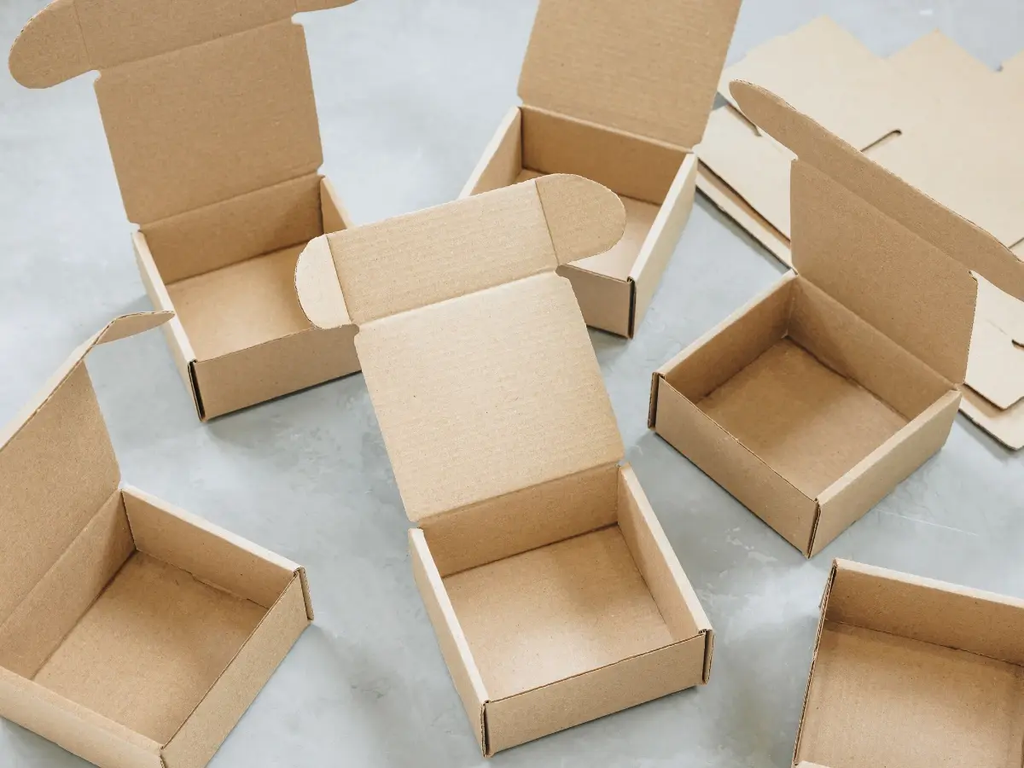
Before choosing a packaging style, businesses should look at how their products are packed, stored, and transported. A simple assessment can help identify whether a die-cut format offers practical advantages over an existing carton.
Start by reviewing the product’s dimensions and weight. Consider how much protection it needs, whether it requires internal inserts, and how the finished package will be opened and closed. It is also worth checking whether the box can be assembled quickly by the people who will use it every day.
Next, consider order volumes and storage arrangements. A packaging design that works well for occasional shipments may not be the best choice for a high-volume operation. Businesses handling many orders should test assembly time, closure reliability, and the consistency of the finished package.
Finally, carry out a trial using real products and representative shipping conditions. Check for movement inside the box, damage to corners or edges, and any signs of the carton opening or losing its shape. Feedback from packing staff and customers can reveal issues that may not be obvious during the initial design stage.
Conclusion
Die-cut corrugated packaging offers businesses a practical way to combine a tailored structure with straightforward handling and an attractive finish. A suitable wraparound design can support efficient assembly, compact storage, and consistent presentation for products that fit its format.
However, the best results come from choosing packaging based on real operational needs. Product dimensions, board strength, closure security, protective materials, and transport conditions should all be considered before a new box style is adopted.
By testing packaging under realistic conditions and reviewing how it performs throughout the fulfilment process, businesses can make more informed decisions. The right design can help simplify daily packing tasks, protect products, and create a more consistent experience from dispatch to delivery.
