

Introduction
Farmers’ markets are built around freshness, conversation, and local connection. Customers visit because they want something different from a standard grocery trip. They want to meet growers, discover seasonal produce, support small makers, and enjoy a slower, more personal shopping experience.
But even at a friendly market, the customer experience can suffer if a booth feels confusing, crowded, or hard to shop. When produce is difficult to see, prices are unclear, or purchases are awkward to carry, customers may move on faster than expected. Small improvements can make a vendor’s booth more inviting and easier to buy from.
Make the Booth Easy to Understand Quickly
Market shoppers often walk through many stalls before deciding where to stop. A clear booth layout helps them understand what is available in just a few seconds. Products should be grouped logically, prices should be visible, and best-selling items should be easy to reach.
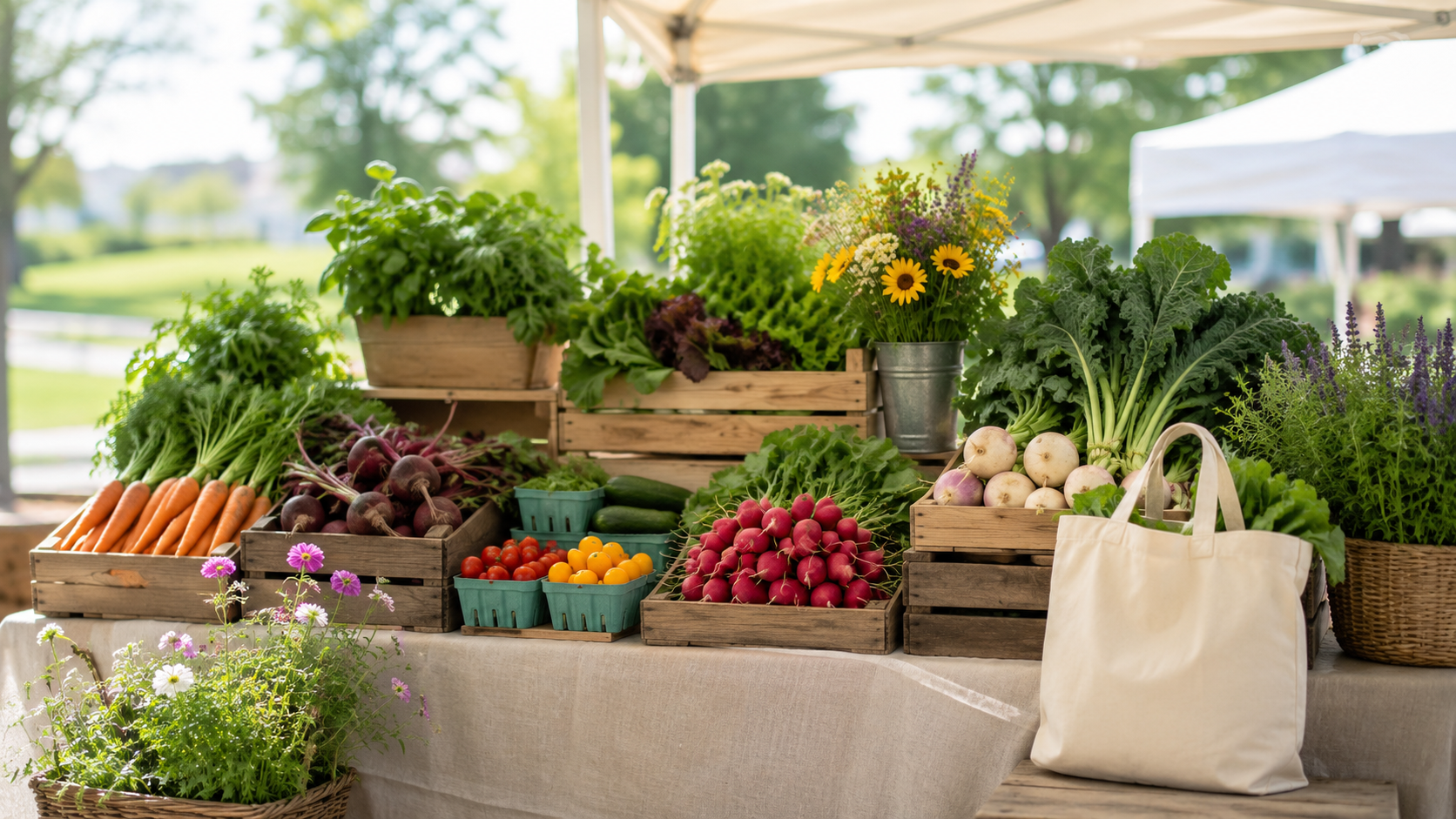
A good display does not need to be fancy. Clean crates, simple signs, and well-arranged products can make a booth feel abundant and trustworthy. Customers should not have to ask for every price or guess what something is.
When the shopping process feels easy, people are more likely to buy more than one item.
Help Customers Carry Their Purchases Comfortably
One of the biggest challenges at farmers’ markets is carrying purchases. Customers may buy bread from one stall, flowers from another, produce from a third, and jars or bottles somewhere else. If carrying becomes inconvenient, they may stop shopping earlier.
This is where practical packaging matters. Vendors can improve the experience by offering sturdy bags or encouraging customers to bring reusable ones. Some brands and small businesses use Custom Tote Bags as part of their market setup because they are useful, simple, and fit the local-shopping atmosphere well.
For vendors selling heavier or multiple items, reliable Wholesale Shopping Bags can also make checkout smoother. A good bag helps customers continue browsing without worrying about dropped or damaged purchases.
Create a More Personal Buying Moment
Farmers’ market customers often enjoy conversation. They may want to know where the produce was grown, how to cook an unfamiliar vegetable, or how long a handmade item will last. Vendors can improve the experience by offering small, useful details during the sale.
This does not mean talking too much to every shopper. A short suggestion can be enough: “These peaches are best eaten today,” or “That herb works well with roasted potatoes.” These practical comments make the purchase feel more valuable.
Recipe cards, simple care tips, or small product notes can also help customers feel more confident about what they are buying.
Keep Checkout Fast but Friendly
Market checkout should feel casual, but it still needs to move smoothly. Long waits can discourage customers, especially if the booth is crowded. Vendors should keep payment tools ready, have change prepared, and organize bags or packaging before peak hours.
If possible, create a clear spot for customers who are ready to pay. This reduces confusion between people browsing and people waiting. A smoother checkout makes the booth feel more professional without losing its personal charm.
Think About the Customer’s Whole Market Trip
A vendor’s booth is only one part of the customer’s market visit. Customers may be walking in the sun, carrying children’s items, balancing coffee, or shopping with limited time. Anything that makes the process easier will be appreciated.
Small touches can help:
- Offer simple cooking ideas.
- Keep fragile items protected.
- Place heavier items at an easy lifting height.
- Use clear product labels.
- Make bags easy to carry.
These details show that the vendor has thought about the customer’s experience beyond the sale.
Conclusion
Farmers’ market vendors can improve customer experience through clarity, comfort, and small acts of helpfulness. A well-arranged booth, visible pricing, friendly product knowledge, and practical carryout options can make shoppers feel more confident and relaxed.
When customers enjoy the buying process, they are more likely to return, recommend the vendor, and make the market visit part of their routine.
