

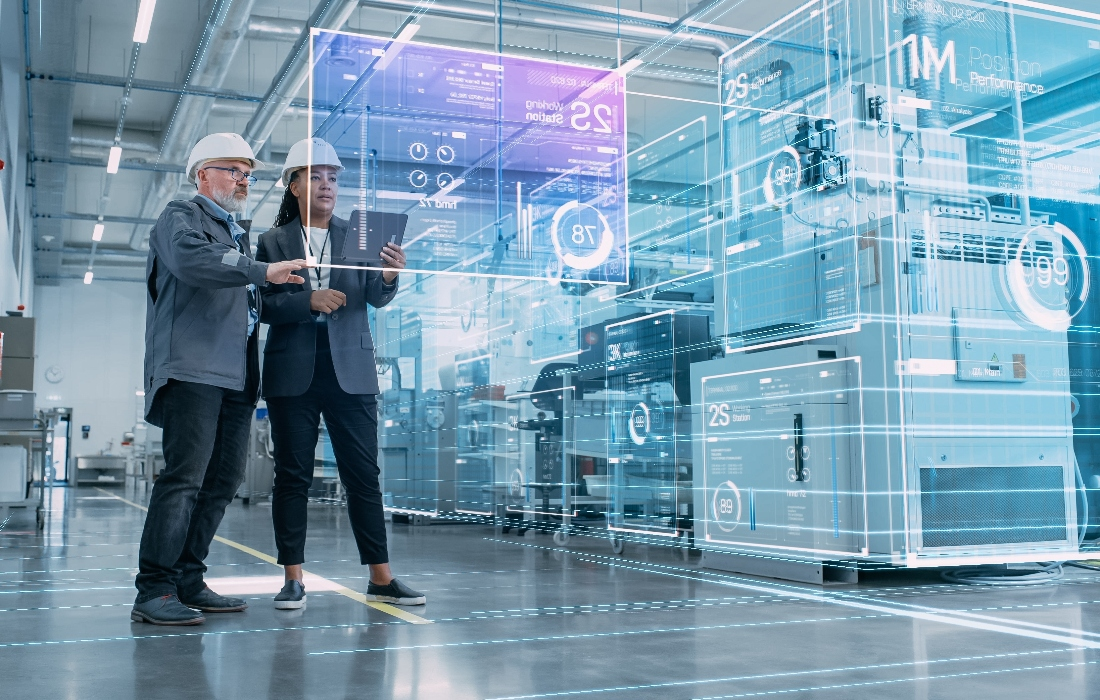
Manufacturing is undergoing a fundamental shift. Rising customer expectations, supply chain complexity, labour challenges and pressure to improve operational efficiency are encouraging manufacturers to rethink how their factories operate. At the centre of this transformation are manufacturing IT solutions, which connect people, machines, data and processes to create more intelligent and responsive operations.
Unlike traditional manufacturing systems that often operate in silos, modern digital technologies enable manufacturers to access real-time information, automate processes and make faster, data-driven decisions. This is helping organisations move towards connected, agile and intelligent factories.
From Connected Machines to Smart Manufacturing
One of the biggest changes in modern manufacturing is the growing adoption of manufacturing solutions. By combining Industrial Internet of Things (IIoT), cloud platforms, analytics, artificial intelligence and connected equipment, manufacturers can create a more comprehensive view of their operations.
Sensors embedded in machines can continuously capture information related to equipment performance, production output and operating conditions. When this data is integrated with enterprise and operational systems, manufacturers can identify inefficiencies, monitor performance and respond to potential problems before they affect production.
LTM’s manufacturing capabilities focus on connecting operations, data and intelligent automation to help enterprises build more responsive and efficient manufacturing environments.
Automation Is Moving Beyond Repetitive Tasks
Automation is no longer limited to robotics performing repetitive activities on a production line. Today, automated manufacturing systems can support quality monitoring, predictive maintenance, production planning, inventory management and other critical processes.
Modern manufacturing automation solutions can also integrate operational technology (OT) with information technology (IT), allowing organisations to create a connected flow of information between the factory floor and enterprise systems. This IT-OT convergence can provide decision-makers with real-time visibility while enabling production teams to respond more quickly to changing conditions.
For example, AI-powered analytics can identify patterns in production data that may indicate equipment deterioration. Predictive maintenance teams can then intervene before a failure results in significant downtime.
AI and Data Are Creating More Intelligent Factories
Data has become one of manufacturing’s most valuable assets. However, collecting data alone does not create business value. Manufacturers need the right technology infrastructure and analytical capabilities to turn large volumes of operational data into actionable insights.
AI and advanced analytics can help optimise production, improve asset utilisation, identify quality issues and support faster decision-making. Digital twins and simulation technologies can further connect physical and digital environments, allowing manufacturers to evaluate processes and identify opportunities for continuous improvement.
This evolution represents an important transition: factories are moving from simply automated environments to systems that can analyse, learn and adapt.
Digital Transformation Across Industries
The principles behind manufacturing IT are also influencing other industries. Travel technology Solutions, for example, use connected platforms, AI and data to improve operational efficiency and customer experiences across travel and transportation. Similarly, healthcare IT solutions are helping organisations modernise operations and make information more accessible across complex healthcare ecosystems.
The growing use of AI in life sciences demonstrates another important trend: intelligent technologies are increasingly being applied to highly specialised industries where data, automation and decision-making can create significant value.
These developments highlight a broader shift towards digitally enabled business models, where technology becomes an integral part of operational strategy rather than simply an IT function.
Building the Factory of the Future
Successful manufacturing transformation requires more than implementing individual technologies. Organisations need a connected strategy that brings together cloud, data, AI, automation, cybersecurity, enterprise applications and operational systems.
LTM helps manufacturers explore this transformation through smart manufacturing, Industry 4.0, data modernisation and next-generation IT operations. Its approach focuses on creating connected ecosystems that can improve operational performance while supporting long-term innovation.
Ultimately, manufacturing IT solutions are helping businesses move from reactive operations towards predictive, connected and intelligent manufacturing. As technologies continue to evolve, organisations that successfully combine human expertise with automation, AI and real-time data will be better positioned to improve resilience, efficiency and competitiveness.
For businesses looking beyond traditional digital transformation, It’s time to Outcreate by LTM and build manufacturing operations designed for what comes next.
