

Studio design used to follow a predictable pattern. A room, a set of stands, a stack of paper rolls, and enough floor space to swap them out between sessions. That formula worked well enough for decades, but it was never really efficient. Every backdrop change interrupted the flow of a shoot, ate into billable hours, and physically dominated whatever space was supposed to feel like a creative environment. Something had to change, and it has.
Motorized backdrop systems are quietly transforming how studios operate. With a wall or ceiling mount and a simple remote, photographers can now cycle through multiple background options in seconds, keep unused rolls out of sight, and reclaim floor space that used to belong to stands and clutter. The change looks small on paper. In practice, it reshapes the tempo of every session and lets the room feel more like a purposeful workspace and less like a storage closet with a camera pointed at one corner. Understanding what these systems offer, and how to choose the right one, is worth any studio owner’s attention.
What Motorized Backdrop Systems Bring to the Table
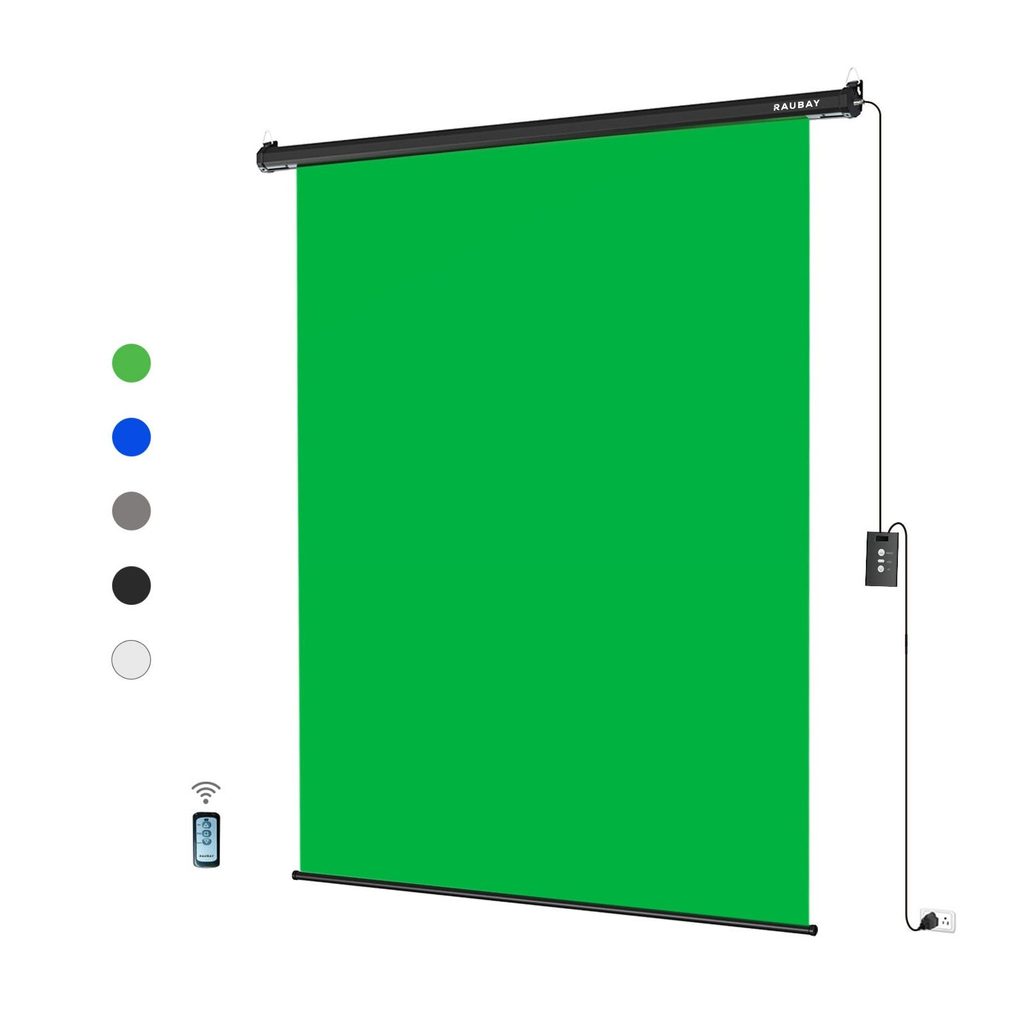
The core promise is simple: press a button, get the background you need. A well-designed motorized photography backdrop system holds multiple rolls in a compact housing, either wall or ceiling mounted, and lowers only the one you select. When you finish that setup, another button retracts it and you can lower a different color, texture, or material. A properly installed motorized photography backdrop setup eliminates the manual labor and physical footprint that traditional stand-based systems require, which changes what a single studio can offer clients within a limited space.
Speed Between Setups Changes Session Economics
A traditional backdrop change involves clearing the shooting area, moving stands, rolling out the new material, and adjusting for level tension. Ten minutes minimum, often longer when working alone. With a motorized system, the same change happens in under thirty seconds without leaving the camera position. Multiply that difference across a busy day and the arithmetic becomes obvious. More completed setups per hour, less client waiting, better use of the studio itself.
Space Reclamation in Small Studios
Home studios and boutique commercial spaces feel the physical footprint of traditional backdrop storage acutely. Rolls need to lean somewhere, stands need clearance, and the visual clutter never really goes away. A motorized system relocates all of that overhead, literally, freeing floor space for actual work and giving the studio a cleaner, more professional appearance when clients arrive.
Choosing Between Wall and Ceiling Installations
Both installation styles have real advantages and the right choice depends on your space and how you work. Wall-mounted systems are easier to install because they attach to standard framing at reachable heights. They also allow easier access for changing rolls, which matters when you want to swap out a color that has seen too much use. The trade-off is that wall mounts require a specific wall area free of obstructions, which is not always available in shared or multi-purpose spaces.
Ceiling Installations for Maximum Cleanliness
Ceiling-mounted systems disappear entirely when retracted, leaving the studio looking like a blank canvas rather than a room full of equipment. This is the setup professional photographers tend to prefer for client-facing spaces because the visual clean lines translate directly into a more polished first impression. Installation is more involved because it requires solid attachment points overhead and adequate ceiling height for the housing plus fully deployed screens.
Number of Rolls to Plan For
Most motorized systems support anywhere from two to six rolls in a single housing. Two-roll units suit specialists who mostly shoot with one or two consistent backgrounds. Larger multi-roll systems suit generalists who need quick access to a wider palette of colors and textures. Buying more capacity than you need adds cost and installation complexity, but running out of slots and having to install a second housing later is worse. Plan for one or two extra slots beyond your current library to accommodate future growth.
Remote Controls and Automation Features
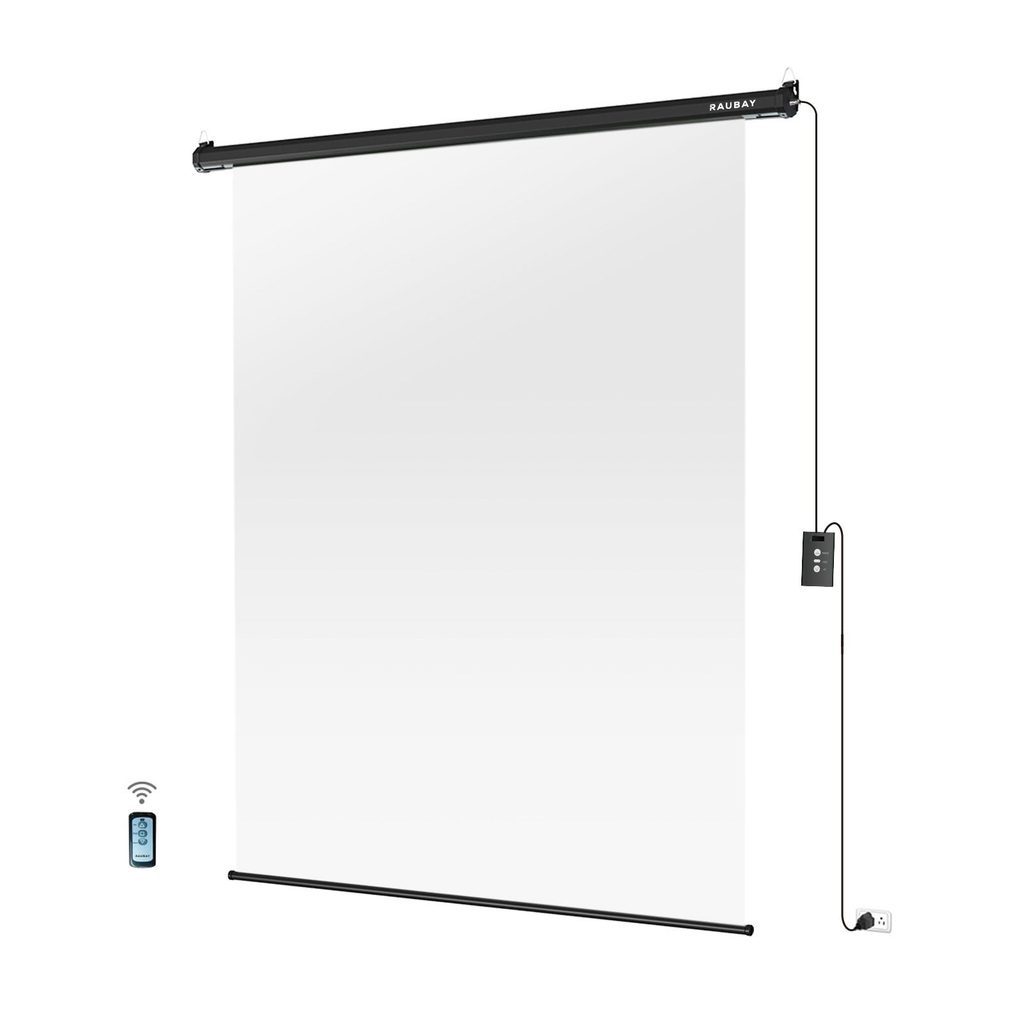
The heart of any motorized system is how you actually operate it. Basic units come with a simple wired or wireless remote that raises and lowers each roll independently. More sophisticated systems from brands like Raubay add features that turn the backdrop into a genuinely automated element of the studio. Programmable presets let you save specific deployment positions for consistent framing across sessions. Some systems integrate with studio automation to coordinate with lighting cues or camera triggers.
Motor quality matters more than the feature list. A cheap motor might work for the first six months and then start slipping, jerking, or failing to hold position under load. Look for units with warrantied motors, replaceable parts, and clear specifications about weight capacity for each roll. A single failing motor should not require replacing the entire system, so modular designs earn their higher upfront cost through longer serviceable life. Consider these questions before committing:
- What is the maximum roll weight the motor can handle reliably
- Are replacement motors available if one fails after warranty
- Does the remote work through walls or only line of sight
- Can the system be expanded later or is it a fixed configuration
Common Pitfalls During Installation and Setup
Motorized backdrop systems are heavier than they look once fully loaded with rolls. Installations that fail typically fail because the mounting points were not rated for the full loaded weight, especially in ceiling installations where drywall alone will not hold the assembly. Locate joists or use appropriate structural anchors rated well above the total system weight. Wiring is the other common issue. Plan the power routing before drilling anything, and confirm the remote signal reaches from your typical shooting positions. A perfectly installed unit that requires you to walk across the room every time you want to change backgrounds defeats much of the point.
A Quiet Revolution in Studio Efficiency
Motorized backdrop systems are not new technology, but their adoption in small and mid-sized studios is accelerating for good reasons. The efficiency gains are real, the space recovery is meaningful, and the client-facing improvement in studio presentation is immediate. For photographers considering the investment, the honest answer is that these systems pay themselves off through recovered time and expanded booking capacity, not through any single dramatic advantage. Small improvements compound quickly when they touch every session, every day. If your current backdrop workflow feels like a bottleneck, treating the change to a motorized system as infrastructure rather than luxury will reshape how your studio operates in ways that become obvious only after you stop working the old way.
