

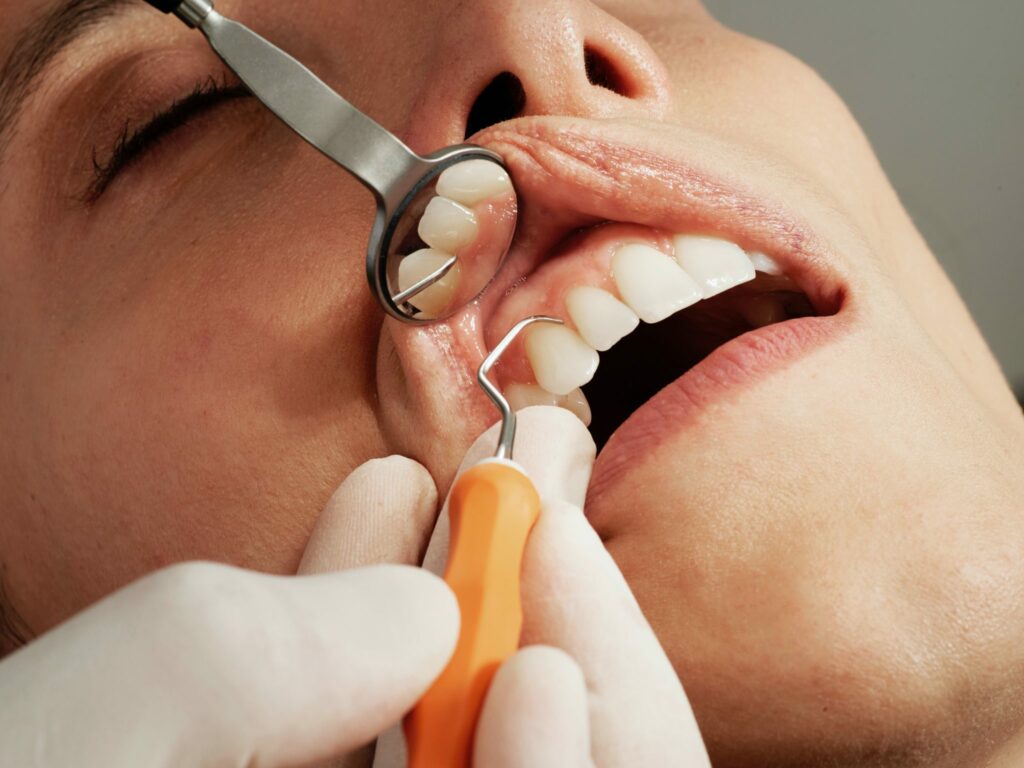
Six months feels like the number everyone repeats without really questioning it, but that timeline isn’t universal, and following it blindly can mean either overspending on visits you don’t need or waiting too long between ones you actually do. A dental check up schedule should reflect your personal risk factors rather than a generic rule stamped on every reminder postcard. Some people genuinely need the standard twice-a-year visit, while others are better served by a completely different interval.
This guide breaks down exactly how often different groups of people should book a check up, why the six-month rule became the default in the first place, and how to figure out where you personally fall on that spectrum.
Where the Six-Month Rule Actually Came From
A Marketing Slogan, Not a Medical Standard
The twice-a-year recommendation didn’t originate from a landmark clinical study. It traces back largely to early toothpaste advertising in the mid-twentieth century, which popularized the phrase as a simple, memorable message rather than a precise medical guideline. Dental associations later adopted a similar general recommendation, but always with the understanding that individual risk should adjust the interval.
Why It Still Works as a Reasonable Default
Even though it wasn’t born from rigorous research, six months isn’t a bad general starting point. It’s frequent enough to catch most cavities and gum issues before they become serious, while not so frequent that it becomes an unnecessary burden for people with generally healthy, low-risk mouths.
What Actually Determines Your Ideal Frequency
Your Personal Cavity and Gum Disease History
Patients with a track record of frequent cavities, ongoing gum disease, or recent dental work typically need more frequent monitoring than someone with a clean history and strong oral hygiene habits. A dentist who has flagged early gum recession or bone loss will often recommend checking back sooner than the standard six-month mark.
Lifestyle and Health Factors
Smoking, frequent snacking on sugary or acidic foods, dry mouth from medication, and conditions like diabetes all increase the risk of dental problems developing between visits. Pregnancy also temporarily raises gum disease risk due to hormonal changes, which is why many dentists recommend closer monitoring during that period.
Age-Related Differences
Children’s teeth develop and shift quickly, and cavities can progress faster in primary teeth than in adult teeth, which is part of why pediatric dentists often stick closely to a six-month schedule. Older adults may need more frequent visits too, particularly if they have crowns, bridges, or dentures that require regular fit and condition checks.
Recommended Check Up Frequency by Group
Rather than applying one blanket rule, it helps to see how recommended intervals shift across different patient profiles.
- Children and teens generally benefit from a check up every six months, since their teeth and jaws are still developing and cavities can progress quickly
- Healthy adults with no cavities or gum issues in recent years may be able to stretch to once a year, based on their dentist’s assessment
- Adults with a history of cavities, gum disease, or ongoing dental work are usually advised to stick with a check up every six months
- High-risk patients, including smokers, those with diabetes, or anyone undergoing orthodontic treatment, may need a check up every three to four months
- Pregnant patients are often advised to schedule an additional check up during pregnancy due to increased gum disease risk
Signs You Might Need to Come in Sooner
Physical Warning Signs Worth Acting On
Bleeding gums during brushing, persistent bad breath, tooth sensitivity to hot or cold, or a visible chip or crack are all reasons to book an appointment ahead of your scheduled interval rather than waiting it out. These symptoms often indicate a problem that’s already progressed past the early stage a routine check up would normally catch first.
When Life Changes Should Trigger a Visit
Starting a new medication, being diagnosed with a condition like diabetes, becoming pregnant, or beginning orthodontic treatment are all reasonable triggers to check in with your dentist about whether your usual interval still makes sense, even if your next scheduled visit is still months away.
Getting a Personalized Recommendation
Since risk factors vary so much from person to person, the most reliable way to determine your ideal interval is a direct conversation with your dentist rather than relying on a generic rule found online. Clinics such as Nuffield Dental typically assess a patient’s cavity history, gum health, and lifestyle factors during the first visit and use that information to recommend a personalized check up schedule rather than defaulting everyone to the same six-month interval.
Settling on the Right Schedule for You
There’s no single correct answer to how often you should get a dental check up, and that’s genuinely the point. Your ideal interval depends on your cavity history, gum health, lifestyle habits, and age, not a slogan repeated for decades. Use the six-month rule as a reasonable starting point if you’re unsure, but don’t hesitate to ask your dentist whether your specific risk factors call for something more frequent or less. A schedule built around your actual mouth will always serve you better than one built around a generic reminder card.
Common Questions About Check Up Frequency
Can I really go a full year between check ups if I have healthy teeth? For some low-risk adults, yes. If you’ve had several consecutive visits with no cavities, healthy gums, and no ongoing dental work, many dentists are comfortable extending the interval to once a year, though this decision should come from your own dentist based on your specific history rather than a blanket assumption.
Does skipping check ups actually save money in the long run? Usually not. Skipping visits often means small, inexpensive problems get discovered later as larger, more expensive ones. A cavity caught early might need a simple filling, while the same cavity left unchecked for a year or two can progress into a root canal or extraction.
Do children really need a check up every six months, even with no visible problems? Generally yes. Because primary teeth are smaller and their enamel is thinner than adult teeth, decay can progress faster and with fewer early warning signs, which is why pediatric guidelines tend to stick closely to the twice-a-year standard regardless of how healthy a child’s teeth currently look.
Is it bad to go to the dentist more often than recommended? Not medically harmful, but it’s often unnecessary and adds up in cost over time without providing much additional benefit for a genuinely low-risk patient. It’s worth discussing with your dentist whether more frequent visits are actually improving your outcomes or simply adding expense.
