

Sales teams in service-based businesses face a consistent operational problem: too many inbound leads arrive without enough context to act on them efficiently. Reps spend time on calls that should never have reached them, while genuinely qualified prospects wait too long for a response. This creates a gap between lead volume and revenue output that compounds over time. The issue is rarely effort — it is process design.
Over the past few years, AI-powered voice systems have moved from experimental tools into functioning parts of real sales operations. Businesses in home services, field operations, B2B, and professional services have begun using these systems not to replace human conversations but to handle the early, repetitive portion of the qualification process — the part that asks the same five to ten questions on every inbound call. What makes this transition practical now is the maturity of the technology. Voice systems can hold structured conversations, handle branching logic, pass data into CRMs, and route leads based on rules that a business actually controls.
Building a framework for this does not require a major systems overhaul or a long enterprise procurement cycle. For most mid-sized operations, a working framework can be implemented in under thirty days — if the planning is done in the right order.
Understanding What an AI Voice Call Qualification Framework Actually Does
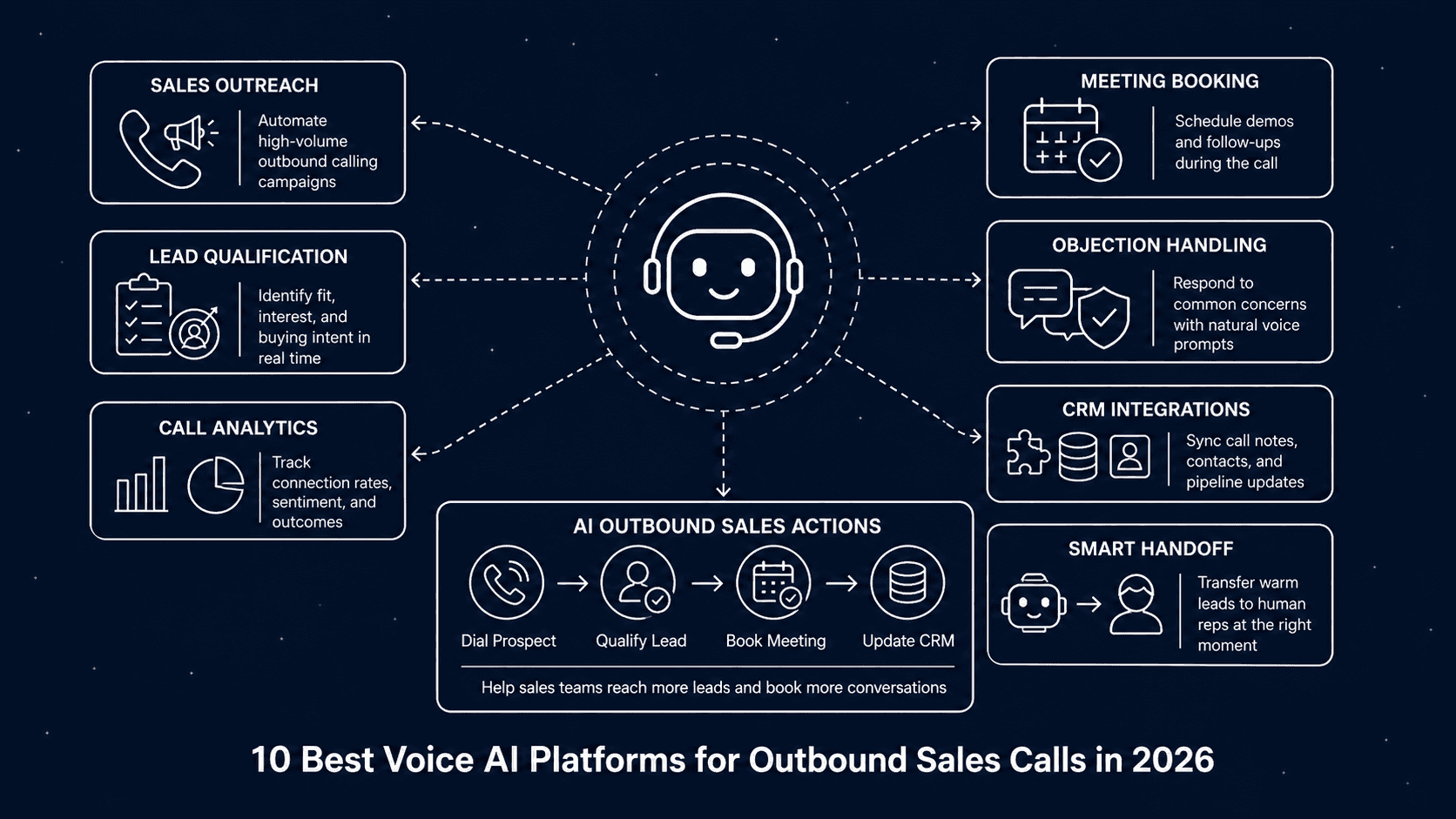
An AI voice call qualification framework is a structured system that uses automated voice conversations to collect, assess, and route inbound leads before any human rep gets involved. It is not a phone tree or an IVR menu. The caller speaks naturally, the system interprets responses, applies qualification logic, and either routes the call, schedules a follow-up, or flags the lead for review — depending on the outcome of the conversation.
For teams evaluating this approach, the Ai Voice Calls For Lead Qualification guide provides a grounded breakdown of how these systems function operationally and what configurations tend to produce consistent outcomes in real business environments.
The value of using ai voice calls for lead qualification comes from its consistency. A human rep asking qualification questions will vary their approach based on fatigue, conversational cues, or time pressure. An AI voice system applies the same logic every time, to every caller, at any hour. This is not about removing judgment from sales — it is about standardizing the information-gathering step so that human judgment is applied to better data.
Why Consistency at the Top of the Funnel Matters
When qualification questions are asked inconsistently, the data that reaches your CRM is inconsistent. Some leads have service type recorded, others do not. Some have urgency noted, others are missing it entirely. When your team tries to prioritize follow-up based on incomplete records, they make decisions based on assumptions rather than facts. This is where qualified leads get lost — not because no one followed up, but because no one knew which leads were actually worth prioritizing.
A voice-based qualification framework solves this by treating the first conversation as a data collection event with defined fields, not a casual intake call. Every lead that passes through the system arrives in your pipeline with the same structured record, which makes downstream decisions faster and more reliable.
Mapping Your Qualification Logic Before You Configure Anything
The most common implementation mistake is configuring the technology before defining the logic it will execute. AI voice systems are flexible, but they do not decide what makes a lead qualified — your business does. Before any system is set up, the team needs to define exactly which answers move a lead forward, which answers put it on hold, and which answers disqualify it entirely.
This mapping process starts with your existing sales team. Ask the reps who currently handle inbound calls what questions they always ask, in what order, and what answers change how they proceed. You will find that most experienced reps follow a consistent internal logic — they just do not have it written down anywhere. Capturing that logic is the first concrete deliverable of your thirty-day build.
Defining Hard Qualification Criteria Versus Soft Signals
Not all qualification criteria carry the same weight. Some answers make a lead clearly viable or clearly unsuitable — these are hard criteria. Others provide useful context without being definitive — these are soft signals. Your framework needs to treat these differently.
Hard criteria might include whether the caller is within your service area, whether they own the property in question, or whether their timeline falls within a range your team can accommodate. A lead that fails a hard criterion should be handled differently from a lead that simply has a longer timeline or a smaller initial project scope. Mixing these two categories leads to routing errors and wasted follow-up time.
Soft signals — such as how the caller describes their problem, whether they mention a previous provider, or the urgency in their language — can inform prioritization without determining eligibility. Your framework should capture these and pass them along as context, not use them as gatekeepers.
Structuring the Thirty-Day Build Timeline
A thirty-day framework build is achievable when work is sequenced correctly. The first week should be entirely internal — no technology, no configuration. This is the period for documenting qualification logic, identifying the CRM fields the system will need to populate, and agreeing internally on routing rules. Skipping this step is the primary reason implementations stall or produce poor-quality data.
Week two focuses on system selection and initial configuration. At this stage, the goal is to load your documented qualification logic into the voice system, set up call routing rules, and connect the system to your CRM or scheduling tool. This is also when you record or configure the voice prompts that callers will hear — keeping them direct, short, and conversational in tone.
Week three is for controlled testing. Run calls through the system internally, then expand to a small group of real inbound leads. Monitor every outcome manually during this period. Note where callers drop off, where the system misinterprets responses, and where routing sends leads to the wrong queue. These are expected — the goal of testing is not perfection but informed refinement.
Week four is for adjustment and handoff. Based on testing data, refine the conversation flow, tighten the routing logic, and document the system for your team. By the end of day thirty, you should have a repeatable, monitored process rather than a fully optimized one. Optimization comes from real volume, not from pre-launch assumptions.
What to Monitor in the First Thirty Days After Launch
Once the system is handling live calls, three metrics matter most early on: call completion rate, qualification accuracy, and rep satisfaction. Call completion rate tells you whether callers are staying through the conversation or abandoning it — low completion often points to prompts that are too long or a conversation structure that feels unnatural. Qualification accuracy, assessed by having reps review a sample of routed leads, tells you whether the system is applying your logic correctly. Rep satisfaction tells you whether the data arriving in the CRM is actually useful to the people acting on it.
These three signals, tracked consistently, give you a clear picture of where the framework is performing and where it needs adjustment. The goal during this period is stability, not growth — making sure the system works reliably before increasing the volume it handles.
Integrating AI Voice Qualification Into Existing Team Workflows
A qualification framework that exists in isolation from the rest of your operation creates more work, not less. The system needs to connect to the tools your team already uses — specifically your CRM, your scheduling platform, and whatever communication tools your reps rely on for follow-up. Without these integrations, team members end up manually transferring data between systems, which defeats the purpose of automation and introduces new opportunities for error.
Integration also affects how reps receive and act on qualified leads. When a caller completes the AI voice qualification process, the rep should receive a structured summary — not just a name and number, but the answers the caller gave, the qualification outcome, and any soft signals captured during the conversation. This gives the rep context before they make contact, which changes the quality of the first human conversation significantly.
Training Your Team to Work Alongside the System
Introducing an AI voice qualification system changes what your sales team does, even if it does not reduce their workload immediately. Reps no longer need to gather basic information at the start of a call — they need to use the information that has already been gathered. This requires a brief but deliberate shift in how they open conversations.
Teams that perform best with this kind of system treat the AI-gathered data as a briefing, not a script. They review what the caller said, note where the qualification was strong or uncertain, and begin the human conversation at a more advanced point. This is one of the more practical benefits of using ai voice calls for lead qualification consistently — it compresses the early portion of the sales conversation and gives reps more time to address specific concerns rather than establishing basic context.
Common Implementation Failures and How to Avoid Them
Most frameworks that fail do so for one of three reasons. The first is launching without documented logic, which results in a system that asks the right questions but applies the wrong routing rules. The second is over-engineering the conversation flow, which produces long, complex calls that callers abandon before completion. The third is under-training the team, which leads to reps ignoring the system data and falling back on their own intake questions — effectively running two qualification processes in parallel.
Each of these failures is preventable with planning rather than technology. The role of the technology is to execute decisions reliably. The role of the framework is to make sure the right decisions are encoded into the system before it handles a single real call.
According to research published by McKinsey & Company, organizations that apply automation to the early stages of customer interaction tend to see the greatest operational benefit when the automation is tightly aligned with existing workflow logic — not when it is treated as a standalone addition.
This holds true for ai voice calls for lead qualification specifically. The technology works when it reflects the actual qualification decisions your business already makes — not when it is configured to ask questions without a clear purpose behind each one.
Conclusion
Building an AI voice call lead qualification framework in under thirty days is a realistic goal for most businesses that handle consistent inbound lead volume. The process is not primarily a technology challenge — it is a documentation and sequencing challenge. When the qualification logic is defined clearly, the system is configured thoughtfully, and the team is prepared to use the data it produces, the result is a more consistent front end to an otherwise variable sales process.
The benefit over time is not just efficiency. It is data quality. When every inbound lead passes through the same structured conversation and arrives in your pipeline with the same fields populated, your team makes better decisions faster. That compounding effect — better data producing better decisions at scale — is what makes ai voice calls for lead qualification a durable operational improvement rather than a short-term fix.
For businesses ready to move from concept to implementation, the priority should be the same in week one as it is on day thirty: make the process reliable before making it fast. Speed comes from repetition. Reliability comes from planning. Start with the planning.
