

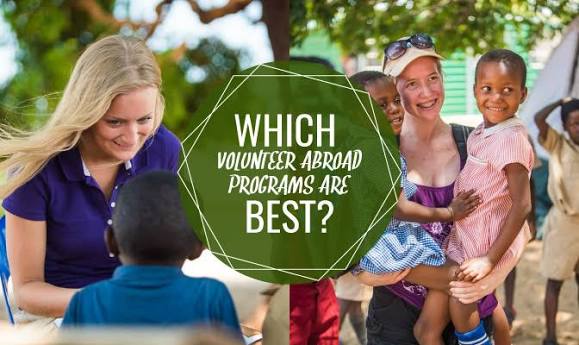
Choosing an international volunteering program can be exciting, but the number of available options may feel overwhelming. Programs differ in destination, duration, cost, accommodation, project type, supervision, and ethical standards as voluntariado internacional agency.
Taking time to evaluate each opportunity carefully can help volunteers find a project that matches their skills while supporting the host community responsibly.
Define Your Main Motivation
Before comparing destinations, volunteers should think about why they want to participate.
Some people want to support environmental conservation. Others are interested in education, community development, animal welfare, public health, or humanitarian work.
Travelling, meeting people, and developing new skills can also be part of the experience, but they should not replace the project’s social or environmental purpose.
Clear motivation makes it easier to select a suitable program and prepare for the challenges involved.
Consider Your Skills and Experience
The best volunteering role is not always the most dramatic one. It is the one where the participant can contribute responsibly.
Volunteers should consider their professional experience, education, language ability, physical fitness, and practical skills.
Someone with experience in administration may help a nonprofit improve its internal organisation. A photographer could create ethical communication materials. A construction professional may assist with technical planning.
Volunteers without specialist experience should choose structured roles with adequate training and supervision.
Research the Organisation
The organisation should provide detailed information about its history, local partners, safeguarding policies, program costs, support team, and project goals.
Look for evidence of long-term collaboration with local organisations. Responsible programs are usually designed with community input and continue beyond the arrival and departure of individual volunteers.
Independent reviews can be useful, but they should not be the only source of information. Volunteers should also ask direct questions and request written program details.
Understand the Costs
International volunteering is not always free. Fees may cover accommodation, meals, airport transfers, training, local coordination, project materials, emergency support, or administrative expenses.
The organisation should explain what is included and excluded.
Volunteers may also need to budget for flights, visas, insurance, vaccinations, personal expenses, and local transport.
A high fee does not automatically guarantee a high-quality program, and a low fee does not necessarily indicate poor management. Transparency is more important than price alone.
Evaluate Ethical Standards
Ethical volunteering protects both the community and the participant.
Projects involving children should have strict safeguarding policies. Short-term volunteers should not be placed in roles that create emotional dependency or provide unsupervised access to vulnerable children.
Healthcare placements should respect professional qualifications. Volunteers should never perform clinical tasks beyond their training.
Wildlife programs should prioritise conservation rather than entertainment. Direct contact with wild animals should be carefully evaluated, as some facilities use volunteering to support harmful tourism practices.
Review Safety and Support
Volunteers should receive clear information about local safety conditions, accommodation, transport, emergency contacts, health requirements, and cultural expectations.
The organisation should provide orientation before the placement begins and local support throughout the stay.
Emergency procedures should be explained in advance. Volunteers should know who to contact if they become ill, feel unsafe, or experience problems at the project.
Consider the Duration
Some projects are suitable for short-term participation, while others require a longer commitment.
Environmental clean-ups, maintenance work, or event support may be appropriate for shorter stays. Teaching, healthcare, social support, and community development often benefit from longer placements.
Volunteers should consider whether the length of their stay matches the responsibilities involved.
Ask the Right Questions
Before booking, ask:
- How was the project created?
- Which local organisation manages it?
- What will my daily responsibilities be?
- What training will I receive?
- How are volunteer fees used?
- What safeguarding policies are in place?
- How is the project’s impact measured?
- What happens after volunteers leave?
Clear answers indicate that the organisation has thought carefully about its responsibilities.
The best international volunteering program is one that balances the volunteer’s interests with the community’s priorities. Responsible selection leads to a more meaningful, safe, and sustainable experience for everyone involved
