

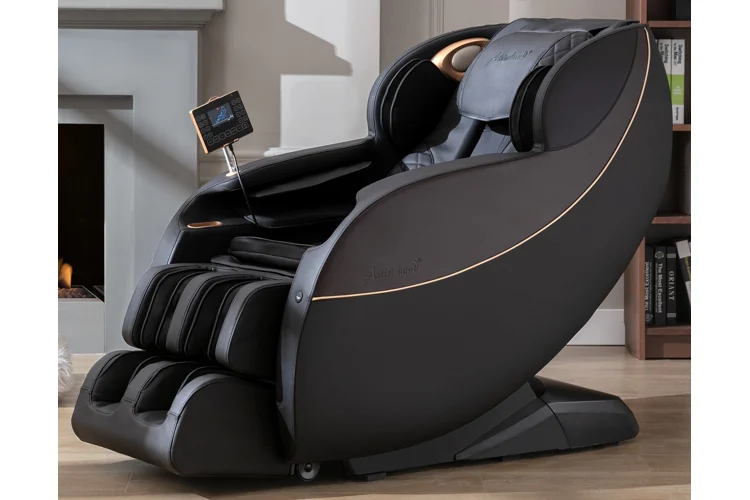
A massage chair is no longer a luxury that you intend to buy as soon as your lottery ticket turns you into a millionaire; it has now become a necessity. The modern lifestyle requires you to feel relaxed and comforted, and that is successfully done when you look for the perfect massage chair for your body.
However, the question remains: which is the best massage chair for your needs? The best massage chair is the one that matches your preferred massage style, desired body coverage, comfort needs, and available space. Features such as 3D or 4D roller mechanisms, body scanning, SL-Track systems, zero gravity, air compression, and foot massage can change the experience. Still, the right combination depends on how you plan to use the chair.
Buying a Massage Chair can feel surprisingly complicated. Today’s Massage Chairs come with different roller mechanisms, body-scanning systems, reclining positions, air compression systems, foot massage functions, and dozens of automated programs.
That creates an obvious problem: more features do not necessarily mean a better choice for every person.
The Best Massage Chair for you depends on what you actually want from it. Before comparing models, consider your preferred massage style, the areas you want covered, the technology you need, and the amount of space available in your home.
What Should You Look for in a Massage Chair?
There are multiple features and technological updates that are added each day to massage chairs and that need to be taken into consideration when you are choosing one for yourself or a loved one.
A simple four-part framework can make the decision easier.
1. Massage Style
Think about how you want the massage to feel. Some people prefer gentle, relaxing movements, while others want deeper pressure.
Look at the chair’s roller pressure, massage speed, automatic programs, and manual adjustment options. Adjustable intensity can be especially useful when more than one person will use the chair.
2. Body Coverage
Do not rely only on the phrase “full body.” Check exactly which areas the chair addresses.
Depending on the model, coverage may include the neck, shoulders, back, lower back, hips, arms, calves and feet. Two chairs described as full body may therefore provide noticeably different experiences.
3. Technology
Massage chair technology can range from 2D to 3D, 4D and 5D mechanisms. Body scanning is another important feature because it can help position the massage according to the user’s body.
However, a higher number is not automatically better. Consider what each technology actually changes during a massage.
4. Room and Comfort
A massage chair needs more than enough floor space for its footprint. Check its dimensions, reclining clearance, and required wall distance before buying.
Also consider seat comfort, footwell design, and whether the chair uses space-saving construction. Some current Osaki models, for example, advertise space-saving designs that allow the chair to recline while staying relatively close to a wall.
Is a Full Body Massage Chair Worth It?
A full body massage chair can be worthwhile for people who want more than back massage, particularly if they value integrated lower-body features such as calf and foot massage, air compression, and broader roller coverage.
What Does Full Body Actually Mean?
“Full body” does not mean every part of the body receives identical treatment.
Depending on the design, a chair may target the:
- Neck
- Shoulders
- Back
- Lower back
- Hips
- Arms
- Calves
- Feet
Look at the individual features rather than relying on the label alone. For example, a chair may use rollers for the back while using airbags or dedicated mechanisms for the arms, calves, and feet.
Why Track Design Matters
Track design determines how far the rollers can travel. An SL-Track combines the movement of an S-shaped track with an extension beneath the body, allowing roller coverage to move beyond the back.
Current Osaki models include SL-Track configurations paired with features such as full-body air compression and foot and calf massage.
The key point is that broader track coverage can expand the massage area, but it does not mean everybody area receives the same type or intensity of massage.
Does 3D or 4D Make a Massage Chair Better?
This is one of the most important technology questions shoppers face. The answer depends on the type of massage you prefer.
What Is 3D Massage Technology?
A 3D massage mechanism adds adjustable roller depth. Instead of simply moving across a fixed path, the rollers can move further toward the body.
This gives users greater control over pressure and can make the massage feel more personalized. It may suit people who want to adjust the intensity of the roller contact.
What Is 4D Massage Technology?
4D mechanisms generally provide more sophisticated control over roller movement and speed. The rollers can vary their movement in ways designed to create a more dynamic massage experience.
For people who want more variation in pressure, rhythm, and movement, 4D technology may be worth considering.
What About 5D Massage Chairs?
Manufacturers may use “5D” to describe additional technology or control beyond conventional 4D mechanisms. The exact implementation can vary between brands and models.
That is why shoppers should not assume that 5D automatically means better. The important question is what the technology changes in the actual massage experience and whether those changes matter to you.
Osaki’s current range includes chairs using 3D, 4D, 5D, and dual-mechanism configurations, showing how varied the technology can be across models.
How Do You Choose the Best Massage Chair for Your Home?
Once you understand the technology, turn it into a practical buying checklist.
If You Want a More Customizable Massage
Look for:
- 3D or 4D technology
- Adjustable intensity
- Manual controls
- Multiple massage programs
These features can give you more control over pressure, movement, and the areas you want to target.
If Full-Body Coverage Is Your Priority
Look for:
- Appropriate track design
- Foot massage
- Calf massage
- Air compression
- Reclining functionality
Check each feature separately. A chair with extensive back coverage may still have limited lower-body functionality.
If You Have Limited Space
Measure the room before you compare chairs. Check:
- Chair footprint
- Reclining clearance
- Wall distance
- Doorway dimensions
- Space-saving technology
This is particularly important because massage chairs can be large and heavy. Some Osaki models currently advertise space-saving construction, including designs requiring only a few inches of wall clearance for reclining.
What Should You Know Before Buying Massage Chairs?
Buyers often make the same mistake: they compare chairs feature by feature instead of considering the overall experience.
Don’t Compare Chairs by One Feature
A chair should not be selected simply because it has:
- The highest “D” number
- The most airbags
- The longest feature list
- The biggest touchscreen
A well-designed 3D chair may be a better fit for one person than a more expensive 5D model.
Think About How You Will Actually Use It
Ask yourself:
- How often will I use the chair?
- Which areas do I want to target?
- Do I prefer gentle or deeper pressure?
- How important is lower-body massage?
- How much space do I have?
Your answers can quickly eliminate features that sound impressive but do not add much value for your routine.
Expert Insight: The Best Massage Chair Is Personal
A massage chair should be evaluated by the experience it creates, not just by the number of features listed on the specification sheet. The right chair is the one whose massage mechanism, coverage, comfort, and controls match the way you actually want to use it.
Shoppers comparing different massage chairs can also look at established manufacturers such as Osaki USA, whose current range includes models across several massage mechanisms and configurations, including 3D, 4D, 5D and dual-mechanism systems.
Frequently Asked Questions About Massage Chairs
What is the best massage chair for home use?
There is no single best massage chair for every home. The right choice depends on your preferred massage style, desired body coverage, comfort preferences, technology requirements, and available space.
Is a 4D massage chair better than a 3D massage chair?
Not necessarily. A 3D mechanism can provide adjustable roller depth, while 4D technology generally adds more dynamic control over roller movement and speed. The better option depends on the type of massage you prefer.
What is a full body massage chair?
A full body massage chair is designed to massage multiple areas beyond the back, potentially including the neck, shoulders, hips, arms, calves, and feet. Exact coverage varies by model, so check the individual specifications.
What features should I look for in a massage chair?
Start with the massage mechanism, body coverage, body scanning, track system, comfort, and space requirements. Then consider features such as air compression, zero gravity, foot massage, and heat based on your preferences.
Are expensive massage chairs worth it?
Price alone does not determine value. An expensive chair may offer advanced technology and extensive features, but those features are only worthwhile if they improve your massage experience. Consider usage, comfort, desired technology, and coverage before comparing prices.
Choose the Features That Fit Your Routine
The best massage chair is not necessarily the most expensive model or the one with the longest specification list. It is the model that provides the massage style, coverage, comfort, and technology that fit your routine. Once you know which features matter most, comparing massage chairs becomes considerably easier. Start with your needs, then choose the technology that supports them.
