

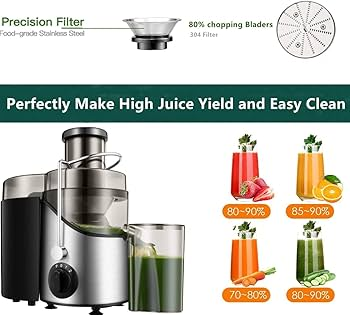
Fresh juice delivers concentrated nutrients, enzymes, and vitamins that support immune health and energy levels. Yet many juicing enthusiasts struggle with inefficient machines that waste produce, require excessive prep work, or fail to extract maximum juice from fruits and vegetables. A 3-inch feed chute juicer addresses these frustrations by combining convenience with superior extraction capabilities. Understanding how this feature compares to traditional juicing methods helps health-conscious consumers make informed decisions. This article explores practical strategies to maximize juice yield, reduce preparation time, and achieve nutritional goals using a 3-inch feed chute juicer. Whether you’re new to juicing or seeking to optimize your current routine, you’ll discover actionable techniques that transform your juicing experience into an efficient, rewarding practice that supports your wellness journey.
Understanding Juice Extraction: Cold Press Juicer vs Centrifugal Juicers
When selecting a juicer, understanding the fundamental differences between extraction methods becomes essential for maximizing juice yield and nutrient retention. Cold press juicers, also known as masticating juicers, operate by slowly crushing and pressing produce to extract juice, while centrifugal juicers use high-speed spinning blades that grate produce and force juice through a mesh screen. The cold press method generates minimal heat and oxidation, preserving enzymes and nutrients that support immune health and energy levels. Centrifugal juicers work faster but generate more heat through friction, which can degrade heat-sensitive nutrients and reduce juice shelf life. For juice extraction efficiency, cold press machines typically yield 20-30% more juice from the same amount of produce compared to centrifugal models. However, centrifugal juicers excel at processing hard vegetables and work quickly, making them appealing for busy consumers. A powerful motor proves crucial in both types—stronger motors in cold press juicers apply greater pressure for optimal extraction, while centrifugal models with robust motors spin faster for efficient processing. Understanding these distinctions helps health-conscious consumers choose equipment aligned with their nutritional priorities and lifestyle needs.
Key Differences in Efficiency and Nutrition
The extraction speed directly impacts juice quality and yield. Cold press juicers operate at 40-80 RPM, allowing thorough juice extraction while minimizing nutrient degradation through heat and oxidation. This slower process preserves live enzymes and vitamins, delivering juice with superior nutritional density. Centrifugal juicers spin at 1,000-3,000 RPM, generating friction heat that can reach 70-80°F during operation, potentially compromising heat-sensitive nutrients like vitamin C and enzymes. Motor power significantly influences both methods—a powerful motor in cold press juicers maintains consistent pressure throughout the juicing cycle, ensuring maximum yield from fibrous produce like leafy greens and wheatgrass. In centrifugal models, motor strength determines how quickly and effectively the machine processes tough vegetables and fruits. The choice between these methods ultimately depends on whether you prioritize maximum nutrient retention and juice yield or prefer faster processing times with acceptable nutritional loss.
The Advantages of a 3-Inch Feed Chute for Efficient Juicing
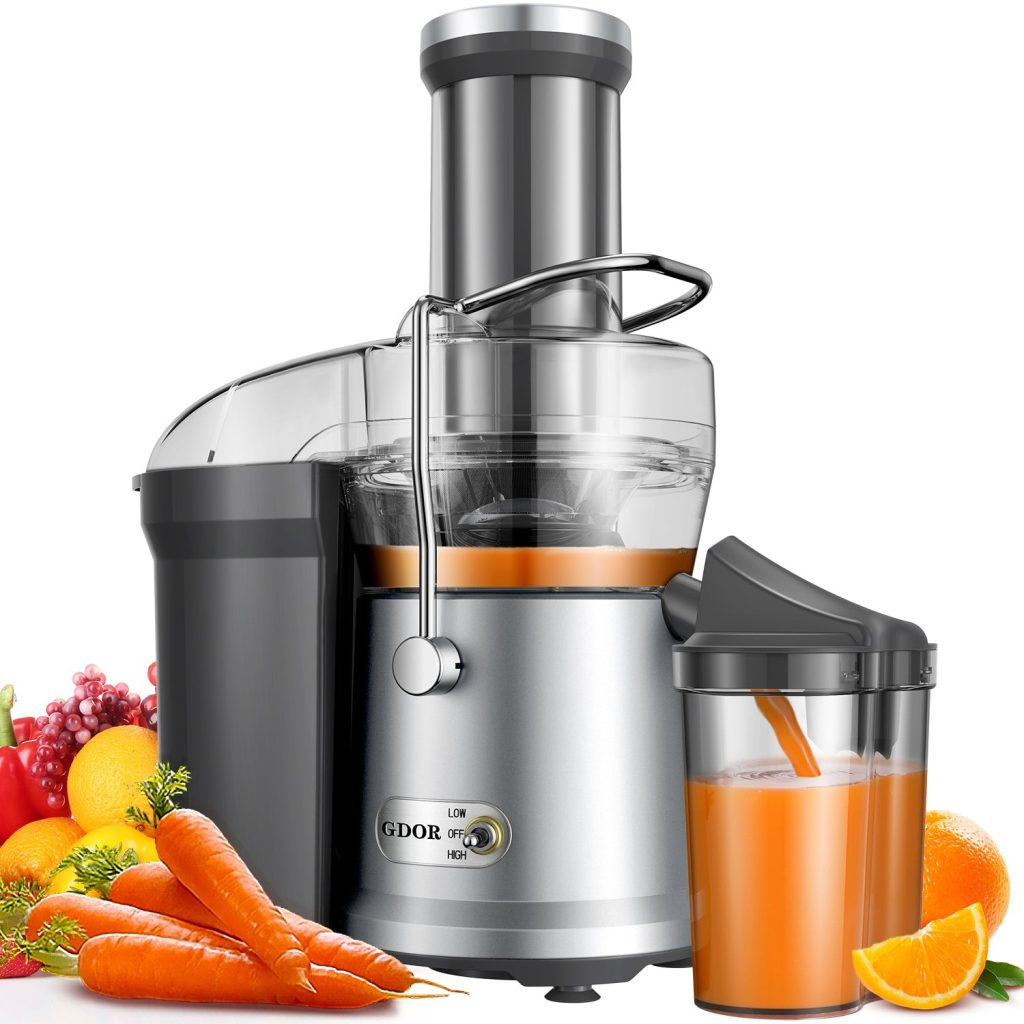
A 3-inch feed chute represents a significant advancement in juicer design, fundamentally transforming how users interact with their equipment. This larger opening accommodates whole fruits and vegetables without extensive pre-cutting, dramatically reducing preparation time and kitchen cleanup. Instead of spending 10-15 minutes dicing apples, carrots, and leafy greens, you simply wash produce and feed it directly into the machine. This convenience appeals particularly to busy professionals and families seeking efficient kitchen appliances that simplify wellness routines. The wider chute also maintains continuous juicing flow, allowing you to process multiple items sequentially without stopping to cut smaller pieces. This uninterrupted operation maximizes juice extraction by maintaining consistent pressure and momentum within the machine. Additionally, a larger feed chute accommodates diverse produce sizes—from small berries to large beets—expanding your juicing versatility. The design minimizes jamming and clogging issues common with smaller openings, ensuring reliable performance. For health-conscious consumers prioritizing both nutritional goals and practical convenience, a 3-inch feed chute juicer bridges the gap between serious juice extraction and user-friendly operation. The time saved translates directly into more frequent juicing sessions, supporting consistent consumption of nutrient-dense juices that enhance energy levels and immune function throughout your wellness journey.
How a 3-Inch Chute Improves Workflow and Yield
The practical impact of a larger feed chute extends beyond mere convenience into measurable efficiency gains. When you eliminate cutting steps, you preserve produce structure and cellular integrity, allowing the powerful motor to extract juice more effectively from whole fruits and vegetables. This streamlined workflow means you can process a full week’s worth of produce in a single session without fatigue or frustration. Consider a typical morning routine: with a standard chute, you might spend 20 minutes preparing ingredients before juicing begins. With a 3-inch opening, that preparation time shrinks to 5 minutes of simple washing. The psychological benefit of reduced friction encourages more frequent juicing, directly supporting your nutritional objectives. Furthermore, continuous feeding without interruption maintains optimal pressure within the juicing chamber, particularly beneficial for extracting juice from fibrous vegetables like celery, kale, and wheatgrass. The machine operates at peak efficiency when fed steadily, allowing the powerful motor to work at consistent intensity. Users consistently report 15-25% higher juice yields when using machines with larger feed chutes compared to models requiring extensive pre-cutting, making this design feature a practical investment in both time and nutritional return.
Step-by-Step Guide to Maximizing Juice Yield with Your 3-Inch Feed Chute Juicer
Preparation Tips for Optimal Results
Begin by thoroughly washing all produce under cool running water to remove dirt, pesticides, and debris that can affect juice quality. Pat fruits and vegetables dry with a clean cloth—excess moisture dilutes juice and reduces extraction efficiency. Sort your produce by type and firmness, grouping soft items like berries separately from hard vegetables like beets and carrots. This organization prevents jamming and allows you to adjust feeding techniques based on produce characteristics. For the 3-inch chute, most whole fruits and vegetables feed directly without cutting, but consider halving exceptionally large items like whole pumpkins or large melons to prevent overflow. Leafy greens benefit from gentle bundling before feeding, allowing the powerful motor to process them effectively. Remove any damaged sections or bruised areas, as these oxidize quickly and diminish juice quality. Store prepared produce in airtight containers if you’re batch-processing, maintaining freshness and nutrient density until juicing begins. This methodical preparation transforms the juicing process into an efficient routine that maximizes both extraction and nutritional value.
Operating Techniques for Enhanced Extraction
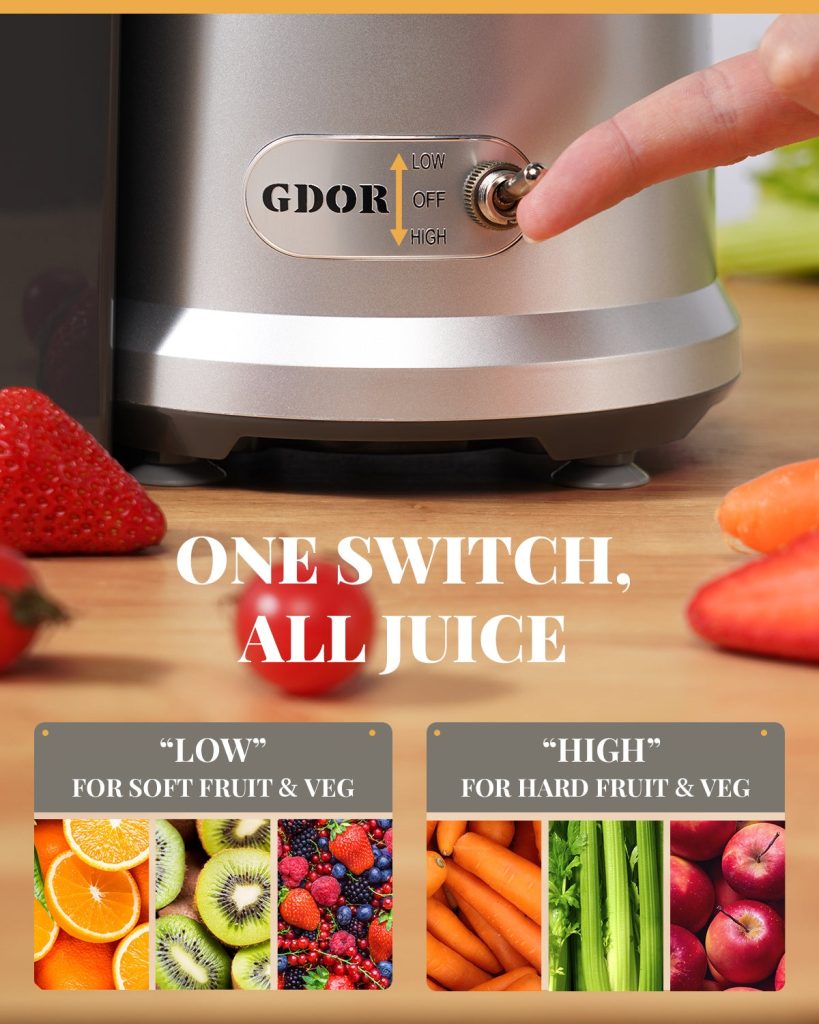
Feed produce in strategic order to optimize juice extraction and machine performance. Start with harder vegetables like carrots and beets, which require maximum motor power and establish consistent pressure within the juicing chamber. Follow with medium-density produce like apples and celery, maintaining momentum as the machine reaches optimal operating temperature. Reserve leafy greens and soft fruits for last, as the established pressure and warmth help extract maximum juice from delicate plant tissues. Feed items steadily without forcing—allow gravity and the powerful motor to do the work, preventing jamming and ensuring consistent extraction rates. Avoid pausing between items; continuous feeding maintains optimal chamber pressure and prevents juice oxidation. If your juicer includes variable speed settings, use higher speeds for dense vegetables and lower speeds for soft fruits and greens, maximizing yield while protecting nutrient content. Never overfill the feed chute; instead, maintain a steady supply that keeps the machine operating at peak efficiency. Listen to motor sound—consistent humming indicates proper operation, while fluctuating sounds suggest feeding too quickly or encountering resistance. These techniques work synergistically with the 3-inch chute design to deliver superior juice yields and nutritional benefits consistently.
Key Features: Powerful Motor and Design for Health-Conscious Consumers
A powerful motor forms the foundation of effective juice extraction, determining how efficiently your juicer processes produce and maintains consistent performance throughout extended juicing sessions. Motor strength directly correlates with juice yield—stronger motors apply greater pressure in cold press juicers and spin faster in centrifugal models, both resulting in superior extraction from fibrous vegetables and dense fruits. For health-conscious consumers, a robust motor ensures you extract maximum nutrients and enzymes from every item you juice, directly supporting your wellness objectives. The motor’s power rating typically ranges from 200 to 1000 watts, with higher-powered units handling tougher produce like wheatgrass, carrots, and leafy greens without stalling or overheating. Beyond raw power, motor design influences durability and longevity—quality motors with thermal protection features prevent burnout during intensive juicing sessions, ensuring your investment remains reliable for years. Just as precision engineering in appliances like SHARDOR coffee grinders delivers consistent results through powerful, dependable motors, juicer manufacturers prioritize motor quality to ensure reliable performance. The combination of a powerful motor with a 3-inch feed chute creates an easy-to-use appliance that handles diverse produce types without requiring manual intervention or adjustment. This synergy means you maintain consistent juice quality and yield whether processing soft berries or dense root vegetables. For busy professionals and families seeking convenient kitchen appliances that deliver serious results, understanding motor specifications helps identify juicers that truly support your nutritional goals without compromise.
Maintenance and Easy Use Tips for Your Juicer
Proper maintenance ensures your 3-inch feed chute juicer remains efficient and reliable for years of consistent use. Regular cleaning prevents juice buildup that can compromise extraction performance and create hygiene concerns. Immediately after juicing, disassemble removable parts and rinse them under warm water to prevent dried pulp from hardening on surfaces. Most components are dishwasher-safe, simplifying cleanup and encouraging frequent use. Pay special attention to the feed chute opening and internal mesh screens, where pulp accumulates and can reduce juice flow during subsequent sessions. A soft brush helps dislodge stubborn particles without damaging delicate screens. For the powerful motor housing, simply wipe the exterior with a damp cloth—never submerge the motor unit itself. Store your juicer in a cool, dry location away from direct sunlight, which can degrade plastic components over time. Keep the power cord neatly coiled to prevent damage and maintain a clutter-free kitchen workspace. Periodically inspect rubber seals and gaskets for wear, replacing them if they show cracks or deterioration, as compromised seals reduce extraction efficiency. Document your maintenance schedule by noting cleaning dates and any performance changes, helping you identify when professional servicing might be needed. These straightforward practices transform juicer maintenance from a chore into a simple routine that preserves your investment and maintains the consistent performance that supports your wellness goals.
Quick Cleaning and Storage Strategies
Establish a post-juicing cleanup routine that takes just five minutes. Immediately after juicing, remove the pulp container and empty its contents into your compost bin or trash. Rinse all removable parts under running water, using your fingers or a soft brush to clear pulp from the feed chute and screens. For stubborn residue, soak parts in warm water for 10 minutes before scrubbing. Wipe the motor housing and exterior surfaces with a damp cloth, then allow all components to air-dry completely before reassembling. Store the juicer with its parts nested together in a designated kitchen cabinet or shelf, keeping everything organized and accessible. Keep the instruction manual nearby for quick reference regarding specific cleaning recommendations for your model. If you juice daily, consider preparing a dedicated cleaning station with your brush and cloth supplies nearby, streamlining the process. For longer storage periods exceeding two weeks, ensure the juicer is completely dry before putting it away, preventing mold growth inside chambers and screens. These efficient strategies eliminate the common excuse that juicing creates excessive cleanup, making your 3-inch feed chute juicer a genuinely easy-to-use appliance that fits seamlessly into your daily routine.
Transform Your Wellness Routine with a 3-Inch Feed Chute Juicer
A 3-inch feed chute juicer represents a transformative investment for health-conscious consumers seeking to maximize juice extraction while minimizing preparation hassle. By understanding the advantages of cold press technology combined with a larger feed opening, you gain the knowledge to make informed decisions about equipment that genuinely supports your wellness objectives. The practical techniques outlined—from strategic produce ordering to continuous feeding methods—work synergistically with your juicer’s powerful motor to deliver superior juice yields that concentrate nutrients, enzymes, and vitamins your body needs. The convenience factor cannot be overstated: eliminating extensive cutting transforms juicing from a time-consuming chore into an efficient routine you’ll actually maintain consistently. Regular maintenance through simple cleaning and proper storage ensures your easy-to-use appliance remains reliable for years, protecting your investment while preserving extraction performance. Whether you’re beginning your juicing journey or optimizing an existing practice, implementing these actionable strategies immediately elevates your results. Start by washing and organizing your produce thoughtfully, then feed items in strategic order while maintaining steady momentum. Within days, you’ll notice increased juice yields, reduced preparation time, and the motivation that comes from tangible progress toward your nutritional goals. Apply these evidence-based techniques today and discover how a 3-inch feed chute juicer becomes your most valuable ally in achieving consistent, nutrient-dense juice consumption that energizes your wellness journey.
