

At-home wellness technology has undergone a remarkable transformation in recent years. What once required a trip to a dermatologist’s office or a sports medicine clinic can now be achieved from the comfort of your living room. Among the most compelling innovations to emerge from this shift is the red light full body panel — a device that delivers therapeutic wavelengths of light across your entire body in a single session.
But with so many devices and conflicting claims flooding the market, a critical question arises: How can you actually use this technology to get the most out of it? The answer lies in understanding both the science and the practice. Red light full body panels carry a dual promise — meaningful pain relief for those dealing with chronic discomfort or athletic fatigue, and genuine skin rejuvenation for anyone seeking a non-invasive approach to healthier, more youthful skin.
This guide is designed to cut through the noise. Whether you’re a first-time user or looking to refine your current routine, you’ll find clear, actionable steps here to help you harness the full potential of red light therapy and build it into a sustainable wellness habit that delivers real, lasting results.
Understanding Red Light Therapy and Full Body Panels
Red light therapy (RLT) is a non-invasive treatment that uses specific wavelengths of light to trigger biological responses within your cells. The underlying mechanism is called photobiomodulation — a process where light energy is absorbed by mitochondria, the powerhouses of your cells, stimulating them to produce more adenosine triphosphate (ATP). This boost in cellular energy accelerates repair, reduces inflammation, and supports a wide range of healing processes throughout the body.
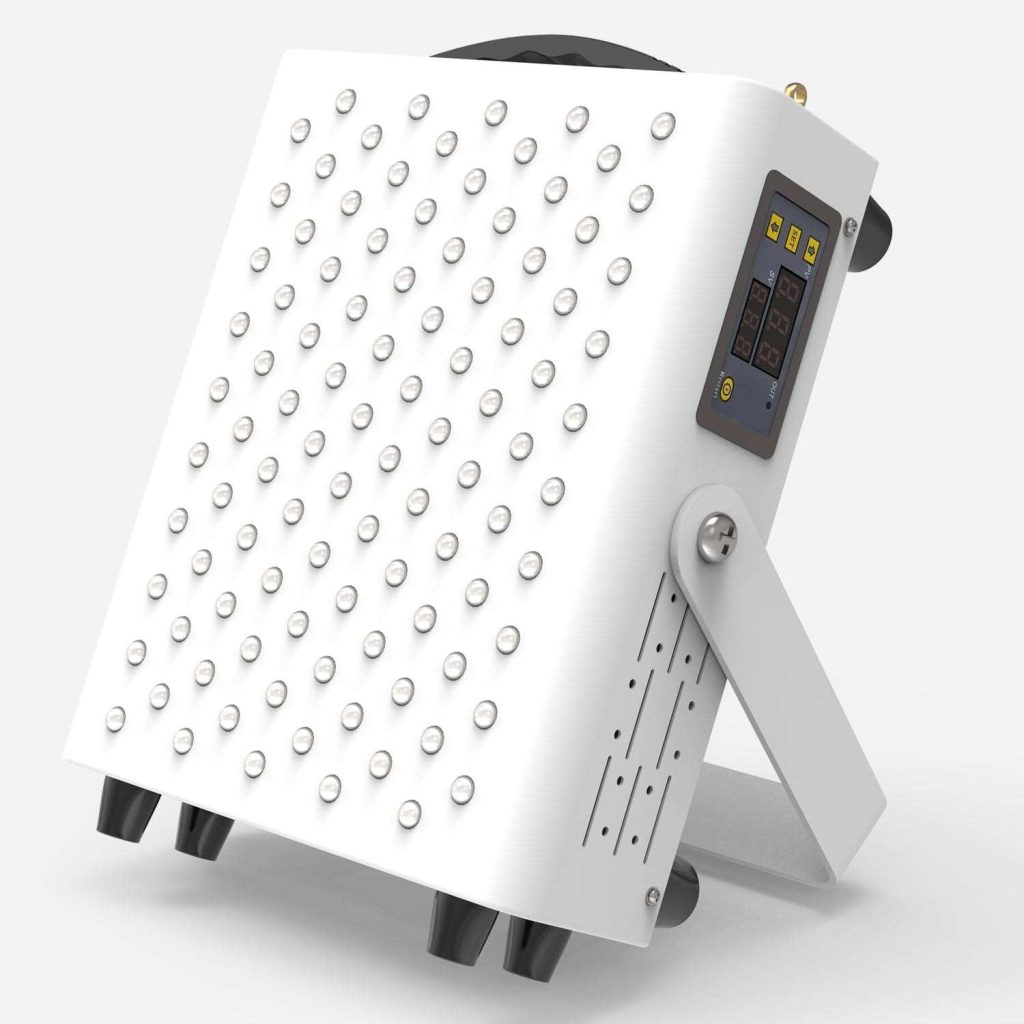
Not all therapeutic light is the same. Red wavelengths, typically ranging from 630 to 660 nanometers, penetrate the skin’s surface and are most effective for treating conditions close to the skin, including collagen stimulation and surface-level inflammation. Near-infrared (NIR) wavelengths, falling between 810 and 850 nanometers, penetrate significantly deeper — reaching muscles, joints, and even bone tissue — making them particularly valuable for pain management and recovery.
A red light full body panel distinguishes itself from smaller, handheld or targeted devices through sheer coverage. Rather than treating one isolated area, a full body panel bathes your entire body in therapeutic wavelengths simultaneously, allowing for systemic benefits in a single session. This makes treatments far more efficient and consistent.
The technology itself traces its roots to NASA research in the 1990s, initially used for wound healing in space. From there, it moved into clinical settings — physical therapy clinics, dermatology offices, and sports medicine facilities — before evolving into the compact, effective home-use panels widely available today, alongside a growing range of complementary targeted devices designed for more focused treatment areas.
The Science-Backed Benefits: From Pain Relief to Skin Rejuvenation
Red Light Therapy for Effective Pain Management
One of the most well-documented applications of red light therapy is pain relief, particularly for conditions rooted in inflammation. When near-infrared wavelengths penetrate deep into tissue, they stimulate circulation and reduce the inflammatory markers that cause chronic discomfort. This increased blood flow delivers oxygen and nutrients to damaged areas while helping flush out metabolic waste — a process that accelerates natural healing at the cellular level.
Athletes use full body panels regularly to address delayed onset muscle soreness (DOMS), with multiple peer-reviewed studies confirming that pre- and post-exercise sessions measurably reduce recovery time. For those managing longer-term conditions like osteoarthritis or lower back pain, consistent use has been shown to decrease pain intensity and improve joint mobility. A 2019 review published in the journal Photobiomodulation, Photomedicine, and Laser Surgery found statistically significant pain reduction across multiple musculoskeletal conditions treated with RLT, reinforcing its credibility as a non-pharmacological pain management tool.
LED Therapy for Natural Skin Rejuvenation
At the skin level, red light wavelengths between 630 and 660 nm directly stimulate fibroblasts — the cells responsible for producing collagen and elastin, two proteins essential for firm, youthful-looking skin. As we age, collagen production naturally declines, contributing to fine lines, sagging, and uneven texture. Regular LED therapy sessions help reverse this trend by triggering the skin’s own repair mechanisms rather than relying on external substances or invasive procedures.
Beyond anti-aging, these same wavelengths promote faster healing of acne scars and hyperpigmentation by reducing inflammation and encouraging healthy cellular turnover. Users often report improved overall skin tone and a visible reduction in redness with consistent use over four to eight weeks. For anyone seeking a non-invasive, chemical-free alternative to professional treatments like lasers or chemical peels, a red light full body panel offers a compelling, evidence-supported option — and some users choose to complement their full-body sessions with a dedicated facial device like the YouLumi red light therapy mask for more concentrated attention to skin concerns on the face and neck.
Additional Wellness Benefits
Beyond pain and skin, red light therapy influences several other systems in meaningful ways. Near-infrared light has been linked to improved sleep quality by supporting melatonin regulation — an evening session can serve as a calming wind-down ritual that signals your body to prepare for rest. Mood improvements are another reported benefit, likely tied to reduced inflammation and improved mitochondrial function in the brain. Athletes and active individuals also notice faster muscle recovery between training sessions, allowing for higher training volume without increased injury risk. These broader systemic effects are what make a full body panel particularly valuable: it addresses multiple wellness goals simultaneously within a single, time-efficient daily practice.
Your Step-by-Step Guide to Using a Red Light Full Body Panel
Step 1: Pre-Session Preparation and Safety
Before your first session, consult your healthcare provider if you have any photosensitive conditions, are taking medications that increase light sensitivity, or are pregnant. Once cleared, preparation becomes straightforward. Remove all makeup, lotions, and sunscreen from your skin — these products can block wavelengths and reduce treatment effectiveness. Your skin should be clean and completely dry before stepping in front of the panel. Always wear protective goggles rated for the specific wavelengths your device emits; while red and near-infrared light is far gentler than UV, prolonged direct eye exposure remains inadvisable. Finally, drink a full glass of water beforehand, as cellular processes stimulated during therapy benefit from adequate hydration.
Step 2: Optimal Positioning and Distance
Distance from the panel directly affects how much light energy your tissue absorbs. For most full body panels, positioning yourself between six and twelve inches from the surface delivers the therapeutic irradiance needed without overexposure. Stand closer — around six inches — when targeting skin-level concerns like collagen stimulation, and move back slightly, toward ten to twelve inches, when prioritizing deeper tissue penetration for muscle or joint recovery. For full-body coverage, stand centered in front of the panel and treat your front, then rotate to expose your back. Avoid staying in one fixed posture the entire session; small shifts ensure even exposure across different body areas and prevent any single zone from receiving disproportionate energy.
Step 3: Session Length, Frequency, and Consistency
Beginners should start conservatively — five to ten minutes per session is sufficient in the first week. This allows your body to adapt to photobiomodulation without overstimulation, which can occasionally cause temporary fatigue or mild skin sensitivity. After one to two weeks with no adverse reactions, gradually extend sessions to ten to twenty minutes based on your specific goals. Skin rejuvenation typically responds well to daily sessions of around ten minutes, while recovery-focused use may call for slightly longer sessions every other day to allow tissue adaptation between treatments.
Consistency matters far more than session intensity. Skipping sessions disrupts the cumulative cellular response that produces lasting results. Building a fixed schedule — same time of day, same duration — transforms therapy from an occasional experiment into a reliable wellness habit. Morning sessions can energize your day, while evening use supports the relaxation response. Whichever timing you choose, sticking to it over four to eight weeks is where the real, measurable benefits emerge.
Step 4: Integrating into Your Wellness Routine
A red light full body panel works best when it becomes a natural anchor within a broader daily routine rather than a standalone ritual. Pairing your session with light dynamic stretching maximizes circulation benefits while muscles are warm and responsive. Post-workout use fits seamlessly into cooldown routines, accelerating muscle repair right when the body needs it most. Some users incorporate mindfulness or slow breathing during sessions, turning treatment time into a dual physical and mental recovery window. Choose one consistent pairing that fits your lifestyle, and treat your panel session the same way you would a scheduled workout — non-negotiable and protected time dedicated to your long-term wellness.
Maximizing Results and Important Considerations
Combining Therapies for Enhanced Effects
Red light therapy amplifies its impact significantly when paired with complementary health practices. Combining sessions with regular low-intensity exercise like walking or yoga supports the circulation improvements already triggered by near-infrared wavelengths. From a nutrition standpoint, a diet rich in antioxidants and omega-3 fatty acids creates a cellular environment more receptive to photobiomodulation, while adequate protein intake supports the collagen synthesis stimulated during skin-focused sessions. Within your skincare routine, apply serums containing hyaluronic acid or vitamin C immediately after a session — your skin’s absorption capacity increases post-treatment, enhancing the effectiveness of topical products. What to avoid is equally important: skip chemical exfoliants, retinoids, or any photosensitizing product on treatment days, and never use a tanning bed in combination with RLT, as the two expose skin to fundamentally different and incompatible light profiles.
What to Expect: Timeline and Realistic Outcomes
Setting accurate expectations prevents early abandonment of what is genuinely an effective long-term practice. In the short term — within the first one to three sessions — most users notice immediate muscle relaxation, mild warmth in treated areas, and a general sense of calm. These are real physiological responses, not placebo. Visible skin improvements, however, require more patience. Collagen remodeling is a biological process that unfolds over weeks; expect to see meaningful changes in skin texture and tone between four and eight weeks of consistent daily use. Pain relief timelines vary by condition — acute soreness may respond within days, while chronic conditions typically show measurable improvement after three to four weeks. Keep a simple progress log with brief weekly notes and occasional photos. Documenting changes, even subtle ones, reinforces motivation and helps you fine-tune session duration and frequency for your specific body and goals.
Building a Lasting Red Light Therapy Habit
Red light full body panels represent one of the most versatile and evidence-supported wellness tools available for home use today. Throughout this guide, we’ve explored the science behind photobiomodulation, the meaningful benefits it delivers for pain relief and skin rejuvenation, and the practical steps that transform a device into a genuine health habit. From reducing chronic inflammation and accelerating muscle recovery to stimulating collagen production and improving sleep quality, a single panel addresses multiple wellness goals simultaneously — something few other at-home technologies can claim.
The difference between users who see real results and those who don’t comes down to two things: correct use and sustained consistency. Proper distance, clean skin, protective eyewear, and a gradual progression in session length all matter. But none of it delivers lasting change without showing up regularly, week after week, and giving your body the time it needs to respond.
The most empowering aspect of this technology is that it puts meaningful health outcomes directly in your hands. You don’t need a clinic appointment or a prescription — you need a routine, a commitment, and the knowledge to use your panel purposefully. Start where you are, build from there, and trust the process. Your long-term wellness is worth the consistency.
