


For growing businesses, managing marketing, sales and customer relationships across separate platforms can quickly become complicated. Teams may have useful data but struggle to connect it, automate repetitive tasks or understand which activities are actually producing results.
This is where a hubspot partner agency can provide valuable expertise. Instead of simply supplying software, an experienced specialist can help a business plan its CRM setup, improve marketing processes, train employees and build systems that support long-term growth.
From what I’ve observed, the biggest benefit comes when technology is aligned with the way a business actually operates rather than forcing employees to change everything around a software platform.
Why Businesses Invest in HubSpot
CRM platforms have become an important part of modern business operations because they bring customer information into one central environment.
A well-organised CRM can help teams manage:
- Leads and prospects
- Customer communication
- Sales opportunities
- Marketing campaigns
- Website enquiries
- Reporting
- Customer information
- Follow-up activities
Having this information connected can make it easier for sales and marketing teams to work from the same data.
The Importance of a Proper CRM Strategy
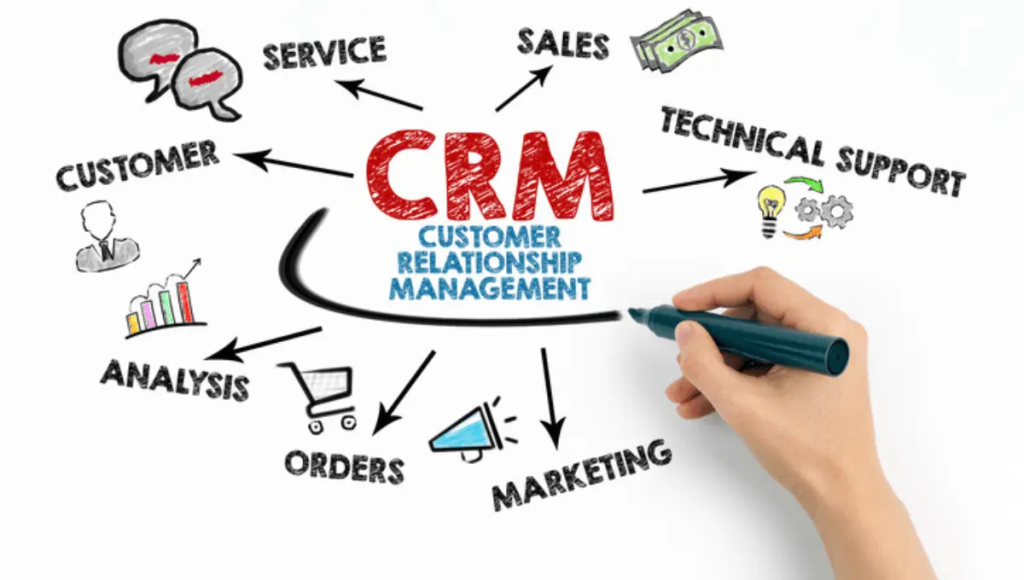
Installing a CRM is only the beginning.
Without a clear strategy, businesses can end up with duplicated records, inconsistent processes and dashboards that provide little practical value.
Before implementing or restructuring a CRM, businesses should consider:
What Information Needs to Be Tracked?
Different organisations have different customer journeys. A B2B company may need detailed information about decision-makers, accounts and sales stages, while another business may have a much shorter purchasing process.
Who Will Use the System?
A CRM should work for the people using it every day. Sales representatives, marketers, managers and customer service teams may all require different information.
What Should Be Automated?
Automation can save considerable time, but it should be applied thoughtfully. Automating a poorly designed process simply makes the same problem happen faster.
HubSpot Onboarding and Implementation
One of the biggest challenges with any new technology is getting the implementation right.
A structured onboarding process can help businesses configure their CRM according to their actual requirements.
This may include:
- Account configuration
- Data organisation
- Pipeline setup
- User permissions
- Workflow creation
- Reporting dashboards
- Team training
Taking the time to establish these foundations can make adoption easier for employees.
Improving Inbound Marketing
Inbound marketing focuses on attracting potential customers through useful and relevant content rather than relying entirely on traditional outbound methods.
A strong inbound strategy may combine:
- Blog content
- Search engine optimisation
- Email marketing
- Landing pages
- Educational resources
- Social media
- Lead nurturing
The CRM becomes particularly useful when these activities are connected to the customer journey.
For example, a company may be able to understand which content a prospect interacted with before submitting an enquiry. That information can help sales teams have more relevant conversations.
Website and CRM Integration
A company’s website is often the first major interaction a potential customer has with the business.
When website forms, landing pages and CRM systems are properly connected, incoming enquiries can be organised automatically.
This can reduce manual data entry and help ensure leads receive appropriate follow-up.
Website design should therefore be considered alongside CRM strategy rather than treated as an entirely separate project.
Marketing Automation Without Losing the Human Touch

Automation can be extremely useful for repetitive tasks.
Businesses can use workflows for activities such as:
- Sending follow-up emails
- Assigning leads
- Updating contact records
- Notifying sales representatives
- Managing marketing subscriptions
- Triggering internal reminders
However, automation should support human communication rather than replace it completely.
Customers can quickly recognise generic messages. Personalisation and relevant timing remain important even when much of the process is automated.
Supporting Sales Teams
A well-structured CRM can give sales teams a clearer view of their opportunities.
Instead of relying on spreadsheets or individual notes, sales representatives can see important information in one place.
Useful CRM information may include:
- Contact history
- Previous conversations
- Deal value
- Sales stage
- Follow-up dates
- Customer interests
- Previous marketing interactions
This visibility can make sales processes more consistent and easier to manage.
Measuring What Actually Works
Data is one of the strongest advantages of a connected CRM and marketing system.
Businesses can monitor metrics such as:
- Lead generation
- Conversion rates
- Website enquiries
- Email engagement
- Sales pipeline value
- Customer acquisition
- Campaign performance
The objective isn’t to collect as many numbers as possible. The more important question is whether the information helps managers make better decisions.
When Should a Business Work With a Specialist?
Some businesses can configure basic CRM functions internally. As requirements become more complicated, however, specialist guidance can save considerable time.
A specialist may be particularly useful when a business needs:
- A new CRM implementation
- Complex automation
- Data migration
- Sales pipeline restructuring
- Marketing integration
- Website improvements
- Employee training
- Performance reporting
The right support can also help prevent businesses from building unnecessarily complicated systems.
Choosing the Right Agency
Not every CRM consultancy approaches projects in the same way.
Before choosing a partner, businesses should consider their practical experience, technical knowledge, understanding of marketing and sales processes, communication style and ability to provide ongoing support.
It is also worth asking how the agency measures success. A good project should ultimately improve business processes rather than simply produce a technically impressive CRM setup.
Looking Ahead
As businesses become increasingly dependent on digital customer journeys, CRM systems will continue to play an important role.
Automation, artificial intelligence, personalised marketing and increasingly detailed customer data are likely to make CRM platforms even more powerful.
However, technology alone won’t create better customer relationships. Businesses still need clear strategies, useful content, good communication and employees who understand how to use the systems available to them.
Conclusion
A CRM can become a powerful business asset when it is properly planned, implemented and maintained. From marketing automation and inbound campaigns to sales management, reporting and customer communication, an integrated system can help teams work more efficiently.
For businesses considering professional CRM support, choosing an experienced hubspot partner agency can provide the strategic and technical guidance needed to turn software into a practical growth tool.
The key is to focus on business objectives first and technology second. When CRM processes are built around the customer journey and the needs of internal teams, businesses are in a much stronger position to generate leads, improve sales efficiency and build lasting customer relationships.
