

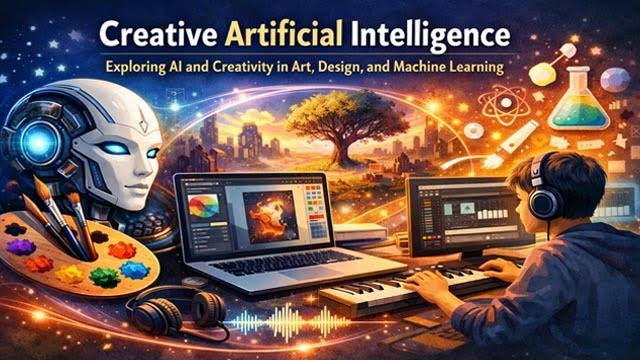
The rapid development of artificial intelligence has introduced a new chapter in digital creativity. Image-focused systems can now interpret photographs, generate visual elements, and perform sophisticated transformations. Interest surrounding technologies such as undressher reflects a wider public conversation about what AI can do and where responsible boundaries should exist.
Why has AI become so influential in visual creativity?
Visual creation once depended heavily on specialized software and technical experience. AI has changed this landscape by automating many complex processes.
Machine-learning systems can recognize visual patterns and generate adjustments based on instructions. This allows users to explore creative possibilities without manually controlling every editing step.
The same accessibility that makes AI powerful also makes responsible usage essential.
What is the difference between editing and generating images?
Image editing modifies an existing visual, while image generation can create new content from instructions or learned visual patterns. Some AI systems combine both approaches.
Modern tools can remove objects, alter backgrounds, improve visual quality, reconstruct missing details, or generate entirely new scenes.
These capabilities demonstrate how quickly the boundary between photography and synthetic imagery is changing.
Why does consent matter when real people appear in images?
A person’s likeness is closely connected to identity and personal dignity. Using an individual’s photograph for AI manipulation without appropriate permission can therefore create significant ethical concerns.
Consent should be considered before an image is processed, transformed, or distributed.
This is particularly important when an alteration changes the apparent circumstances or presentation of a real person.
How can AI-generated imagery influence online trust?
People often use photographs as evidence of identity, events, and experiences. Highly realistic synthetic images can challenge this assumption.
As a result, audiences may need to become more careful about evaluating digital content. Checking sources, considering context, and looking for indications of manipulation can help.
Platforms also have a role in making synthetic or substantially modified content easier to identify.
What privacy risks should users understand?
Uploading a photograph to an AI service may involve processing personal visual information. Users should therefore examine privacy documentation before submitting sensitive material.
Important questions include how long information is retained, whether it is used for model development, who can access it, and whether users can request deletion.
Strong privacy practices benefit both individuals and technology providers.
Can responsible AI support creativity?
Yes. Responsible AI can provide valuable assistance across many fields. Artists can experiment with concepts, businesses can develop visual materials, educators can create demonstrations, and designers can test ideas efficiently.
The technology can expand creative possibilities without requiring users to compromise the rights of others.
The strongest creative applications generally combine automation with human judgment.
What should users avoid when experimenting with AI images?
Users should avoid creating deceptive, humiliating, invasive, or unauthorized imagery involving real individuals. They should also be cautious about sharing manipulated content as though it were authentic.
A responsible workflow begins by asking whether the image subject has provided appropriate permission and whether the final content could reasonably cause harm.
Why are platform policies important?
Policies establish boundaries around acceptable use. Clear rules can help users understand prohibited applications and provide mechanisms for addressing misuse.
Effective policies are particularly important as AI becomes easier to access and visual results become more convincing.
Transparency can also strengthen confidence between platforms and their communities.
What will define the next generation of AI imagery?
Future developments are likely to focus on both capability and accountability. Better generation technology may appear alongside improved authentication, provenance, moderation, and privacy controls.
The most meaningful progress will not simply be measured by how realistic an AI image can become. It will also be measured by how responsibly that technology is developed and used.
AI-powered imagery has extraordinary creative potential. Protecting consent, privacy, authenticity, and human dignity will help ensure that potential develops in a constructive direction.
The Insightful Future of AI Visual Technology: Innovation, Trust, and Privacy
Artificial intelligence is reshaping visual communication at an extraordinary pace. From automated enhancement to advanced image transformation, modern systems can perform tasks that previously required extensive manual work. The growing interest in tools such as undressher also highlights a broader need to discuss AI imagery through the lenses of consent, privacy, authenticity, and responsible innovation.
What is changing in the AI image landscape?
The biggest change is the growing ability of software to understand visual structures. AI systems can analyze images, recognize patterns, and generate modifications that appear consistent with the original material.
This progress has expanded the role of artificial intelligence beyond simple filters. Modern systems can support highly detailed visual workflows across creative and professional environments.
However, technical sophistication also increases the need for careful oversight.
Why is digital authenticity becoming more complicated?
Photographs have traditionally been treated as relatively direct representations of reality. AI challenges that assumption because images can now be created or changed with remarkable realism.
This does not make visual media unreliable by definition. Instead, it means audiences should consider the origin and context of important images.
Source verification and digital literacy are becoming increasingly relevant skills.
How should consent influence image-based AI?
Consent provides an important ethical foundation. When a recognizable individual appears in an image, responsible users should consider whether they have permission to create, transform, or distribute that material.
The fact that an image is publicly accessible does not automatically mean every possible AI manipulation is appropriate.
Respect for individual choice should remain central to the development and use of visual AI.
What privacy questions should users ask?
Before submitting an image to an AI service, users should examine the platform’s privacy practices.
Questions worth considering include whether uploaded files are retained, how personal information is protected, whether data can be deleted, and whether submitted material may be used for additional purposes.
Understanding these policies helps users make informed choices.
Can AI imagery create useful opportunities?
AI image technology can support many constructive applications. It can help creative professionals explore concepts, assist businesses with visual development, and provide new ways to communicate ideas.
It may also contribute to educational visualization, restoration workflows, accessibility tools, and experimental design.
These applications demonstrate that responsible AI can complement human creativity rather than simply replace it.
What are the risks of highly realistic manipulation?
The principal concern is that realistic manipulation can be misunderstood as genuine content. This can affect reputations, relationships, professional situations, and public trust.
Unauthorized or deceptive imagery may cause harm even when its creator considers the process merely experimental.
For this reason, responsible use requires consideration of both the technology and its potential consequences.
How can platforms encourage safer use?
Platforms can establish clear terms, transparent privacy information, effective reporting mechanisms, and safeguards against harmful applications.
Educational guidance can also help users understand the difference between legitimate creative experimentation and inappropriate manipulation.
Responsible design should be considered part of technological quality rather than an optional feature.
What role does human judgment play?
AI can process visual information quickly, but it does not replace human responsibility. People determine why an image is created, whose likeness is involved, and where the resulting content may be shared.
Human judgment is therefore essential throughout the process.
Users should pause before publishing manipulated imagery and consider whether it respects privacy, consent, accuracy, and dignity.
What can users expect from the future?
AI visual technology will likely become more sophisticated, accessible, and integrated into everyday digital experiences. Alongside these developments, expectations for transparency and accountability are likely to become stronger.
The future of image AI should not be defined solely by technical realism. Trust, privacy, consent, and responsible innovation will be equally important.
When these principles guide development, AI can remain a powerful creative technology while supporting a healthier and more trustworthy digital environment.
