

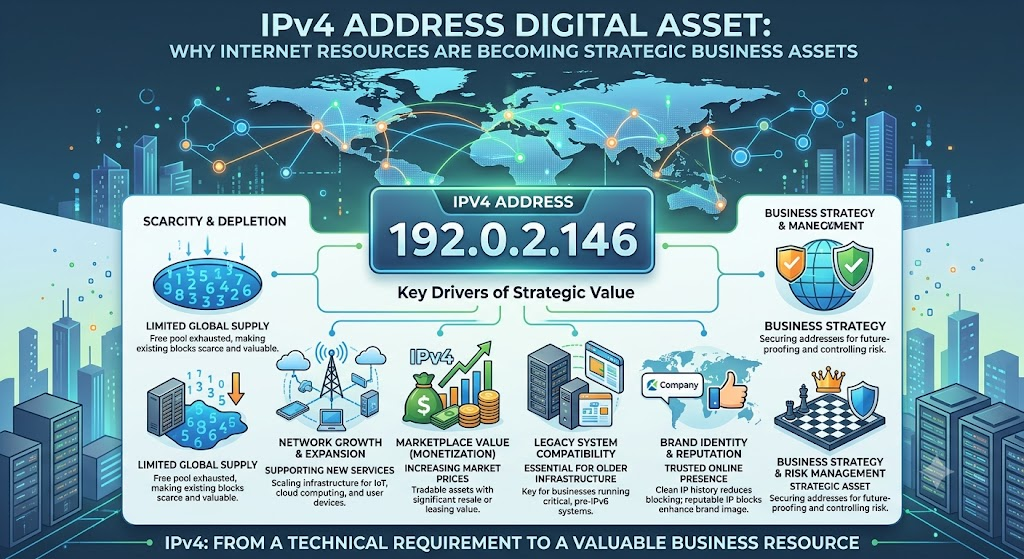
For decades, IP addresses were viewed simply as technical identifiers that allowed devices to communicate online. They were assigned, configured, and managed by IT departments with little attention outside networking circles.
Today, that perspective is rapidly changing.
As the digital economy expands and IPv4 availability becomes increasingly limited, organizations are beginning to recognize that these resources may carry measurable financial value. In many cases, what was once considered a routine operational necessity is now being discussed in boardrooms as a strategic asset.
The growing conversation around the IPv4 Address Digital Asset concept reflects a broader shift in how businesses evaluate critical digital infrastructure.
The Growing Scarcity of IPv4 Addresses
IPv4 addresses serve as the foundation of much of today’s Internet infrastructure. However, the number of available IPv4 addresses is finite.
With billions of connected devices worldwide and continued growth in cloud services, telecommunications, and enterprise technology, demand has steadily increased while supply remains limited.
From what I’ve observed, many organizations only begin evaluating their address holdings when expansion plans, acquisitions, or infrastructure modernization projects reveal just how valuable these resources have become.
Scarcity naturally influences value, and IPv4 addresses are no exception.
Are IP Addresses Assets or Operational Tools?
Traditionally, businesses treated IP addresses as operational necessities rather than financial resources.
However, several developments have challenged that assumption:
Market Value
Organizations increasingly participate in transfers involving IPv4 address blocks, highlighting their economic significance.
Strategic Importance
Reliable access to Internet resources supports business continuity, customer experiences, and digital growth initiatives.
Financial Considerations
Companies conducting audits may discover underutilized address space with potential strategic value.
These factors have encouraged executives and technology leaders to rethink whether IP addresses should be viewed solely through a technical lens.
Understanding the Liability Perspective
While IPv4 resources can represent value, ownership and stewardship also introduce responsibilities.
Potential concerns include:
Governance Requirements
Organizations must maintain accurate records and demonstrate responsible resource management.
Security Risks
Improperly managed address allocations can expose businesses to operational vulnerabilities.
Regulatory and Policy Considerations
Internet governance frameworks continue to evolve, requiring organizations to remain informed about applicable policies.
Reputation and Due Diligence
Historical misuse associated with certain address blocks can create unexpected complications if proper investigations are not conducted.
Recognizing these risks is essential when evaluating the overall role of Internet resources within an organization.
Why Strategic Management Matters
Businesses increasingly rely on digital infrastructure to support operations, innovation, and growth.
As a result, decision-makers are beginning to ask important questions:
- Are our IPv4 resources being fully utilized?
- Do we understand their strategic importance?
- How should these resources be governed internally?
- What risks accompany ownership or acquisition?
- How can we align Internet resources with long-term objectives?
Organizations that proactively address these questions are often better positioned to make informed decisions.
Rethinking the IPv4 Address Digital Asset Debate
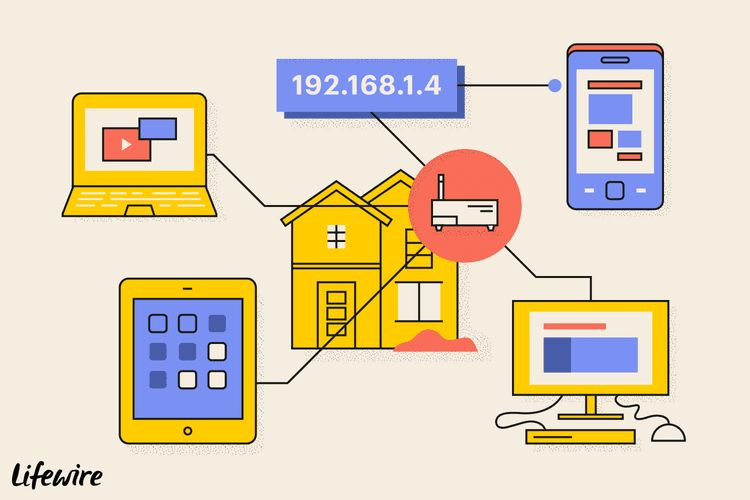
The conversation surrounding the IPv4 Address Digital Asset framework reflects a more mature understanding of Internet infrastructure.
Rather than viewing IP addresses exclusively as assets or liabilities, many experts suggest evaluating them through both perspectives simultaneously.
This balanced approach recognizes that valuable resources require thoughtful governance, oversight, and strategic planning.
For businesses operating in an increasingly connected world, understanding both the opportunities and responsibilities associated with Internet resources has become essential.
Future Outlook: The Evolution of Digital Infrastructure
Although IPv6 adoption continues to grow, IPv4 remains deeply embedded across global networks.
Organizations will likely continue managing mixed environments for years to come.
This reality reinforces the importance of:
- Effective resource governance
- Strategic planning
- Infrastructure transparency
- Risk assessment
- Cross-functional collaboration between finance, legal, and IT teams
Businesses that develop clear frameworks for managing Internet resources can improve resilience while supporting future growth initiatives.
Practical Steps for Organizations
To better understand the role of IPv4 resources within your organization:
Conduct Regular Audits
Review address utilization to identify inefficiencies and opportunities.
Strengthen Governance Policies
Establish clear ownership, documentation, and accountability procedures.
Collaborate Across Departments
Financial, legal, and technical stakeholders should work together when evaluating strategic implications.
Monitor Industry Developments
Internet governance practices and market conditions continue to evolve.
Conclusion
The question of whether IP addresses represent assets or liabilities no longer has a simple answer.
As digital transformation accelerates and IPv4 scarcity persists, these Internet resources increasingly occupy a unique position within organizational strategy. Their value extends beyond technical functionality, while their management requires careful oversight and informed decision-making.
Understanding the broader implications of the IPv4 Address Digital Asset discussion allows businesses to approach Internet infrastructure not merely as a technical necessity, but as an important component of long-term digital resilience and strategic planning.
