

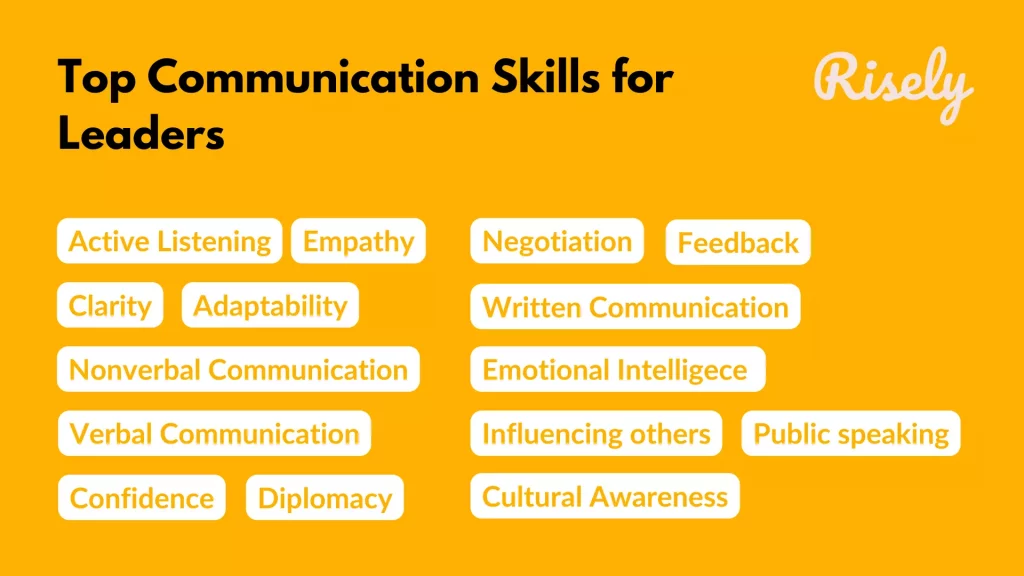
Improving communication and leadership skills early in your career can open doors to long-term success. Many young professionals and students look for roles that strengthen their ability to work with people, solve problems, and guide teams with confidence. Whether you are applying for part-time work or exploring jobs abroad, choosing positions that naturally build these abilities can make a meaningful difference in your future career path.
Customer Service Roles Build Confidence and Clarity
Customer service positions are among the most effective ways to sharpen communication skills. These roles require you to interact with a wide variety of people, understand their concerns, and respond with clarity and empathy. Whether you work in retail, hospitality, or a call support environment, you learn how to stay calm under pressure and convey solutions in a positive manner. These skills carry over into leadership because great leaders must know how to guide others and address challenges with patience and professionalism.
Tutoring and Teaching Encourage Strong Public Speaking Abilities
Working as a tutor or assistant teacher is another excellent opportunity to improve your communication and leadership. When you explain concepts to students, you must break information down in a clear, engaging way. This strengthens your ability to articulate ideas, manage time, and build trust. Teaching also requires consistent leadership moments like motivating students, resolving conflicts, and creating a productive learning environment. These experiences help you grow into a more confident communicator, preparing you for roles that require guiding groups or presenting information.
Team Leader Positions Strengthen Decision-Making and Responsibility
Many workplaces offer team leader or shift supervisor roles even to those at the beginning of their careers. These positions challenge you to take responsibility for team performance, assign tasks, and make quick judgments when unexpected issues appear. Leading a small team builds essential leadership traits such as accountability, problem-solving, and the ability to motivate others. These skills become invaluable later, especially if you pursue management roles or plan to advance in more competitive fields.
Internships Offer Real-World Communication Challenges
Internships allow young professionals to experience real-world communication dynamics that go beyond the classroom. You talk to coworkers, bosses, and sometimes clients, which helps you learn how to change the way you talk to different people. Internships also help you practice leadership through project ownership. As you handle assignments, collaborate with others, and sometimes guide small tasks or groups, your confidence and persuasive abilities grow. This hands-on experience becomes a strong foundation for more advanced opportunities.
Volunteer Work Teaches Compassion and Collaborative Leadership
Volunteering is often overlooked, but it is a powerful way to build communication and leadership in a supportive setting. Community centers, charity events, and youth programs rely on volunteers to coordinate activities, assist participants, and manage small teams. These roles encourage active listening, empathy, and responsibility. Because volunteer work often involves diverse groups, you develop adaptability and emotional intelligence, two qualities essential for professional growth. These strengths help you excel in both local positions and competitive roles when seeking jobs abroad.
Hospitality and Event Roles Enhance Interpersonal Skills
Working in restaurants, hotels, or event venues exposes you to fast-paced environments where communication is essential. You learn how to speak clearly, think quickly, and coordinate with multiple departments. Leadership opportunities often arise naturally as you take charge of tasks during busy periods or help new team members. The hospitality field, in particular, values strong communication and calm leadership, making these roles excellent training grounds for future career advancement.
Final Thoughts
Choosing jobs that challenge you to communicate effectively and lead others is one of the smartest steps you can take early in your career. Whether through customer service, tutoring, internships, volunteering, or hospitality, each role strengthens your interpersonal abilities and prepares you for long-term success. These experiences not only help you grow professionally but also give you the confidence to pursue bigger goals, including competitive opportunities and enriching jobs abroad.
