

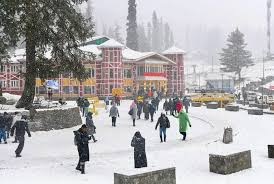
Kashmir has officially entered Chillai Kalan, the harshest and coldest period of winter. Chillai Kalan lasts for 40 days and is known for freezing temperatures, heavy snowfall, and icy conditions across the Valley. During this time, life slows down as people prepare to face extreme cold.
The term Chillai Kalan comes from the Persian language, meaning “major cold.” This phase usually begins in late December and continues until the end of January. During these weeks, temperatures often fall well below zero, especially at night. Lakes, rivers, and water bodies partially freeze, and fresh snowfall blankets the region in white.
For locals, Chillai Kalan is a time of preparation and resilience. People rely on traditional heating methods like kangris (fire pots) and heavy woolen clothing to stay warm. Homes are sealed properly to keep out the cold, and special winter foods are prepared to provide energy and warmth. Despite the challenges, the people of Kashmir continue their daily lives with patience and strength.
Chillai Kalan also plays an important role in Kashmir’s environment. The snowfall during this period helps maintain water levels in rivers and streams, which is essential for agriculture in the coming months. Farmers see this snowfall as a blessing, as it supports crops and orchards later in the year.
At the same time, Chillai Kalan turns Kashmir into a winter wonderland for tourists. Snow-covered mountains, frozen lakes, and scenic landscapes attract visitors from different parts of the country. Popular destinations like Gulmarg become hotspots for winter sports such as skiing and snowboarding.
However, authorities remain alert during this time, as heavy snowfall can disrupt road connectivity, power supply, and daily services. People are advised to stay cautious and follow weather updates.
For more updates and detailed coverage on weather, lifestyle, and current affairs, visit News Fit hub.
Chillai Kalan may be tough, but it also showcases the beauty, culture, and resilience of Kashmir during its coldest days.
