

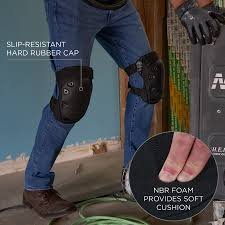
Knee protection products are widely used in sports, fitness training, recreational activities, and physically demanding occupations. From weightlifting and volleyball to cycling and floor-based exercises, different activities place different demands on the knee joint. As a result, manufacturers must consider more than basic coverage when developing protective equipment. Material selection, flexibility, cushioning, ergonomic construction, and long-term durability all influence the quality of the finished product.
For sports equipment brands, developing a successful knee protection range requires a clear understanding of how products will be used and what customers expect from them. A knee sleeve designed for regular gym training, for example, may require different material properties from a padded knee protector intended for activities involving frequent contact with hard surfaces.
These differences make product development an important process for businesses entering the sports support industry. Understanding the relationship between materials and design can help buyers establish better product specifications, evaluate suppliers, and create products that meet practical market requirements.
Understanding Different Knee Protection Applications
Knee protection is not a single product category. It includes several designs that serve different purposes, and understanding these distinctions helps manufacturers develop more appropriate solutions.
Knee sleeves are generally designed to fit closely around the knee. They commonly use elastic textile combinations that provide compression and flexibility during movement. Athletes may use them during strength training, running, cycling, and other physical activities where a comfortable fit is important.
Knee pads typically focus more on physical coverage and cushioning. They may include foam inserts or protective panels designed to reduce direct contact with hard surfaces. These products are relevant to activities such as volleyball, wrestling, flooring work, and certain types of occupational tasks.
Some products combine elements of both designs, depending on their intended application. However, combining features requires careful consideration of weight, flexibility, ventilation, and fit.
Before beginning production, businesses should identify the primary activities their customers perform. This information provides a foundation for choosing the appropriate product structure and materials.
Choosing Materials for Better Performance
The materials used in knee protection products influence comfort, flexibility, durability, and overall construction quality. Selecting the right combination requires evaluating the properties of each textile or cushioning component.
Nylon is frequently considered for sports support products because of its strength, smooth texture, and abrasion resistance. Polyester is another common option, offering useful durability and compatibility with different textile constructions.
Spandex, also known as elastane, is often blended with other fibers to improve stretch and recovery. This property is particularly important for knee sleeves because the fabric must accommodate movement while maintaining a reasonably consistent fit.
The material composition should reflect the intended product application. A sleeve designed for repeated stretching during exercise needs sufficient elasticity, while a protective knee pad may require stronger outer fabric to withstand friction.
Manufacturers should also evaluate fabric thickness, surface texture, weight, and recovery after repeated stretching. These characteristics help determine whether a material is suitable for a particular product design.
The Role of Cushioning in Protective Equipment
Cushioning is an important consideration when developing knee pads. The objective is to provide suitable coverage without making the product unnecessarily bulky or difficult to move in.
EVA foam is commonly used in protective equipment because it is lightweight and available in different densities and thicknesses. Depending on the formulation, it can offer cushioning while maintaining a relatively flexible structure.
The selection of foam should be based on the product’s intended use. A knee protector designed for occasional floor exercises may have different cushioning requirements from one intended for repeated contact with hard surfaces.
Manufacturers must also consider the shape and positioning of protective inserts. If padding moves away from the intended coverage area during activity, the product may become uncomfortable or less practical.
A secure construction helps keep cushioning in its intended position. This can involve carefully designed fabric pockets, reinforced stitching, or other suitable assembly methods.
Businesses should request product samples and evaluate the construction before approving bulk manufacturing. Photographs alone cannot fully demonstrate how padding behaves during actual movement.
Designing Compression Without Restricting Movement
Compression is one of the main design characteristics of many knee sleeves. However, achieving an appropriate level of compression requires balancing support, comfort, and flexibility.
A product that is too loose may slide down during exercise. Excessive tightness, on the other hand, can create discomfort and make extended use difficult.
Designers should consider the natural shape of the leg and the way the knee changes position during different activities. Measurements around the thigh, knee, and calf can help establish suitable sizing specifications.
Fabric elasticity must also be consistent throughout the product. Different knitted structures or material combinations may be used to create varying levels of stretch in particular areas.
Some designs incorporate reinforced zones or different fabric densities to improve fit. These features should be tested to determine whether they provide practical benefits without creating unnecessary pressure.
It is also important to distinguish between general compression products and medically intended orthopedic devices. Businesses should ensure that product descriptions and performance claims accurately reflect the intended use and available testing evidence.
Why Breathability Matters During Physical Activity
Perspiration and heat can significantly affect the wearing experience of sports support products. Materials that retain excessive moisture may become uncomfortable during long training sessions, especially in warm environments.
Breathable fabrics can help improve comfort by allowing better airflow. Mesh panels and moisture-managing textile blends are possible options for products intended for active use.
However, ventilation must be considered alongside other construction requirements. A material that provides excellent airflow may not offer sufficient elasticity or structural strength for a particular application.
Designers should evaluate how different fabric sections work together. For example, a product might use a more elastic central section while incorporating breathable panels in areas where ventilation is especially useful.
Wearing tests can help identify whether the finished product remains comfortable during realistic activities. Testing should consider different exercise durations, movement patterns, and environmental conditions.
Customization for Different Sports and Customer Groups
Sports equipment businesses often serve customers with different preferences, activity levels, and product requirements. A single standard design may not satisfy every market segment.
Customization provides an opportunity to adjust product dimensions, fabric combinations, colors, cushioning, stitching, and branding. These decisions should be based on market research rather than appearance alone.
For example, businesses developing protective equipment for volleyball players may prioritize front-knee cushioning and flexibility. Brands targeting gym users may focus more on compression, fabric recovery, and a secure fit.
When discussing product specifications with a knee pad manufacturer, buyers can evaluate different cushioning structures, fabric choices, protective coverage, and customized dimensions according to their intended application.
Providing reference samples, technical drawings, and measurement details can make the customization process more efficient. It also helps manufacturers understand the expected appearance and construction of the finished product.
Ergonomic Construction and Anatomical Fit
An effective knee protection product should accommodate the natural movement of the joint. This requires attention to shape, stitching, panel placement, and the relationship between different material sections.
The knee bends and extends during walking, running, jumping, and squatting. A poorly designed product may fold, shift, or create pressure points during these movements.
Anatomical shaping can help the product follow the natural contours of the leg. Contoured panels, flexible zones, and appropriately positioned seams may improve the overall wearing experience.
Seam placement deserves particular attention. Seams positioned directly over areas of frequent bending may cause friction or irritation during repeated movement.
Designers should also consider how the product fits different body proportions. A sample that performs well on one individual may not provide an equally comfortable fit for every customer.
Testing multiple sizes and collecting feedback from different users can help identify fitting problems before production quantities increase.
Developing Knee Sleeves for Consistent Fit
Knee sleeves require a different set of design priorities from heavily padded knee protectors. Their performance depends significantly on textile construction, elasticity, and sizing accuracy.
Knitted fabric structures can be developed to provide different stretch characteristics across the product. The upper and lower sections may require sufficient resistance to help maintain positioning, while the central area needs to accommodate repeated knee movement.
Material recovery is especially important. A sleeve should maintain its intended dimensions after repeated stretching and normal care. Poor recovery may cause the product to become loose over time.
For businesses planning a customized product range, working with a knee sleeves manufacturer can provide an opportunity to discuss fabric blends, compression preferences, knitting patterns, sizing options, and private-label specifications.
Sample evaluation should include checking the fit during different movements rather than assessing the product only when standing still. This provides a more realistic understanding of its suitability.
Quality Control Throughout Manufacturing
Even a well-designed product can experience problems if manufacturing quality is inconsistent. Quality control should therefore be included throughout the production process rather than limited to a final visual inspection.
The first stage involves checking incoming materials. Fabric thickness, color consistency, elasticity, surface condition, and cushioning dimensions should be compared with approved specifications.
During cutting and assembly, manufacturers should monitor measurement accuracy, seam strength, panel alignment, and stitching consistency. Small variations can influence the final fit, especially when products are manufactured in multiple sizes.
Finished products should undergo appropriate inspections before packaging. Depending on the design, these may include dimensional measurements, stretch and recovery checks, seam examinations, and padding-position assessments.
Businesses should also consider pre-shipment inspections when placing larger orders. Comparing finished products against approved samples helps reduce the risk of receiving goods that differ from the agreed specifications.
A documented inspection process can make communication between buyers and manufacturers more effective. When problems are identified, both parties can refer to specific product requirements instead of relying on general descriptions.
Evaluating Durability Before Bulk Production
Durability is an important purchasing consideration for sports equipment brands. Customers generally expect protective products to maintain their shape and construction through regular use.
Several practical tests can help evaluate durability. Repeated stretching can reveal whether fabric loses elasticity. Washing tests may identify shrinkage, fading, or changes in material performance.
Seam inspections can reveal weak stitching, while examinations of protective inserts can determine whether cushioning remains properly positioned after repeated movement.
For padded products, businesses may also evaluate whether foam retains its shape after compression. The appropriate testing method depends on the material and intended application.
Testing should be completed before approving large production orders whenever possible. Identifying material or construction problems during sample development is generally easier than addressing them after products have been distributed.
Clear care instructions should also be provided so customers understand appropriate washing, drying, and storage practices.
Packaging and Product Presentation
Packaging is another part of product development that deserves attention, particularly for wholesale and private-label businesses.
Sports protection products may be sold through physical retailers, online marketplaces, distributors, or specialized sporting goods stores. Each sales channel can have different packaging requirements.
Businesses should consider including product dimensions, size information, material details, care instructions, and relevant usage information on packaging or accompanying labels.
Private-label branding may involve customized colors, logos, tags, packaging designs, and product identification. However, these elements should remain consistent with the actual product specifications.
Accurate sizing charts are particularly important for online sales because customers cannot physically try on the product before purchasing. Providing clear measurement instructions can reduce confusion and help customers make more informed selections.
Building a Reliable Product Development Strategy
Developing a successful knee protection range requires cooperation between product buyers, designers, and manufacturing teams.
The process should begin with research into the target market. Businesses need to understand which activities their customers participate in, what features they value, and how existing products perform.
The next step is preparing a detailed technical specification. This document should describe the intended application, materials, measurements, construction methods, color preferences, and customization requirements.
Sample development then provides an opportunity to assess the proposed design. Buyers can examine fit, flexibility, cushioning, stitching, and overall comfort before requesting modifications.
Once the sample is approved, the final specifications should be documented clearly. Production monitoring and inspection procedures can help maintain consistency across larger quantities.
Businesses should also maintain communication with suppliers when introducing new materials or design changes. A change in fabric composition or construction technique may affect other product characteristics, so adjustments should be evaluated carefully.
Conclusion
Modern knee protection products require a thoughtful combination of material selection, ergonomic design, and manufacturing quality. Although knee pads and knee sleeves serve related purposes, their construction requirements differ according to their intended applications.
Fabric elasticity, cushioning, breathability, seam placement, and sizing all influence the final product experience. Businesses that understand these factors can make more informed decisions when developing or sourcing sports protection equipment.
A structured product development process also helps reduce manufacturing inconsistencies and improve communication with suppliers. By combining practical testing, clear specifications, and appropriate customization, sports equipment brands can develop knee protection products that better match the expectations of their customers and the demands of different physical activities.
