

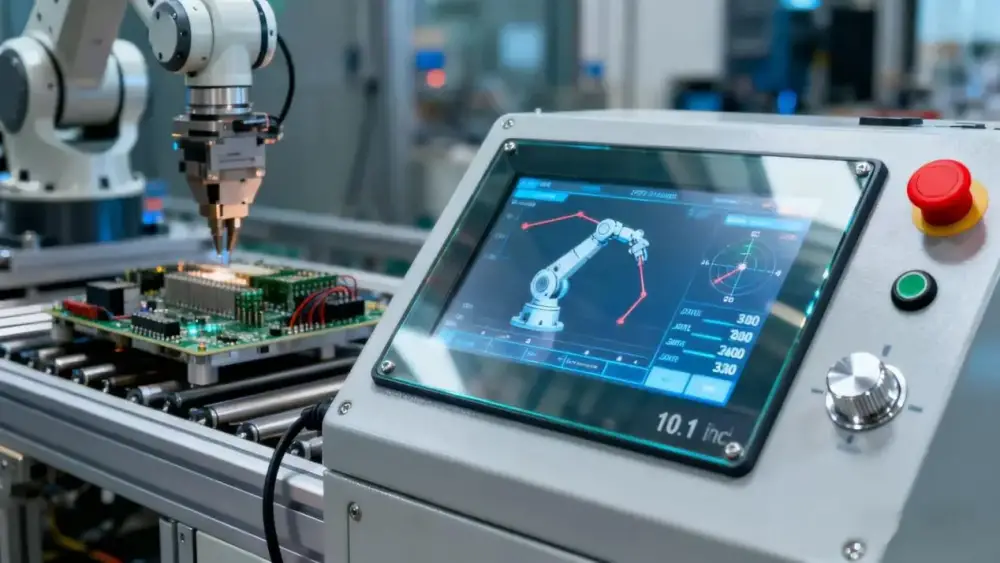
An LCD module manufacturer plays a crucial role in today’s technology-driven world. From smartphones and televisions to medical equipment and automotive dashboards, liquid crystal display (LCD) modules are the foundation of visual output in countless electronic devices. Without the precision engineering and advanced manufacturing processes of LCD module producers, modern digital screens would not exist in their current form.
An LCD module typically consists of several key components: the liquid crystal display panel, backlight unit, driver ICs, polarizers, and protective glass. Manufacturers integrate these components with extreme precision to ensure high clarity, color accuracy, brightness, and durability. The quality of an LCD module directly impacts user experience, making manufacturing standards extremely important.
Leading LCD module manufacturers operate in highly competitive global markets. Companies such as Samsung Display, LG Display, and BOE Technology Group dominate the industry with large-scale production facilities and continuous innovation in display technologies. These companies invest heavily in research and development to improve energy efficiency, resolution, and response times while reducing production costs.
The manufacturing process begins with the creation of thin-film transistor (TFT) glass panels, which serve as the foundation of the display. These panels are then treated with liquid crystal materials that respond to electrical signals. When voltage is applied, the crystals align in specific patterns, controlling how light passes through the screen. This process allows images, videos, and text to appear clearly on the display.
Backlighting is another essential part of LCD module manufacturing. Most LCDs use LED backlights to illuminate the screen evenly. Manufacturers carefully design these systems to ensure uniform brightness and prevent issues such as light leakage or uneven color distribution. Advanced LCD modules may also include features like wide viewing angles, high refresh rates, and touch-screen integration.
Quality control is a critical stage in LCD module production. Manufacturers conduct rigorous testing to check for dead pixels, color consistency, brightness levels, and durability under different environmental conditions. Even minor defects can affect performance, so precision is essential throughout the entire production line.
LCD module manufacturers also serve a wide range of industries. In consumer electronics, they supply displays for smartphones, tablets, laptops, and televisions. In automotive applications, LCD modules are used in digital dashboards, navigation systems, and infotainment displays. In healthcare, high-resolution LCD screens are essential for diagnostic equipment such as ultrasound machines and patient monitors.
With the growing demand for smarter and more energy-efficient devices, LCD module manufacturers continue to innovate. Although newer technologies like OLED and MicroLED are emerging, LCD technology remains widely used due to its affordability, reliability, and mature production infrastructure.
In conclusion, an LCD module manufacturer is at the heart of modern display technology. Through advanced engineering, strict quality control, and continuous innovation, these manufacturers ensure that millions of devices around the world deliver clear and reliable visual performance every day.
