

Introduction
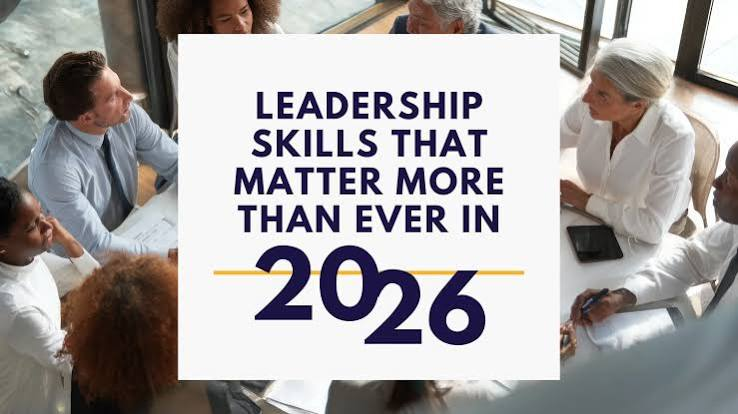
Identifying the leadership skills that matter most in 2026 starts with recognizing that teams are navigating constant tool shifts, evolving customer expectations, and high levels of change fatigue. Leaders who rely solely on authority or technical know-how struggle when priorities move quickly, whereas modern leaders pair AI and data fluency with empathy, clear communication, sound judgment, and trust. Strong leadership turns uncertainty into shared direction without burning people out. At the same time, aligned cross-functional teams help online brands turn store upgrades, customer experience, and retention into steady ecommerce growth. Developing the right habits keeps both people and performance moving forward.
Sharpist
How to Build Leadership Skills That Matter Most in 2026 & Drive Ecommerce Growth
1. Lead Change With Empathy, Emotional Intelligence, and Change Fatigue Awareness
Change is continuous, and teams feel strain when new tools, reorganizations, or shifting targets arrive back-to-back. Leaders with strong emotional intelligence and empathy listen actively, explain the context behind shifts openly, acknowledge real friction, and steady morale during transition. Pairing candid communication with human understanding builds trust and keeps key people anchored when plans evolve.
2. Combine AI Literacy and Data Literacy With Analytical & Critical Thinking
As AI and analytics become everyday parts of work, leaders do not need to code every model, but they do need practical fluency in where AI helps, where it falls short, and what metrics actually matter. Analytical and critical thinking help leaders ask sharper questions, spot flawed assumptions or noisy data,
3. Align Cross-Functional Teams Around Ecommerce Growth Priorities
Online stores rarely grow on marketing or operations alone—they require merchandising, site UX, payments, support, and fulfillment moving in sync. Collaborative leaders break down silos and keep teams focused on practical ecommerce growth levers such as smoother mobile checkout, clear product pages, strong trust signals, and repeat customer loyalty. Clear alignment prevents teams from pulling in opposite directions.
4. Make Strategic Decisions Under Uncertainty With Clear Accountability
Waiting for 100% certainty in fast markets often means missing the window. Strategic leaders weigh long-term trade-offs, prioritize what moves the needle under pressure, and make timely decisions with incomplete information while balancing speed with diligence. Owning outcomes honestly—without shifting blame—sets a clear standard of accountability across the organization.
5. Build Trust-Based Relationships, Active Listening, and Coaching Habits
High engagement grows out of genuine working relationships rather than purely transactional check-ins. Leaders who invest in individuals, invite candid feedback, and coach teammates through real problems multiply capability across the group. When people feel safe speaking up early, small roadblocks get solved before turning into bigger failures.
Continuous Learning Across Teams
Curiosity and continuous learning keep leaders and teams relevant as markets and technology shift. Encouraging creative problem-solving, testing new approaches thoughtfully, and modeling a growth mindset yourself helps teams adapt faster and find better ways to serve customers.
Why Modern Leaders Link Team Alignment to Sustainable Ecommerce Growth
Leadership habits only create real impact when they show up in daily customer and team outcomes. When leaders align teams around ecommerce growth—refining checkout friction, payment reliability, product clarity, personalized follow-ups, and strong post-purchase retention—small improvements compound across the entire funnel.
Instead of chasing every shiny trend at once, focus teams on clear metrics, test changes carefully, and protect customer trust at every touchpoint. Steady leadership turns everyday execution into durable business results.
Frequently Asked Questions: Ecommerce Growth & Store Execution
How do you drive sustainable ecommerce growth?
Sustainable ecommerce growth comes from combining a friction-free buying experience and strong conversion optimization with repeat customer retention, reliable operations, and customer-focused merchandising rather than relying on short-term traffic spikes alone.
CXL
What are the best strategies to grow an online store?
Effective strategies include optimizing mobile speed and product page clarity, reducing checkout drop-off and offering trusted payment options, building post-purchase onboarding and retention flows, and personalizing experiences based on customer needs.
CXL
How do you increase conversion rate and average order value in ecommerce?
You can lift conversion rate and average order value by simplifying checkout, displaying clear pricing, shipping/return details, and authentic reviews, and offering relevant bundles or add-ons that add genuine value.
Stripe
How do you retain customers and boost repeat purchases in ecommerce?
Boost repeat orders by delivering smooth onboarding and dependable fulfillment, personalizing follow-ups and loyalty perks, and listening to customer feedback to keep earning trust after the first purchase.
Conclusion
Developing the leadership skills that matter most in 2026 comes down to leading change with empathy and emotional intelligence, pairing AI and data fluency with critical thinking, making clear decisions under uncertainty, building trust-based relationships, and modeling continuous learning. When aligned execution supports focused ecommerce growth, teams perform better and customers stay longer. Pick one leadership habit to practice in your next team check-in and one store improvement to prioritize this week.
Rowan Blog
