

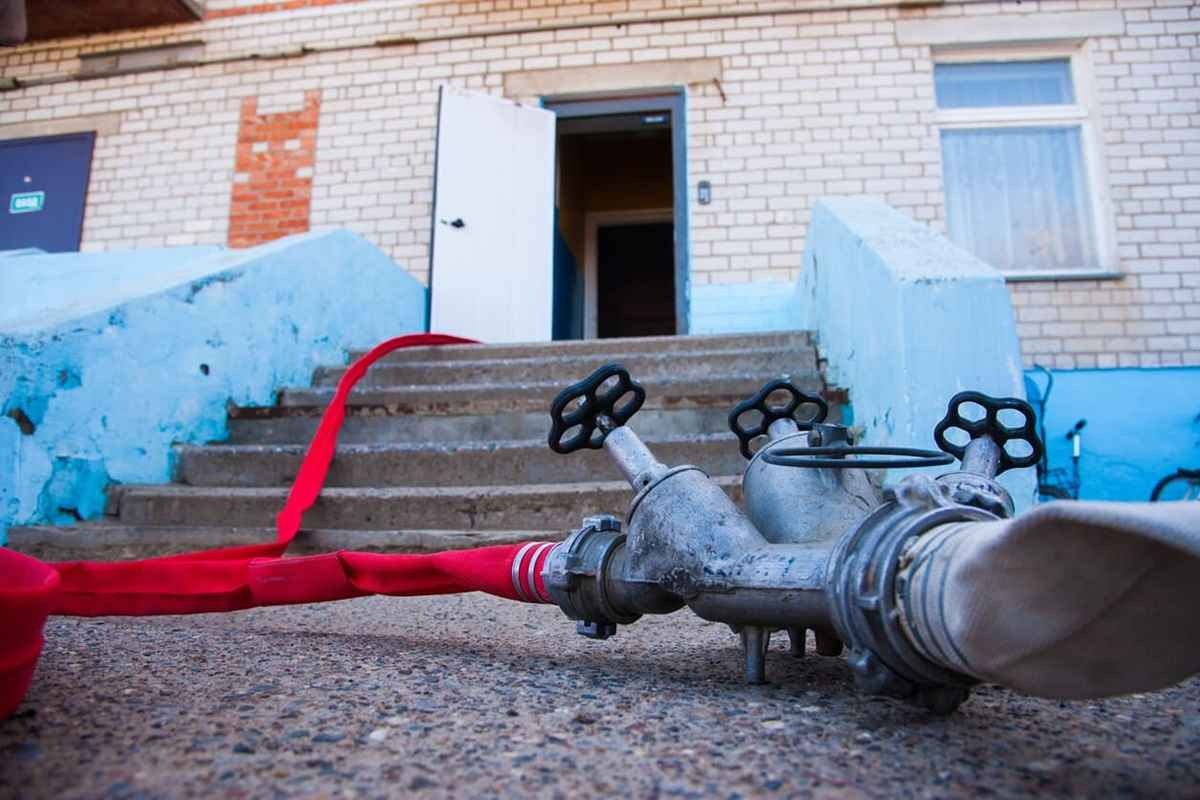
When fires break out far from urban infrastructure, access to water becomes one of the most critical factors in controlling the incident. Wildland fires can spread across mountains, valleys, and dense forests where no hydrants or fixed supply networks exist. Industrial sites or remote energy facilities can also be located kilometers away from reliable water sources. In these situations, firefighters must establish long-distance supply lines capable of transporting large volumes of water over rugged terrain while maintaining safe and effective operating pressure.
These demands have reshaped hose technology. What was once a straightforward piece of equipment must now deliver high mechanical strength, low friction, and manageable weight, while withstanding heat, abrasion, and unpredictable field conditions.
Maintaining Pressure Across Extended Distances
Moving water over long stretches is a complex engineering challenge. Friction inside the hose causes pressure to drop, and elevation changes can further reduce flow at the fire front. Modern long-distance hoses combat this by using extremely smooth internal linings that reduce turbulence and energy loss. Synthetic rubber and advanced polymer coatings keep the inner surface slick while maintaining flexibility.
Pump strategy plays an equally vital role. Relying on a single pump to push water several kilometers is inefficient and risks leaving nozzles with inadequate flow. Instead, crews often establish relay pumping systems, placing portable high-output pumps at intervals to boost pressure. These units can adjust automatically to demand, ensuring a stable water supply despite changing terrain or hose length.
Reducing Weight Without Sacrificing Strength
Deployment speed is essential during wildland and large industrial fires. Hoses that are too heavy or stiff slow crews and consume energy needed elsewhere in the operation. Modern designs use high-strength synthetic fibers to reinforce the hose wall without adding unnecessary bulk. Outer jackets are abrasion-resistant but thinner than older constructions, keeping the overall weight lower.
The use of lay-flat technology has become standard for long-distance supply lines. When empty, the hose collapses into a flat, compact shape for transport and storage. Once filled, it fully expands to maintain flow and pressure. This design significantly improves portability, especially in mountainous or forested regions where vehicles may not reach the fire line.
Reliable Coupling Systems for Extended Networks
A supply line that stretches for kilometers may include dozens of connections. Each joint must remain secure and leak-free under varying pressures and temperatures. Quick-connect couplings with standardized profiles allow firefighters to build or modify long hose runs quickly, even under stress. For very high-pressure applications, reinforced flanges and robust sealing systems help prevent failure when the hose expands under load or experiences sudden temperature changes.
Placement of couplings also requires forethought. Avoiding sharp bends, heavy traffic areas, or points of high mechanical stress reduces the likelihood of wear and accidental disconnections during operations.
Strategic Deployment in Complex Terrains
Designing and setting up a long-distance water line is a tactical operation in itself. Crews analyze topography to select routes that reduce pressure loss, avoid hazards, and stay accessible for maintenance. In wildland firefighting, progressive hose lays allow teams to extend the line step by step as they move closer to the fire.
Protective coverings or bridges are used where hoses cross roads or encounter potential impact points. Increasingly, digital mapping and hydraulic calculation tools assist in planning. These systems model pressure requirements, suggest optimal pump placement, and help coordinate teams during fast-moving fire events.
Innovation Shaping the Future of Fire Hoses
The next generation of high-pressure, long-distance fire hoses is defined by both performance and intelligence. Materials continue to evolve toward lighter yet tougher designs, with better resistance to heat, UV exposure, and abrasion. Integrated pressure and flow sensors are emerging, giving command centers real-time insight into water delivery.
At the same time, pumps and supply systems are becoming more automated, adjusting output to terrain and line length without constant manual intervention. Sustainability is also influencing development, with manufacturers exploring recyclable materials and PFAS-free coatings while maintaining high durability.
As climate change drives more frequent and intense wildfires and industries face increasingly complex fire risks, long-distance water delivery systems are becoming a cornerstone of firefighting strategy. Modern high-pressure hoses, paired with smart pumping and tactical planning, enable crews to work effectively even where infrastructure is absent and conditions are at their most demanding.
