

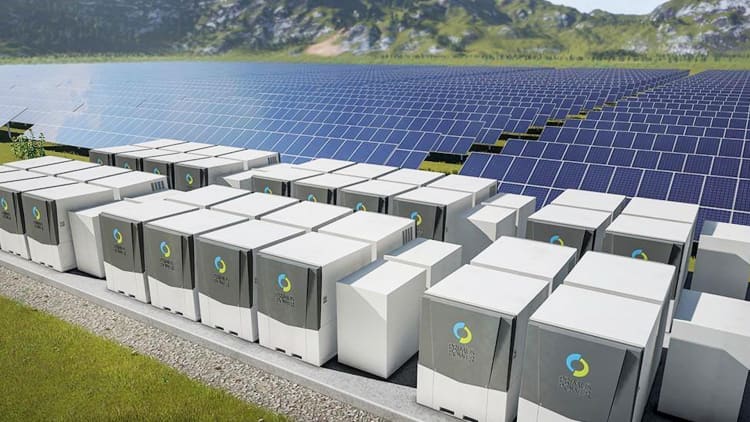
As the world moves toward cleaner and more sustainable energy sources, solar power has become one of the most popular renewable energy solutions. However, solar panels only generate electricity when sunlight is available. To ensure a continuous power supply during the night or cloudy weather, energy storage systems are essential. Among the various storage technologies available today, lithium ion solar battery have emerged as the preferred choice for homeowners, businesses, and large-scale solar installations.
Lithium ion solar Battery are rechargeable energy storage devices designed to store excess electricity generated by solar panels. This stored energy can be used later when solar production decreases or electricity demand increases. Their ability to efficiently store and release power makes them a key component of modern solar energy systems.
One of the biggest advantages of lithium ion solar battery is their high energy density. Compared to traditional lead-acid batteries, lithium-ion batteries can store more energy in a smaller and lighter package. This space-saving design makes them ideal for residential and commercial applications where installation space may be limited.
Another significant benefit is their long lifespan. A quality lithium-ion solar battery can last between 10 and 15 years or even longer with proper maintenance. Many models can handle thousands of charge and discharge cycles without experiencing major performance degradation. This durability reduces replacement costs and improves the overall return on investment for solar energy systems.
Efficiency is another area where lithium-ion technology excels. These batteries typically achieve round-trip efficiencies of 90% to 95%, meaning very little energy is lost during the charging and discharging process. Higher efficiency translates into better utilization of solar-generated electricity and lower energy costs over time.
Lithium ion solar battery also require minimal maintenance. Unlike some older battery technologies, they do not need regular water refilling or extensive upkeep. Advanced battery management systems monitor temperature, voltage, and charging conditions, helping to maximize performance and enhance safety.
The growing popularity of electric vehicles has further accelerated advancements in lithium ion battery technology. Increased production has led to better battery performance, improved safety features, and more competitive pricing. As a result, solar battery systems are becoming increasingly affordable for consumers worldwide.
In addition to residential use, lithium ion solar batteries play a crucial role in commercial and industrial energy storage. Businesses can reduce peak electricity demand charges, improve energy independence, and maintain backup power during grid outages. Large-scale solar farms also use lithium-ion storage systems to stabilize power delivery and support grid reliability.
Despite their many advantages, lithium ion batteries do have some challenges. Initial purchase costs can be higher than alternative battery types. However, their longer lifespan, higher efficiency, and lower maintenance requirements often offset the higher upfront investment over time.
As renewable energy adoption continues to grow, lithium-ion solar batteries are expected to remain at the forefront of energy storage innovation. Their combination of efficiency, reliability, durability, and environmental benefits makes them a valuable solution for anyone seeking to maximize the potential of solar power. In the coming years, continued technological advancements will likely make these batteries even more powerful, affordable, and accessible.
