

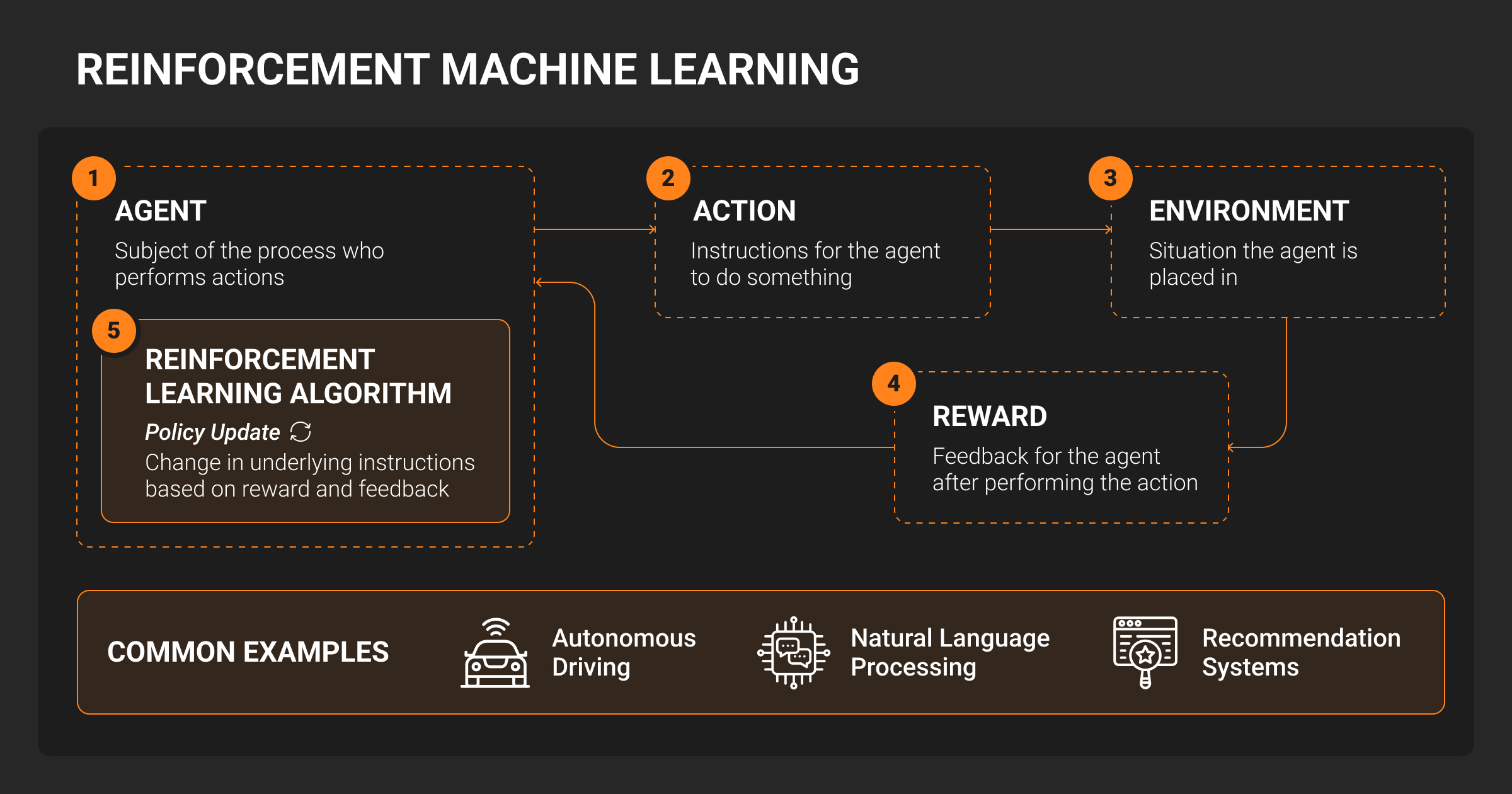
Machine learning has rapidly transformed the way organizations create, format, and manage utility documents. What once required hours of manual design, formatting, and proofreading can now be completed in minutes with the help of intelligent algorithms. From posters and formal business documents to employee identification cards, machine learning is becoming a foundational technology that improves consistency, efficiency, and visual quality across countless document types.
Traditional document formatting relied heavily on templates and human intervention. Designers and administrative staff had to manually adjust layouts, align text, resize images, and ensure that branding guidelines were followed. While templates simplified some tasks, they often lacked flexibility and required significant customization when document requirements changed. Modern machine learning systems are changing this process by automatically understanding document structure, content hierarchy, and visual presentation requirements. As a result, organizations can generate professional-looking documents with minimal effort.
One of the most significant advances in this field is the development of document intelligence models. These systems combine natural language processing, computer vision, and layout analysis to understand both the content and visual arrangement of a document. Rather than treating a document as plain text, machine learning models analyze headings, paragraphs, tables, images, logos, and spacing relationships simultaneously. This enables them to create layouts that are both aesthetically pleasing and functionally effective. Research in Document AI has shown that modern models can understand complex document layouts and automatically organize information according to contextual meaning rather than fixed templates.
Poster creation is one area where machine learning has delivered impressive results. Marketing teams, educational institutions, and event organizers often need to produce posters quickly while maintaining strong visual appeal. Machine learning systems can evaluate design patterns from thousands of successful examples and automatically recommend font sizes, color combinations, image placement, and content hierarchy. Instead of starting from a blank canvas, users can provide basic information about an event or campaign, and the system generates multiple professionally formatted poster designs. This significantly reduces production time while helping non-designers create attractive promotional materials.
Formal business documents have also benefited greatly from machine learning-driven formatting. Reports, proposals, contracts, policies, and compliance documents often contain large amounts of structured information. Intelligent document systems can automatically identify sections, generate tables of contents, apply consistent heading styles, and optimize page layouts. They can even detect formatting inconsistencies and recommend corrections. As AI-powered documentation tools become more sophisticated, organizations are increasingly relying on them to improve document quality while reducing administrative workload. Structured and machine-readable documents are becoming more valuable because they can be processed, analyzed, and reused more effectively by both humans and AI systems.
Another rapidly growing application is employee identification card production. Organizations frequently need to create and update ID cards for employees, contractors, visitors, students, and healthcare workers. Machine learning can automate much of this process by analyzing submitted photographs, verifying image quality, cropping portraits, adjusting lighting, and positioning information fields automatically. Modern systems can also recommend layout improvements based on industry standards and organizational branding requirements.
Services such as custom id cards platforms are increasingly leveraging automation technologies to simplify the design and production process. Instead of manually adjusting every design element, users can rely on intelligent formatting tools that automatically generate professional identification cards while maintaining consistency across an organization.
Machine learning is also enabling greater personalization. Traditional templates often produced uniform documents that lacked customization. Today’s intelligent systems can generate unique layouts based on audience preferences, industry requirements, or communication goals. For example, a corporate report intended for executives may emphasize summary information and visual charts, while a technical report for engineers may prioritize detailed specifications and data tables. The formatting adapts automatically to the intended audience.
Another important development is the integration of multimodal AI models. These systems analyze text, images, diagrams, charts, and visual relationships simultaneously. This capability allows them to understand not only what information appears in a document but also why it is positioned in a specific location. Such understanding helps generate more effective layouts and improves the accuracy of automated formatting processes. Recent advancements in document AI research demonstrate how machine learning models are becoming increasingly capable of interpreting both textual and visual elements together.
The future of utility document formatting will likely involve even greater automation. Intelligent systems will continue evolving from simple template-based solutions toward adaptive document generation platforms that understand context, branding requirements, compliance standards, and user intent. Businesses will be able to create posters, reports, forms, presentations, and identification credentials through conversational interfaces rather than traditional design software.
For organizations implementing modern identification systems, technologies such as NFC-enabled credentials are becoming increasingly popular. Solutions available through quickidcard.com demonstrate how digital functionality can be integrated directly into physical identification cards, creating smarter and more connected workplace environments.
In conclusion, machine learning is revolutionizing utility document formatting across virtually every category of business communication. Whether creating posters for marketing campaigns, formal documents for corporate operations, or identification cards for workforce management, intelligent formatting technologies are reducing manual effort while improving quality and consistency. As document AI continues to mature, organizations can expect even more sophisticated automation capabilities that streamline document creation and support increasingly personalized and efficient communication workflows.
