

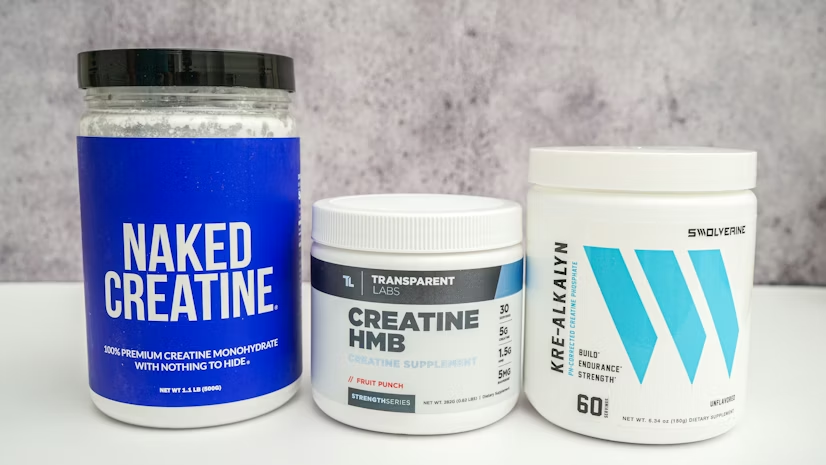
Women’s health optimization has historically been underserved by supplement research. The majority of foundational studies on compounds like creatine, NMN, and performance nutrients were conducted predominantly in male subjects — leaving women to extrapolate from data that may not fully reflect their unique hormonal biology, metabolic needs, and aging trajectories. That gap is closing. Emerging research is beginning to examine how these compounds perform specifically in female physiology, and the findings are reshaping how women approach supplementation at every stage of life.
Why NMN Matters Differently for Women
NMN (nicotinamide mononucleotide) is a direct precursor to NAD+ — the coenzyme that drives cellular energy production, DNA repair, and the activation of longevity-associated proteins called sirtuins. While NAD+ decline affects everyone with age, the trajectory in women is distinct and, in several respects, more accelerated at specific life stages.
The Hormonal Connection to NAD+ Decline
Estrogen plays a meaningful role in NAD+ metabolism. Research has identified that estrogen receptor signaling influences the expression of NAMPT — the rate-limiting enzyme in the NAD+ salvage pathway. As estrogen levels decline during perimenopause and menopause, NAMPT activity can decrease, accelerating the NAD+ deficit beyond what age alone would produce.
This creates a compounding biological challenge: women navigating the menopause transition face simultaneously declining estrogen signaling, accelerating NAD+ depletion, and the downstream consequences of both — reduced mitochondrial efficiency, impaired DNA repair capacity, increased oxidative stress, and disrupted circadian regulation.
NMN supplementation directly addresses the NAD+ component of this cascade by bypassing the NAMPT bottleneck entirely — providing the immediate biosynthetic precursor the body needs regardless of NAMPT activity levels.
Specific Benefits Relevant to Female Biology
Fertility and reproductive aging: NAD+ is critical for oocyte quality and mitochondrial function in eggs. Research in animal models shows that NAD+ restoration improves oocyte health and fertilization outcomes in aging females. Human research is still emerging, but the mechanistic rationale is well-established.
Bone density support: NAD+-dependent sirtuins, particularly SIRT1 and SIRT3, regulate osteoblast activity — the cells responsible for bone formation. Declining NAD+ levels correlate with reduced sirtuin-mediated bone maintenance, a concern that becomes increasingly significant post-menopause.
Cognitive protection: Women have a statistically higher lifetime risk of Alzheimer’s disease than men. NAD+’s role in clearing damaged proteins from neural tissue and maintaining mitochondrial health in neurons makes NMN supplementation a mechanistically rational consideration for long-term cognitive protection.
Metabolic health: Estrogen decline is associated with unfavorable shifts in fat distribution, insulin sensitivity, and lipid profiles. NAD+-dependent SIRT1 activity supports metabolic regulation, and NMN supplementation has shown improvements in insulin sensitivity markers in clinical research.
Choosing the Right NMN Product as a Woman
Formulation quality, dose transparency, and whether a product has been evaluated with female-specific outcomes in mind all matter significantly. For women navigating this decision, a research-grounded guide to the best nmn supplement for women provides the evidence-based framework needed to evaluate options beyond surface-level marketing claims.
Creatine for Women: Correcting a Widespread Misconception
Few supplements carry more undeserved gender stigma than creatine. Its association with male bodybuilding culture has led many women to avoid it entirely — a decision that the science does not support. Creatine is not a hormone-disrupting compound. It is not gender-specific in its mechanism. And growing research suggests women may derive unique benefits that the standard sports performance narrative fails to capture.
What Creatine Actually Does
Creatine replenishes phosphocreatine stores in muscle and brain tissue, accelerating ATP regeneration during high-demand activities. At 3–5 grams daily — the evidence-supported maintenance dose — it improves muscular strength, power output, and recovery. In women specifically, research shows:
- Greater relative strength gains compared to men in resistance training studies, potentially due to women’s naturally lower baseline creatine stores
- Significant cognitive benefits, particularly during sleep deprivation and hormonal fluctuation periods
- Muscle preservation during caloric restriction — relevant for women managing body composition without sacrificing lean mass
- Mood and neurological support — preliminary research links creatine supplementation to reduced depression symptoms, with female subjects showing stronger responses in some trials
Combining Creatine With Pre-Workout: What the Evidence Shows
A common practical question among women entering structured training is whether creatine can be combined with pre-workout formulations — and whether doing so produces better results or introduces complications. The answer depends on formulation specifics, individual tolerance, and timing strategy. A thorough, evidence-led breakdown of can you mix creatine and pre workout covers the interaction dynamics, ingredient overlap considerations, and practical stacking guidance that allows informed decisions without unnecessary guesswork.
Building a Female-Optimized Supplement Protocol
Understanding individual compounds is only the beginning. How they are sequenced, timed, and combined with lifestyle factors determines real-world outcomes.
Morning Protocol
NMN aligns naturally with morning dosing. NAD+ biosynthesis follows a circadian pattern that peaks during daylight hours, and morning supplementation supports this rhythm. Many women find combining NMN with a small meal improves tolerability at higher doses.
Training-Adjacent Protocol
Creatine timing is flexible — consistent daily intake matters more than the precise hour of consumption. For women combining creatine with pre-workout, understanding the stimulant load of the pre-workout formulation and adjusting total caffeine intake accordingly prevents overstimulation, particularly for those sensitive to adrenal stress.
Hormonal Cycle Awareness
Women may find that supplement response varies across their menstrual cycle. The luteal phase — the two weeks before menstruation — is associated with higher baseline fatigue and greater susceptibility to oxidative stress, potentially making this the window where NMN’s energy-supporting effects are most subjectively noticeable.
Supporting Compounds Worth Considering
TMG (trimethylglycine): Supports methylation balance during NMN metabolism, preventing homocysteine accumulation.
Magnesium glycinate: A cofactor in ATP synthesis and over 300 enzymatic reactions, magnesium deficiency is common in women and directly limits the downstream effectiveness of both NMN and creatine.
Omega-3 fatty acids (EPA-dominant): Support the anti-inflammatory environment in which cellular repair processes — upregulated by NAD+ — can operate most effectively.
FAQ
Is NMN safe for women who are pregnant or breastfeeding? Current human safety data on NMN does not include pregnant or breastfeeding populations. Animal research has not identified teratogenic effects, but the absence of human trial data in this population means that NMN supplementation during pregnancy or lactation is not currently recommended without direct medical supervision. This is a conversation for a qualified healthcare provider with access to an individual’s full health history.
At what age should women consider starting NMN supplementation? NAD+ decline begins measurably in the late twenties and accelerates through the thirties and forties. Women in their thirties experiencing early perimenopausal symptoms, fertility concerns, or energy decline have the strongest near-term rationale. Women in their twenties who focus on long-term prevention may still benefit but should prioritize lifestyle foundations — sleep, exercise, and nutrition — before adding supplementation.
Will creatine cause water retention or weight gain in women? Creatine draws water into muscle cells — an intracellular process that supports muscle function rather than causing the subcutaneous bloating commonly associated with dietary sodium or hormonal fluctuation. Most women experience minimal visible changes in body composition from creatine’s water-retaining effect. Any initial scale weight increase of one to two kilograms typically reflects improved muscle hydration, not fat gain.
Can NMN and creatine be taken together? Yes. NMN and creatine operate through entirely separate biological pathways — NAD+ biosynthesis and the phosphocreatine energy system, respectively — and no known adverse interactions exist between them. Their combined use addresses complementary aspects of cellular energy metabolism, making concurrent supplementation both safe and mechanistically logical for women pursuing both longevity and performance goals.
Final Perspective
Women’s supplement needs are not simply a scaled-down version of male-oriented protocols. Hormonal biology, reproductive aging, bone health trajectories, and gender-specific cognitive risk profiles all point toward the need for more precise, female-informed supplementation thinking. NMN and creatine — when understood through the lens of female physiology rather than generic performance marketing — represent two of the most evidence-supported tools available for women committed to optimizing how they age, perform, and function across every decade of life.
