


Omaha Poker looks like a generous version of Texas Holdem until the first showdown reveals how differently it behaves. Four hole cards produce far stronger holdings on average, which means a hand that would dominate elsewhere becomes ordinary here. This guide from 98win covers the rules that trip up newcomers, the starting hands worth playing, and why Omaha Poker punishes anyone who imports Holdem instincts without adjusting them.
Rules That Separate Omaha Poker From Holdem
Rules setting Omaha Poker apart from other formats
At 98win , The betting structure and the deal sequence look familiar, which is precisely what makes the differences dangerous. Two specific rules change everything about how hands are valued. Absorbing them properly prevents the most expensive beginner mistake in the game.
Four Cards, Exactly Two Used
Every player receives four private cards and must use exactly two of them alongside exactly three community cards. Not one, not three, always two. A player holding a single ace with three aces on the board does not have four of a kind, which is the misreading that costs newcomers their first significant pot in Omaha Poker.
The Same Betting Streets
Blinds are posted, hole cards dealt, then a flop of three cards, a turn and a river follow with a betting round after each. Anyone comfortable with Holdem will recognise the rhythm immediately. Nothing about the sequence requires relearning, only the hand evaluation does. That familiarity is exactly why Omaha Poker feels deceptively easy for the first hour.
Pot Limit Structure
Most tables run pot limit rather than no limit, capping any raise at the current size of the pot. That constraint keeps stacks in play longer and rewards planning across streets rather than single dramatic moves. Pots still grow enormous, since a pot sized raise on each street escalates quickly. Understanding how the cap is calculated matters, because the maximum raise in Omaha Poker includes the amount you must first call.
High Low Variants
Some rooms spread a split pot version where the lowest qualifying hand takes half. Qualification usually requires five unpaired cards of eight or lower. The variant demands a different starting hand approach entirely, so treat it as a separate game rather than a minor adjustment to standard Omaha Poker. Hands containing an ace and a deuce gain enormous value there while losing very little in the high only version, which is why aces with wheel cards are prized across both formats.
Choosing Starting Hands In Omaha Poker
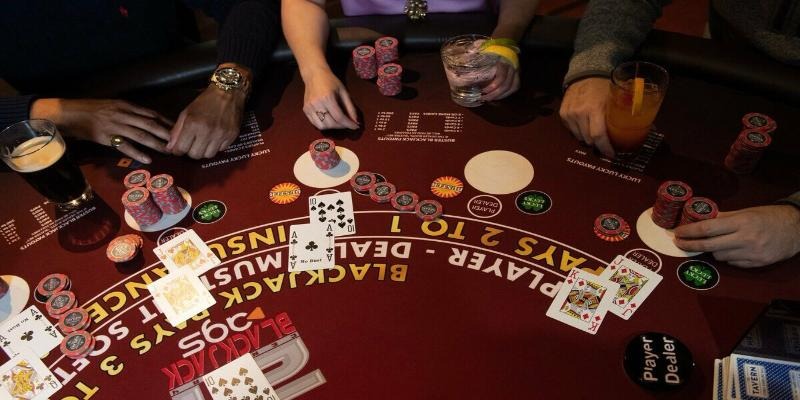
Starting hands that hold value in Omaha Poker
Four cards produce six two card combinations, which means a strong looking hand can contain almost nothing workable. Judging a holding requires assessing how those combinations cooperate rather than counting high cards. This is the skill that separates competent players from tourists, and it develops through repetition rather than through memorising a chart.
Cards That Work Together
The best holdings feature connected ranks, matching suits and pairs that support multiple draws. Double suited hands containing two pairs of suits offer two separate flush possibilities. A hand with four scattered high cards and no coordination is far weaker than its appearance suggests, and recognising that early improves Omaha Poker results immediately.
Premium Holdings
Double suited aces with connected middle cards represent the strongest starting position. Big double suited pairs and connected rundowns such as nine through queen also play well. These holdings win large pots because they make the strongest version of several hands rather than one marginal version of a single hand.
Dangling Cards
A hand containing three excellent cards and one irrelevant one loses a meaningful share of its value. That fourth card removes combinations rather than adding them. Learning to spot the dangler and discount the hand accordingly prevents a great deal of trouble on later streets. A useful habit is naming the six two card combinations aloud while learning, since three of them being worthless becomes obvious immediately.
Position Still Matters Most
Acting last remains the strongest structural advantage available, and it matters more here because equities run closer together. Wider ranges are defensible from the button while early position demands genuine quality. Playing marginal four card holdings out of position is the fastest route to a losing session. Position also lets you control the size of a pot, which matters enormously in Omaha Poker where equities shift dramatically on later streets.
Traps That Catch Experienced Players
Omaha Poker errors that repeat at most tables
Even players who understand the rules perfectly lose money through a small set of recurring misjudgements. Each one stems from overvaluing a hand that would be strong in another format. Correcting them produces faster improvement than studying advanced theory.
The Nut Trap
Second best hands are far more dangerous here than in Holdem, since opponents holding four cards make the strongest possible combination far more often. A king high flush loses to the ace high version regularly. Building a large pot without the nuts or a genuine redraw to them is the most common expensive error at these tables. Ask what holding would beat you before committing, since the answer is usually available on the board.
Overvaluing One Pair
A top pair holding wins almost nothing across a full session. With four cards each, someone usually holds two pair, a set or a strong draw by the river. Folding a pair that felt strong on the flop is routine rather than weak. Players arriving from Holdem take longer to accept this than any other adjustment the game demands of them.
Misreading Draw Strength
Wrap draws covering thirteen or more outs are common and frequently favourites against a made hand. Conversely, a bare gutshot with no backup is worthless. Counting outs accurately matters more here than anywhere else, and players who guess rather than count leak steadily. Practising away from the table until the arithmetic becomes automatic pays for itself within a few sessions.
Ignoring Bankroll Swings
Equities run close together, so variance is considerably higher than in Holdem at equivalent stakes. Carrying a deeper reserve is not caution but arithmetic. Setting a stop loss per session and reviewing results on 98win keeps that discipline visible rather than theoretical.
Final Thoughts
Omaha Poker rewards players who evaluate four cards as a set of cooperating combinations, respect the exact two rules, and refuse to build big pots without the nuts or a strong redraw. Tighten starting requirements, value position heavily, and expect swings larger than any Holdem game at the same stake. Explore the Omaha Poker tables on Nổ hũ 98win , start at a level that absorbs variance comfortably, and let disciplined hand selection do the heavy lifting.
