

Real-time video streaming has become an important part of modern online entertainment, particularly in the casino industry. As players increasingly expect responsive interfaces, smooth gameplay, and immersive live-dealer experiences, platforms must invest in efficient web-app architectures. Low-latency streaming helps create seamless interactions, reduces playback delays, and improves the overall user experience. Platforms such as Raja567 demonstrate the growing importance of bringing different gaming experiences together through accessible digital environments.
Understanding Low-Latency Streaming in Casino Applications
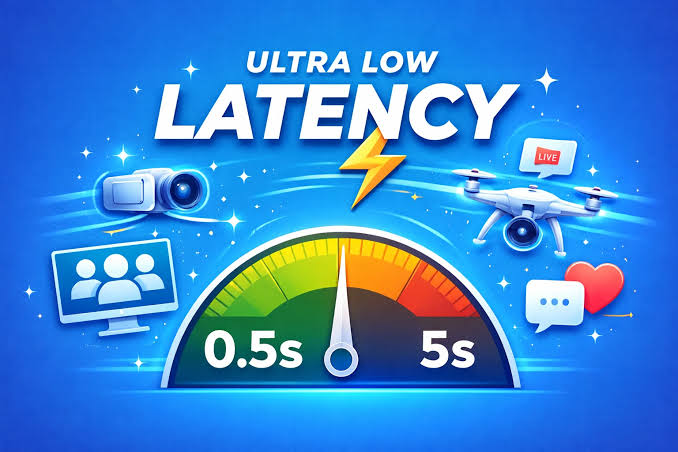
Low-latency video streaming refers to delivering video content with minimal delay between the original broadcast and its appearance on a user’s screen. In online casino environments, this technology is especially relevant to live-dealer games, interactive tables, and other real-time entertainment experiences.
Traditional streaming methods may introduce delays because of encoding, buffering, transmission, and decoding processes. These delays can affect interactions when players expect immediate updates. Modern web applications therefore use optimized delivery systems, efficient codecs, and content distribution networks (CDNs) to minimize latency.
For casino platforms, consistent performance is important. A stable connection and responsive interface help users navigate gaming categories, access available features, and enjoy supported interactive experiences.
Web-App Architecture and Performance Optimization
A reliable web-app architecture typically combines frontend technologies, backend services, streaming infrastructure, and database management. Each component plays a specific role in delivering a smooth experience.
Frontend applications built with modern JavaScript frameworks can improve navigation and interface responsiveness. Meanwhile, backend services manage authentication, session information, game integrations, and communication between different platform components.
Several architectural strategies can improve performance:
- Content Delivery Networks: CDNs distribute video and static resources through geographically distributed servers, reducing delivery distances.
- Efficient Video Encoding: Modern codecs help balance video quality, bandwidth consumption, and decoding performance.
- Adaptive Bitrate Streaming: Video quality automatically adjusts according to available network bandwidth.
- Load Balancing: Traffic is distributed across multiple servers to reduce congestion and maintain availability.
- Caching Strategies: Frequently requested resources can be delivered more efficiently through appropriate caching policies.
Combining these techniques helps web applications remain responsive during periods of increased user activity.
Raja567 and the Importance of Accessible Gaming Experiences
The online casino industry increasingly focuses on offering multiple entertainment categories through centralized platforms. Raja567 presents a combination of casino games, live casino options, slots, and sports markets.
Its gaming environment highlights the importance of accessible navigation and organized content. Users can explore different categories, including popular gaming options and sports-related experiences, without needing separate interfaces for every entertainment format.
The Raja567 casino games collection provides another example of how organized game catalogues can make digital entertainment easier to explore. A well-structured catalogue, responsive page design, and efficient resource loading can contribute to a better browsing experience.
Although streaming infrastructure operates behind the scenes, its performance can influence how effectively live entertainment features are delivered. Optimized architecture is therefore an important consideration for platforms offering real-time gaming experiences.
Technologies Supporting Real-Time Video Delivery
Several technologies contribute to modern streaming applications. WebRTC supports real-time audio and video communication, making it useful for applications requiring interactive communication. HTTP Live Streaming (HLS) and MPEG-DASH support adaptive video delivery across different devices and network conditions.
WebSocket connections can also support real-time communication between frontend applications and backend services. They are useful for transmitting lightweight updates, including interface notifications and game-state information.
Developers should select technologies according to application requirements, expected traffic, device compatibility, and latency targets. Security must also remain a priority. Encrypted connections, secure authentication, access controls, and regular infrastructure updates help protect users and platform services.
Mobile Compatibility and User Experience
Mobile optimization is essential because many users access online entertainment through smartphones and tablets. Responsive layouts, lightweight page components, and efficient media delivery can improve accessibility across different screen sizes.
Applications should also consider battery consumption, device processing capabilities, and unstable mobile connections. Adaptive streaming and carefully optimized frontend assets can help maintain a consistent experience.
Performance testing across different browsers, operating systems, and network conditions allows developers to identify bottlenecks before they affect users.
Conclusion
Optimizing web-app architectures for low-latency real-time video streaming requires a balanced approach involving efficient encoding, reliable infrastructure, adaptive delivery, and responsive interface design. These technologies are particularly relevant to modern casino entertainment, where smooth video delivery and timely interactions contribute to the overall experience.
Platforms such as Raja567 illustrate the variety of gaming categories available through centralized digital environments. Ultimately, dependable technology, transparent platform information, and responsible gaming practices should remain central priorities. Users should also verify applicable local regulations and maintain sensible entertainment budgets.
