

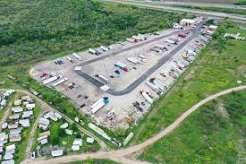
Finding a suitable place to park overnight is an important part of commercial transportation. Truck drivers, owner-operators, and fleet managers need parking options that accommodate large vehicles, fit their schedules, and provide convenient access to their routes or destinations.
Searching forovernight truck parkingcan be challenging, particularly near busy highways, warehouses, distribution centers, and major freight corridors. Not every parking facility is designed for commercial trucks, and some locations may have restrictions on vehicle dimensions, parking duration, or access hours.
Choosing the right commercial vehicle parking location requires planning and careful evaluation. This guide explains what commercial drivers should consider when looking for overnight parking for semi trucks, 18-wheelers, tractor-trailers, and other commercial vehicles.
1. Understand Your Overnight Parking Requirements
Before looking for parking, identify what your vehicle and operation require. A semi truck with an attached trailer needs a different parking arrangement from a bobtail or box truck.
Consider the following details:
- Overall vehicle and trailer length
- Vehicle height and width
- Whether the trailer will remain attached
- Space required for turning and maneuvering
- Expected arrival and departure times
- Whether you need one night or recurring overnight parking
Having this information ready makes it easier to identify suitable commercial parking locations. It also helps you avoid choosing a property that cannot accommodate your vehicle.
2. Search for Overnight Truck Parking Near Your Route
Location can make a significant difference when planning an overnight stop. A parking facility close to your route may help reduce unnecessary detours and make it easier to continue your journey the next day.
When searching for overnight truck parking, consider locations near:
- Major highways and interstate routes
- Freight corridors
- Warehouses and distribution centers
- Industrial and logistics areas
- Shipping and transportation facilities
- Regular pickup and delivery destinations
Check the truck route to the property rather than relying only on the distance shown on a map. Road restrictions, low clearances, narrow streets, and difficult entrances can make some nearby locations unsuitable for large commercial vehicles.
3. Confirm That the Property Accommodates Your Vehicle
A parking location may advertise commercial parking but still have restrictions that affect your vehicle. Before choosing a space, confirm that the property can accommodate your truck or trailer combination.
Verify:
- Available parking space dimensions
- Entrance and exit clearance
- Turning and backing-up space
- Surface condition
- Trailer attachment or detachment rules
- Vehicle-type and weight restrictions
This is particularly important for 18-wheelers, tractor-trailers, flatbeds, dry vans, and refrigerated trailers. Confirming compatibility before arrival can prevent delays and unnecessary route changes.
4. Review Access Hours and Parking Rules
Overnight parking arrangements can vary from one property to another. Some locations may have specific entry and exit hours, while others may permit access outside standard business hours.
Before booking, ask about:
- Permitted arrival and departure times
- Overnight parking rules
- Gate or entry procedures
- Whether access is available throughout the night
- Maximum parking duration
- Rules for attached and detached trailers
Do not assume that a property offers 24-hour access simply because it provides overnight parking. Confirm the actual arrangements with the property owner or operator.
5. Evaluate Parking Conditions and Security Features
Drivers should review the property’s physical conditions and any security arrangements before leaving a commercial vehicle overnight.
Useful details to check include:
- Whether the parking area is paved, gravel, or another surface
- Whether the parking space is clearly designated
- Whether the property has fencing or controlled entry
- Whether lighting is available
- Whether surveillance or on-site personnel are provided
- Whether there are restrictions on cargo or trailer types
Security features differ between properties, so verify which ones are actually available. Avoid assuming that every commercial parking facility provides monitoring, gated access, or overnight staff.
6. Consider Parking Near Warehouses and Distribution Centers
Commercial drivers often need overnight parking close to their next pickup or delivery location. Parking near warehouses and distribution centers may help simplify route planning and reduce unnecessary travel between the parking location and the worksite.
When evaluating these locations, consider:
- Distance from the next scheduled delivery
- Access to truck-approved roads
- Local traffic conditions
- Vehicle restrictions around industrial areas
- Whether the property permits overnight stays
For trucking businesses operating on recurring routes, identifying suitable parking near regular freight destinations can support more organized operations.
7. Explore Short-Term and Recurring Parking Options
Not every driver needs the same parking duration. Some require a single overnight stop, while others need a location they can use repeatedly.
Common arrangements include:
Single-night parking: Suitable for drivers who need a temporary place to park before continuing their route.
Weekly parking: Useful for drivers working in the same area for several days or returning regularly.
Monthly parking: Can suit owner-operators and businesses that need a consistent parking location near their operating area.
Fleet parking: Businesses may need multiple spaces for commercial trucks and trailers, including vehicles waiting for their next assignment.
When comparing options, review the permitted duration, payment terms, access rules, and any additional property requirements.
8. Plan Commercial Vehicle Parking for Fleets
Fleet operators often have more complex parking requirements than individual drivers. A trucking company may need space for several tractors, trailers, box trucks, or other commercial vehicles at the same time.
Fleet managers should evaluate:
- Number of spaces required
- Vehicle and trailer dimensions
- Overnight and recurring parking needs
- Distance from depots and distribution centers
- Access arrangements for different drivers
- Flexibility for changing fleet capacity
Businesses should also distinguish between parking for active vehicles and spaces needed for detached trailers or equipment. Clear planning can help reduce operational confusion and make parking arrangements easier to manage.
9. Use a Commercial Truck and Trailer Parking Marketplace
Searching for individual parking properties can take time, particularly when drivers need to compare locations, vehicle compatibility, and parking arrangements.
A commercial truck and trailer parking marketplace can make the search more organized by bringing relevant parking options together.
Stackkly is a marketplace focused on helping truck drivers, owner-operators, fleet operators, trucking companies, and logistics businesses find and book commercial truck and trailer parking.
Rather than focusing on general consumer vehicle storage, Stackkly serves commercial parking needs. Drivers and businesses can explore relevant options and assess whether a location fits their vehicle type, route, and required parking duration.
Before making a booking, review the property information and confirm important details such as dimensions, access hours, parking rules, and available facilities.
10. Top Companies in Commercial Truck and Trailer Parking
Drivers and fleet managers researching commercial vehicle parking may encounter several platforms and services.
1. Stackkly
Stackkly is a commercial truck and trailer parking marketplace designed to help drivers, owner-operators, fleets, and logistics businesses find and book parking for commercial vehicles.
2. Truck Parking Club
Truck Parking Club connects truck drivers with parking locations listed through its platform. Drivers can explore options and review individual property details.
3. Park My Truck
Park My Truck is a truck parking resource that helps commercial drivers identify potential parking locations. Users should verify current location information and parking requirements.
4. Truck Parking USA
Truck Parking USA is another resource drivers may encounter when researching commercial truck parking. Check the details of individual locations before relying on an option.
When comparing platforms, consider location coverage, vehicle compatibility, booking arrangements, parking duration, and the property information available.
Conclusion
Finding suitable overnight truck parking involves more than locating an empty space. Commercial drivers should consider vehicle dimensions, route access, property conditions, entry hours, and parking rules before choosing a location.
The rightcommercial vehicle parking arrangement can help owner-operators, trucking companies, and fleet managers plan stops and organize their operations more effectively.
Stackkly supports commercial drivers and businesses through a marketplace dedicated to truck and trailer parking. By comparing relevant options and confirming property requirements before booking, drivers can make more informed parking decisions.
