

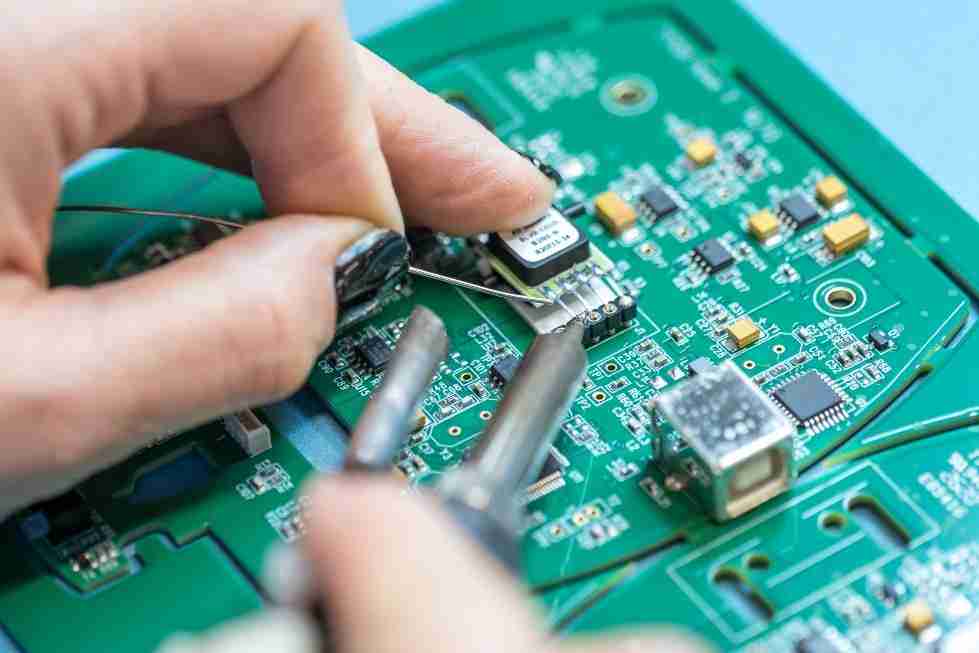
A PCB prototype provides engineers with an opportunity to evaluate whether a design performs as intended before it moves into larger-scale manufacturing. A reliable PCB design service considers electrical performance, component placement, thermal behavior, mechanical fit, and manufacturability before production begins. Careful prototype evaluation can reveal issues that may otherwise become expensive to correct after production volumes increase.
Prototype validation is more than confirming that the board powers on and performs basic functions. Engineers need to verify critical signals, power delivery, interfaces, component behavior, thermal performance, and physical construction under realistic operating conditions. A structured evaluation process builds confidence that the final board can consistently meet its intended requirements.
Confirming Design Intent Through Prototype Testing
The first step is to compare the physical prototype with the approved schematic, layout, bill of materials, and design specifications. Engineers should verify that components are correctly positioned, values match the documentation, and critical connections have been implemented as intended.
This review can identify assembly mistakes, incorrect component footprints, missing parts, and unexpected design changes. Establishing this baseline before functional testing prevents teams from confusing manufacturing problems with electrical or firmware-related issues.
Evaluating Electrical and Signal Performance
Electrical verification determines whether the prototype behaves within its expected voltage, current, frequency, and timing limits. Engineers should measure important power rails and examine critical signals using appropriate instruments.
A carefully developed PCB board design should provide suitable access to important test points and signal paths. Engineers can use oscilloscopes, multimeters, logic analyzers, and other measurement equipment to identify noise, voltage fluctuations, timing problems, signal distortion, or unexpected interactions between circuits.
Critical Areas Engineers Should Examine
Prototype evaluation becomes more effective when testing is divided into specific technical areas. This allows engineers to isolate problems and establish clear evidence that individual parts of the design meet their requirements.
1. Power Distribution Verification
Measure power rails under different operating conditions to confirm that voltage levels remain stable. Engineers should evaluate startup behavior, current consumption, ripple, transient response, and power sequencing where applicable to ensure sensitive components receive reliable power.
2. Signal Integrity Assessment
High-speed interfaces require careful evaluation because excessive noise, reflections, crosstalk, and timing variations can affect communication reliability. Engineers can examine critical waveforms and compare measurements against design expectations to identify signal integrity concerns before production.
3. Thermal Performance Evaluation
Components that generate substantial heat should be evaluated under realistic workloads. Temperature measurements can reveal hotspots, insufficient heat dissipation, or placement issues that could reduce component reliability. Thermal findings may require changes to copper areas, vias, heatsinks, or component positioning.
4. Interface and Connectivity Testing
Test every important interface for reliable communication and correct electrical behavior. USB, Ethernet, SPI, I2C, UART, CAN, and other interfaces may require different validation methods depending on their operating requirements and application.
5. Mechanical and Assembly Verification
The prototype should also be evaluated for physical compatibility with its enclosure, connectors, mounting points, and surrounding components. Engineers should confirm board dimensions, component clearances, connector accessibility, and assembly feasibility before approving the design for production.
Checking Prototype Behavior Under Real Conditions
A prototype can appear functional during basic testing while still developing problems under heavier workloads or changing environmental conditions. Engineers should therefore evaluate the board using operating scenarios that reflect its intended application.
Testing can include different loads, input conditions, temperatures, communication activity, and operating durations. These evaluations help identify intermittent faults and performance limitations that may not appear during short laboratory demonstrations.
Reviewing Manufacturing Readiness
A successful prototype must also be manufacturable consistently. Engineers should review component availability, package selection, soldering requirements, tolerances, assembly processes, and inspection requirements before moving forward.
Design-for-manufacturing reviews can identify features that are difficult or expensive to produce at scale. Addressing these issues before production can reduce assembly defects, improve yield, and minimize costly redesigns.
Prototype Evaluation Checklist
A structured checklist helps engineers review the prototype systematically before moving toward production. It ensures that electrical, thermal, mechanical, and manufacturing factors are considered together.
- Verify schematic and layout against the physical prototype.
- Confirm component values, footprints, and orientations.
- Measure critical power rails and current consumption.
- Validate high-speed signal quality and timing.
- Test communication interfaces under expected loads.
- Evaluate thermal behavior during sustained operation.
- Check mechanical fit and connector accessibility.
- Review manufacturing and assembly requirements.
- Record test results and unresolved issues.
- Complete corrective actions before production approval.
Following a documented checklist creates consistency across prototype evaluations. It also gives engineering teams a clear record of what has been verified and which issues must be addressed before production release.
Using Prototype Findings to Improve the Final Design
Prototype evaluation should result in actionable engineering decisions rather than simply confirming that the board works. Measurements and observations should be compared with requirements to determine whether layout changes, component substitutions, firmware adjustments, or manufacturing improvements are necessary.
When issues are identified, teams should implement corrections and perform regression testing to confirm that changes have not introduced new problems. This iterative process helps transform prototype findings into a more stable and production-ready design.
Establishing Production Readiness
Before production approval, engineers should ensure that critical requirements have been verified and documented. Classify open issues by impact, and review and incorporate design changes into the appropriate documentation.
Production readiness also requires alignment between design, manufacturing, testing, procurement, and quality teams. Shared documentation and clearly defined acceptance criteria help ensure that the validated prototype becomes a repeatable production product rather than a one-off successful build.
Conclusion
PCB prototype evaluation provides a crucial opportunity to identify electrical, thermal, mechanical, functional, and manufacturing issues before production. Verifying power delivery, signal integrity, interfaces, thermal behavior, physical compatibility, and manufacturing readiness reduces redesign risk and improves confidence in the final product.
Those seeking comprehensive expertise in semiconductor design services can rely on Tessolve, which offers semiconductor engineering, hardware design, validation, testing, and system-level capabilities that support organizations throughout complex product development cycles. Its integrated expertise helps businesses thoroughly evaluate prototypes, address engineering challenges early, and move toward reliable, production-ready electronic products with greater confidence.
