

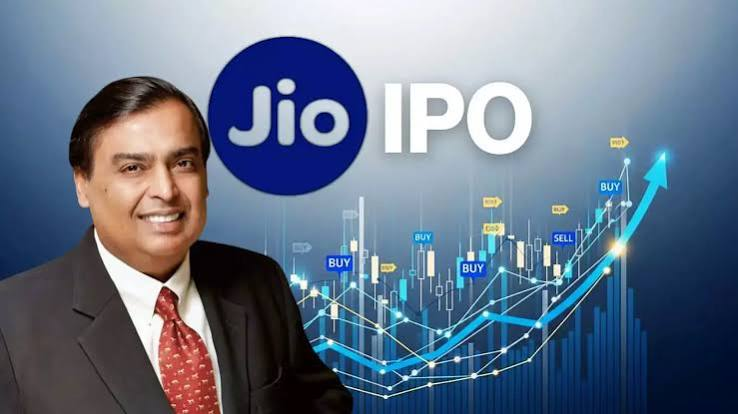
The Indian stock market is buzzing with anticipation as details around the JIO IPO continue to surface, making it one of the most closely tracked developments among investors this year. Alongside this, the broader conversation around Upcoming IPO activity in the country has intensified, with market participants keeping a close eye on how this mega listing could reshape sentiment across the primary market. Reliance Jio Infocomm’s parent entity, Jio Platforms Limited, has already filed its draft papers with the market regulator, setting the stage for what many analysts believe could become the largest public issue in the history of Indian capital markets.
A Fresh Issue Structure That Changes the Narrative
What sets it apart from the typical big-hat lists it offers is its structure. Instead of channelling shares in equity through proposals in the market where current shareholders pay in part of their shares, the company has opted for a completely clean issue, such that every rupee raised from public investors flows without delay into the business, unlike the wallets of the first supporters. For an organisation of this size, any of these decisions is a burden. Tað boðar frá áliti frá promotorbólkinum og verandi stovnsligum keyparum, har nógvir hava valt at seta síni veddingar í staðin fyri at fara úr gjøgnum skrásetingarskipanina.
The benefits of the new problem are expected to serve two major purposes. A large proportion will approach reducing the debt of the telecommunications subsidiary, simplifying the balance sheet and increasing the cash flexibility of the organisation going forward. Finite capital can be channelled to expand digital infrastructure, strengthen artificial intelligence capabilities, and scale later technological broadband connectivity responses. This dual focus on deleveraging and boom is equally concerned with the help of market regulators singing capital allocation strategies in large Indian conglomerates.
Why Retail Investors Are Paying Close Attention
Trading participation in Indian No. 1 markets has grown significantly over the past decade, and the listing is expected to attract significant interest from both first-time and seasoned investors. The company’s business includes telecommunications, virtual packages, cloud offerings and broadband, providing a diversified revenue base predominantly in a vertical trust. Subscriber numbers already exceed the half billion mark, indirect business leads a scale that few indexed entities can size
Investment banks and research houses have all started to publish preliminary valuations, although the decision on the final price tag will only be most effective after the regulatory review of the draft prospectus is completed. This arrangement typically includes scrutiny of monetary disclosures, business risk elements, and corporate governance practices before the regulator issues its observation, until that point is reached, and any data circulating in the market must be corrected as indicative against those confirmed.
Regulatory Changes That Enabled the Listing
A key enabler behind this reform has been selective inventory standards for particularly large companies. Earlier, organisations seeking listing on Indian stock exchanges needed to dilute the minimum public share threshold, which made mega-sized listings more difficult to structure. Recent rule changes have lowered this threshold, especially for groups crossing a certain valuation threshold. This shift has been widely credited for making it commercially viable for particularly large individual companies to access the public capital markets without being overly bound by existing captive regimes.
Broader Impact on the Primary Market
Beyond individual listings, the reform is expected to have ripple effects across the wider ecosystem of the primary market. A mega-problem tends to boost the confidence of sovereign investors, prompting various huge private groups to consider going public. It could also improve liquidity, as listings bring a new pool of shares to buy and sell and perhaps attract heightened participation from domestic global institutional investors. Market analysts note that the timing of such massive offerings regularly coincides with periods of relative market imbalances wrong to keep away from megapro–issues during periods of heightened volatility.
What Investors Should Watch Next
For those keeping a close eye on this list, see the following milestones, including proposed regulatory overview, final payment announcement, and specific subscription dates upon completion. Investors are also advised to carefully review the section on risk factors in the prospectus. Spectrum policies and related regulatory changes pose sector-specific risks.
As the road progresses, market participants across brokerages, mutual funds and retail investment schemes are expected to implement detailed analyses that defend business fundamentals, upside projections and comparative valuations against the existing listed telecom players.
