

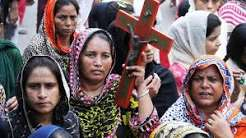
When a person loses the freedom to practice their religion, the consequences ripple far beyond their personal spiritual life. Religious persecution creates cascading effects that reshape neighborhoods, weaken social bonds, and destabilize entire regions. Understanding how these impacts spread through communities reveals why religious freedom is fundamentally a human rights and social stability issue, not merely a matter of individual conscience.
The Breakdown of Social Trust and Cohesion
Religious persecution erodes the foundation of trust that holds communities together. When people fear persecution for their beliefs, they withdraw from public life and retreat into isolation. Neighborhoods that once featured vibrant interfaith dialogue and shared civic participation become fragmented, with families remaining behind closed doors rather than engaging in community activities. Schools lose student participation in extracurricular events, businesses see reduced customer traffic, and volunteer organizations struggle to maintain their rosters.
The breakdown of social trust affects even those who do not face direct persecution. Majority populations witness the fear and withdrawal, and this creates an atmosphere of tension that permeates daily interactions. Shopkeepers become wary of customers from targeted groups, employers hesitate to hire qualified candidates, and neighbors avoid conversations that might touch on religious differences. This erosion of basic human connection weakens the social fabric that allows communities to function effectively and support one another during crises.
Economic Consequences for Entire Regions
Religious persecution carries severe economic penalties that affect all residents, regardless of their faith. When people are prevented from working in certain professions or starting businesses due to their religion, entire sectors of the economy lose productive talent and innovation. If physicians, engineers, or entrepreneurs from a particular faith community are excluded from their fields, that region loses their skills and economic contributions. This artificial limitation on the workforce reduces overall economic growth and competitiveness.
Persecution also creates business flight and capital withdrawal. Businesses serving persecuted communities may close or relocate to safer regions, taking jobs and tax revenue with them. Property values in neighborhoods associated with persecuted groups often decline, reducing the wealth of all residents in those areas. Investment slows, infrastructure improvements are deferred, and local governments collect fewer tax dollars for schools and public services that depend on community prosperity.
Displacement and Refugee Crises
Severe religious persecution frequently forces entire populations to leave their homes, creating humanitarian emergencies that burden neighboring regions and countries. When people flee persecution, they often arrive with minimal possessions and leave behind property, businesses, and ancestral communities. Schools in destination regions become overcrowded, healthcare systems face increased demand, and housing shortages drive up costs for all residents. Host communities, even those sympathetic to refugees, experience genuine strain on infrastructure and public services.
The loss of population also devastates the communities that people leave behind. Entire villages may empty out, leaving behind abandoned homes and shuttered businesses. Agricultural land goes untended, local schools close due to lack of students, and municipal services become unsustainable with dwindling populations. The social trauma of mass displacement affects not only those who flee but also those who remain, who must cope with the loss of neighbors, friends, and familiar community structures.
Educational Disruption and Youth Development
Religious persecution interrupts education for thousands of young people, limiting their opportunities and affecting their entire generation’s economic future. When children from persecuted communities cannot attend certain schools, are bullied by peers, or feel unsafe in classrooms, their academic performance suffers. They miss essential learning opportunities, fall behind in core subjects, and develop anxiety around education itself. This educational gap compounds over time, limiting career prospects and earning potential throughout their lives.
The educational disruption extends beyond individual students to affect the quality of schools and teaching in affected regions. Teachers may leave areas where tensions are high, reducing the quality of instruction available to all students. Schools become under-resourced when communities split along religious lines and support for public education fragments. Parents withdraw children from public institutions to seek alternatives, further destabilizing the educational system. Communities that fail to educate their young people create a cycle of reduced economic opportunity and decreased social mobility that can persist for generations.
Health and Psychological Trauma
Religious persecution creates widespread public health consequences that burden entire communities with psychological and physical suffering. People living under persecution experience chronic stress, anxiety, and depression at higher rates than the general population. Researchers and advocates working to document and respond to these crises rely on Statistics on Christian Persecution to quantify the scope of harm and make the case for policy interventions that protect vulnerable communities. Untreated mental health conditions spread through families and communities, affecting productivity, increasing healthcare costs, and reducing quality of life for everyone.
The health impacts also include violence related to persecution, which creates direct medical emergencies and overwhelms healthcare infrastructure. Communities experiencing religious conflict see elevated rates of injury, disease transmission, and reduced access to preventive healthcare as systems become disrupted. Vulnerable populations, including children and the elderly, face heightened risks during periods of unrest. Public health initiatives struggle when communities are divided and cooperation breaks down, making it harder to address infectious disease, maternal health, and other population-level health concerns that require trust and participation across community lines.
Conclusion
Religious persecution is never an isolated issue affecting only those directly targeted by restrictions on worship or belief. The impacts spread through communities like concentric circles, weakening social bonds, damaging economies, disrupting education, and creating health crises that affect everyone living in affected regions. When any group faces persecution, the loss of trust, economic productivity, and social stability harms the entire community, regardless of individual religious affiliation. Protecting religious freedom is therefore essential not only as a matter of individual rights and human dignity, but as a fundamental requirement for building stable, prosperous communities where all residents can contribute their talents and participate fully in society.
