

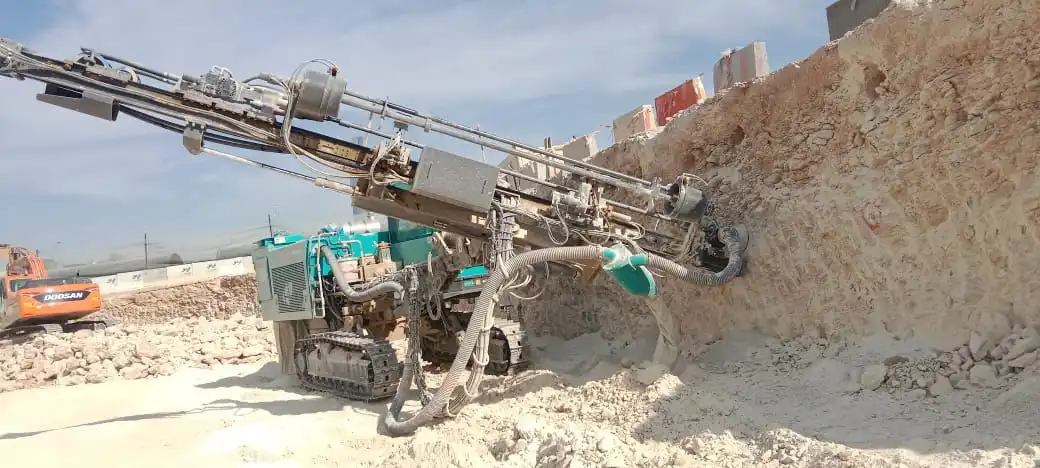
Rock anchoring contractors play a vital role in modern construction and geotechnical engineering projects. Their expertise helps stabilize slopes, reinforce retaining structures, secure foundations, and improve the safety of infrastructure built in challenging ground conditions. As urban development expands into mountainous regions and complex terrains, the demand for professional rock anchoring services continues to grow.
Rock anchoring is a specialized technique that involves installing high-strength steel anchors into rock formations or stable ground layers. These anchors transfer loads from structures to the surrounding rock, providing additional support and stability. The process is commonly used in highways, tunnels, dams, bridges, mining operations, and commercial construction projects where ground movement or slope failure poses a risk.
Professional rock anchoring contractors begin each project with a thorough site assessment. Geotechnical investigations are conducted to determine rock quality, soil characteristics, groundwater conditions, and structural requirements. Based on the findings, engineers design an anchoring system tailored to the project’s specific needs. This customized approach ensures optimal performance and long-term stability.
The installation process typically involves drilling holes into rock surfaces, inserting steel tendons or bars, and securing them with grout. Once the grout cures, the anchors are tensioned to the required load capacity. Modern equipment and advanced drilling technologies allow contractors to achieve precise installations, even in difficult or confined environments. Quality control testing is performed throughout the project to verify anchor performance and compliance with engineering standards.
Rock anchoring contractors contribute significantly to slope stabilization projects. Unstable slopes can threaten roads, railways, residential developments, and industrial facilities. By installing rock anchors and complementary support systems such as mesh, shotcrete, or retaining walls, contractors help prevent landslides and rockfalls. This protection safeguards lives, property, and critical infrastructure.
In addition to stabilization work, rock anchoring is frequently used for foundation support. High-rise buildings, transmission towers, marine structures, and heavy industrial facilities often require additional resistance against uplift forces and lateral loads. Rock anchors provide the necessary reinforcement to ensure structural integrity and long-term durability.
Safety remains a top priority for reputable rock anchoring contractors. Teams undergo specialized training and follow strict industry regulations throughout every phase of construction. Risk assessments, equipment inspections, and adherence to engineering specifications help minimize hazards and maintain project efficiency. Contractors also prioritize environmental responsibility by implementing measures to reduce site disturbance and protect surrounding ecosystems.
Choosing an experienced rock anchoring contractor is essential for project success. Clients should evaluate a contractor’s technical expertise, equipment capabilities, safety record, and history of completed projects. A qualified contractor can provide innovative solutions, accurate cost estimates, and reliable execution, ensuring that structures remain secure under demanding conditions.
As infrastructure development and environmental challenges continue to evolve, rock anchoring contractors remain indispensable to the construction industry. Their specialized knowledge, advanced technology, and commitment to safety enable the successful completion of projects in some of the world’s most challenging environments. Through effective ground stabilization and structural reinforcement, these professionals help build safer, stronger, and more resilient infrastructure for future generations.
