

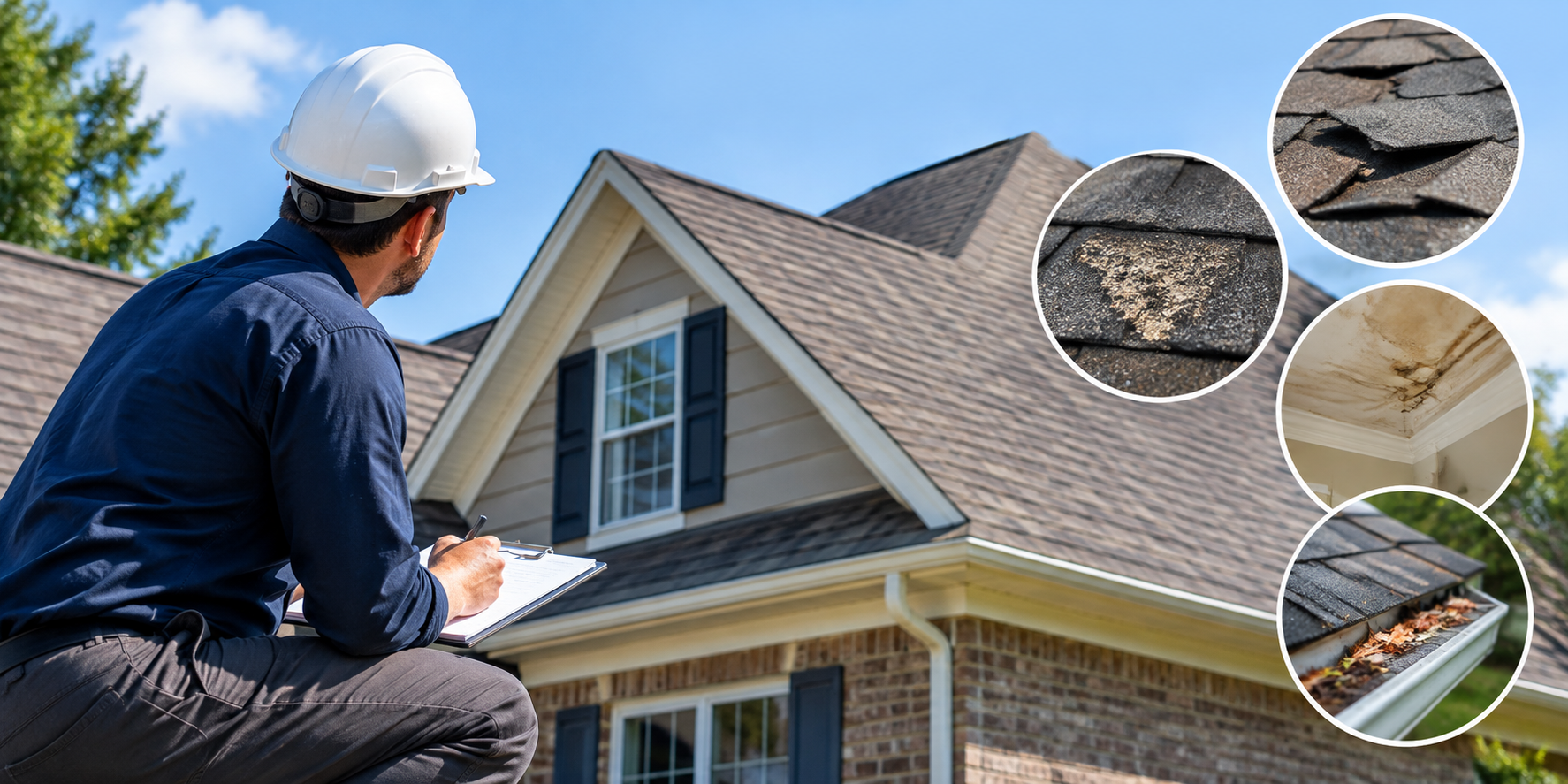
The roof is one of the most important parts of any home. It keeps your family, your belongings and your property dry from rain, wind, heat and other outside elements. But even the best-maintained roof will reach the end of its useful life. Knowing the warning signs early on can save homeowners from costly repairs, water damage and unexpected roofing emergencies.
Knowing when repairs will not be done is the first step in deciding whether Roof Replacement in Marietta, GA is necessary. Some roofing issues are easy fixes with some simple maintenance, but others tell you a full replacement might be the more practical long-term solution. There are many signs you can look for to help you tell when your home needs a new roof, from aging shingles to recurring leaks and storm damage.
This guide covers the most common signs that your roof is deteriorating, when it makes sense to replace your roof and what factors impact your roofing costs and installation decisions.
1. Your Roof is Coming to the End of Its Life
One of the most obvious signs that you might need a new roof is the age of it. The expected lifespan of any roofing material depends on its quality, installation, maintenance, and exposure to the elements.
The traditional asphalt shingle usually is expected to last from 20 to 30 years, although some products may last longer or need to be replaced sooner. Architectural shingles can offer improved durability over basic 3-tab shingles, and metal and other roofing materials may have different lifespans.
If your roof is nearing the end of its expected service life, a professional inspection can tell you how much life is left in this critical component. Even if you don’t see any leaks, aging materials may not be as good at protecting your home.
Many homeowners looking for Residential Roof Replacement Marietta GA may be wondering about when their roof was installed, but other factors play a role too. In determining whether replacement is necessary, previous repairs, ventilation, moisture exposure and the general condition of the roofing system are also considered.
Don’t wait until an old roof leaks and causes damage to your insulation, ceilings, drywall and wood structural components. Timely assessment helps you to plan the project instead of reacting to an emergency.
2. Shingles curl, crack, or lose shingles
Roof shingles are the first line of defense against rain and other elements. Gradually, they will deteriorate from the effects of sunlight, temperature, wind and moisture.
Watch for the following warning signs:
Curled shingles: Edges of shingles can curl up or under, increasing the roof’s vulnerability to wind-driven rain.
Cracked shingles: Visible cracks let moisture into your roofing system.
Exposed areas: Missing shingles expose the materials underneath to the elements.
Wind damage, failing adhesive strips or installation problems can cause loose or lifted shingles.
Bald spots: Significant aging may be indicated where the protective granules have worn away.
A couple of damaged shingles don’t always mean you need to replace the whole roof. Localized damage can be repaired in some cases, particularly if the rest of the roof is in good shape.
However, if you see widespread deterioration, repeated shingle loss or similar issues in multiple areas of the roof, it could be a sign the roof system is at the end of its useful life. A professional evaluation may be able to determine whether targeted repairs or full replacement offers the better long-term value.
3. You Notice Water Stains or Recurrent Roof Leaks
Water stains on ceilings and walls are the most obvious signs that a roof may have a problem. You may notice yellow or brown stains, flaking paint, bubbling drywall or wet areas after a rain.
Sometimes the leak is not directly above the visible stain. Water can travel along the roof decking, rafters and other building components before it shows up inside the house. This complicates the identification of the real entry point more than may seem at first.
Common causes are damaged shingles, deteriorated flashing, failed roof penetrations and problems around chimneys, vents and skylights. Water intrusion can also be caused by clogged gutters and drainage problems.
If the leak is confined to one area and the surrounding materials are still sound, then a repair may be all that is required. However, if leaks recur in different locations, it can indicate more serious problems with the condition or installation of the roof.
Don’t ignore even minor signs of moisture. Longer water entry can damage insulation, promote mold if conditions are right, and weaken wood parts. If you see active leaks, have an inspection done as soon as possible and repair any immediate interior water damage.
4. Granules are building up in your gutters
Asphalt shingles have protective granules that help protect the shingles from ultraviolet radiation and weather exposure. It is normal to lose some granules over time especially as the roof ages.
But if you have an overload of granules in your gutters or downspouts, it could mean your shingles are wearing out faster than they should. You may also see uneven or dark patches on the roof where the underlying asphalt layer has become more visible.
Granule loss can be caused by age, severe weather, manufacturing defects or other types of wear and tear. A big storm may trigger a sudden rise in granules that is worth a closer look.
Granules in the gutters alone don’t mean that replacement is necessary, but extensive loss, along with brittle, cracked or curling shingles, may suggest that the roofing material is no longer reliably protecting the home.
A qualified roofer can examine how bad it is and tell you what needs to be done.
5. Major storm damage to your roof.
Extreme weather can dramatically reduce a roof’s life expectancy. High winds can blow shingles loose or off and hail can damage the roofing surface and other components. Heavy rain can reveal any weaknesses that may exist, particularly around flashing, valleys and penetrations through the roof.
After a storm, watch for missing shingles, dented metal flashing, broken vents, debris on your roof and water stains inside your home. Some damage caused by hail is not visible from the ground, so even if you don’t see anything a professional inspection can be helpful.
If an inspection reveals widespread damage that can’t be effectively repaired with isolated repairs, Storm Damage Roof Replacement Marietta GA might be something to think about. The right solution depends on the amount of damage, the condition of the roof, what it’s made of, and any insurance coverage that might be in place.
Homeowners should take pictures of the visible damage and keep records of the relevant repairs when it is safe to do so. If you are thinking about filing a claim, take the time to review your policy and contact your insurance company as soon as possible to learn about the reporting requirements and limitations of coverage.
Be wary of contractors who ask you to sign an agreement right after a storm or tell you insurance will cover the entire project. A good professional should explain what damage has been seen, what options are available, and provide clear documentation.
6. Your Roofline Is Sagging or Crooked
A roofline that is sagging is a sure sign that professional attention is needed right away. They can be caused by problems with the roof decking, framing or support structure itself. Unlike normal shingle wear, you may notice visible dips or uneven sections.
Overloading, deterioration of the wood, inadequate structural support, problems with previous construction, or long-term exposure to moisture may have contributed.
If you see a new or growing sag, do not get on the roof to check it. Structural problems can be safety hazards and the underlying cause is not always visible on the surface.
Based on the results, a roofing professional may suggest further evaluation by a qualified structural specialist. In these situations, installing new shingles alone will not fix the problem. Any suitable plan for repair or replacement shall include any structural deficiencies in the plan.
7. Recurring Moss, Algae or Moisture Problems
Dark streaks, algae growth and moss can spoil the look of surfaces, particularly in places with little sun or that stay damp. Discoloration is not always a sign of a bad roof but constant growth is something to watch out for.
Dark streaks on asphalt shingles are often caused by algae. However, moss can hold moisture against the roof surface and lift shingles as it grows. Poor drainage, tree branches that hang over, and not enough sunlight may be factors in these conditions.
While the roofing materials are still structurally sound, professional cleaning and preventive maintenance may be helpful. But, if done aggressively, pressure washing can damage shingles and accelerate deterioration.
Inspection can reveal if the roof needs more than just cleaning, such as recurring leaks, brittle shingles, or a lot of material damage with biological growth.
8. Repairs are frequent and costly
Homeowners typically have to make some roof repairs. It may be perfectly reasonable to replace a damaged flashing section or to repair a small leak if the roof is in otherwise good condition.
When repairs become frequent, new problems crop up in other areas or repair costs continue to escalate, things change.
Before you approve another repair, compare the estimated cost with the age, general condition and expected remaining life of the roof. Ask yourself if the proposed work is addressing the root cause or just a temporary fix for the symptoms.
A Roof Replacement Company Marietta GA homeowners trust should discuss whether a new roof will be a better long-term value or if repairs are still possible. Make sure you get a written estimate that includes the work to be done, materials, labor, warranty conditions, and any potential extra charges.
The cheapest option upfront isn’t always the cheapest option over the long run. Repeated repairs on an old roof can become expensive, especially when water intrusion begins to affect interior finishes or structural members.
9. What Affects the Cost of a New Roof?
Marietta GA homeowners need to realize that the price of a roof replacement is dependent on the fact that no two roofing jobs are the same. The final price is dependent on a number of factors, and a property assessment is generally required to give a correct estimate.
Cost Considerations Important cost considerations include:
Roof Size and Design: Bigger roofs generally require more materials and labor. Installation can take longer with several slopes, dormers, valleys and hard-to-reach spots.
Roofing Material: There are differences in purchase price, installation requirements, durability and maintenance needs for asphalt shingles, metal panels, tile and other materials.
Taking the old roof off: Taking off the existing roofing materials, removing debris and preparing the roof deck can all affect the overall project budget.
Underlying damage: Rotten decking, damaged flashing and other hidden issues may require additional work once the existing materials are removed.
Ventilation and drainage: Properly functioning drainage components and adequate attic ventilation help support the performance of the roof. Required changes can affect the overall estimate.
Labor and warranty coverage: The contractor’s experience, installation methods, project complexity and the terms of workmanship and manufacturer warranties can affect pricing.
Compare estimates carefully, rather than choosing a contractor based solely on the lowest quote. Each proposal should include details of materials, installation process, cleanup duties, warranty coverage and how unexpected damage will be handled.
10. Selecting the Right Roofing Contractor
For a successful replacement project, choosing a qualified roofing professional is a key factor. The quality of the installation directly affects the performance and longevity of the roof.
First, review the contractor’s background for experience with similar projects, insurance, references and any licensing or local requirements. Ask for a written contract that details the scope of work, payment schedule, project schedule, materials and warranty.
A reputable contractor will take the time to inspect the roof before making major recommendations, explain the evidence behind the work to be done and answer questions without high-pressure sales tactics.
It’s also important to consider how the crew will protect landscaping, handle waste and deal with unforeseen decking damage. Identify who will secure required permits and whether completed work will be inspected (if applicable).
Please read the entire estimate before signing to ensure you understand what is included and what may be an extra charge. By taking the time to compare qualified contractors, you’ll be better able to make an informed decision and avoid misunderstandings during the project.
Closing Thoughts
Your roof is an important part of your home’s protection, but as materials age, leaks continue, shingles disappear, and major storms cause damage, its ability to protect will decline. Spotting these warning signs early on gives you the chance to fix problems before they cause more extensive damage.
For a homeowner contemplating Roof Replacement in Marietta, GA, the first step is to schedule a professional inspection and understand the status of the entire roofing system. This all depends on what they find, so targeted repairs might be enough, or it might be a more practical long-term investment to have a complete replacement.
With detailed estimates, you can make a confident decision about how to protect your property for years to come, as well as how to choose a qualified contractor and how to make sure you are using quality materials and installation.
SEO title: Roof Replacement in Marietta, GA: 9 Signs You Need a New Roof
Meta description: Discover the warning signs that indicate it’s time for a new roof, from aging shingles and leaks to storm damage, repair costs, and contractor selection.
Suggested URL slug: roof-replacement-marietta-ga-signs
