

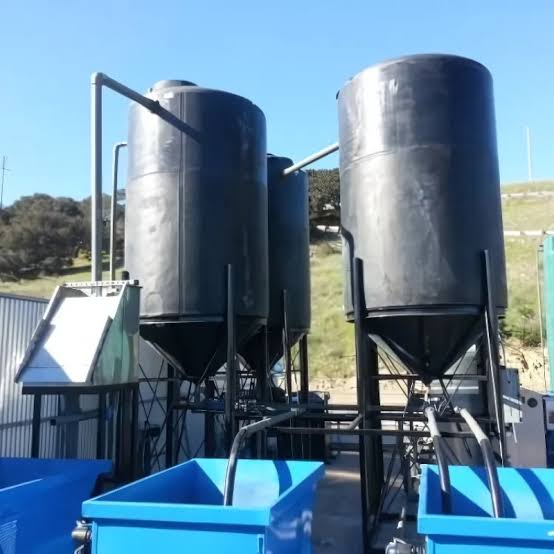
Water treatment is an important process in homes, industries, and municipal facilities. Dirty water often contains sand, mud, suspended solids, and other unwanted materials. Before the water can be reused or treated further, these solids need to be removed. A settling tank is one of the most common and effective systems used for this purpose.
A settling tank is designed to separate solid particles from water through gravity. It allows heavy materials to sink to the bottom while cleaner water remains near the surface. This simple process helps improve water quality and supports other treatment stages.
What Is a Settling Tank?
A settling tank is a large container or basin used to remove suspended solids from water or wastewater. When dirty water enters the tank, its flow becomes slower. This gives solid particles enough time to settle at the bottom.
The settled material is known as sludge. It is collected and removed for further treatment or safe disposal. The clearer water flows out from the upper part of the tank and moves to the next stage of the treatment process.
Settling tanks are also called sedimentation tanks or clarification tanks, depending on their design and use.
How Does a Settling Tank Work?
The working principle of a settling tank is simple. It uses gravity instead of complex mechanical equipment to separate solids from water.
The process usually follows these steps:
- Dirty water enters the tank.
- The water flow slows down inside the basin.
- Heavy particles move downward and collect at the bottom.
- Cleaner water stays near the top.
- The treated water leaves through an outlet.
- Sludge is removed from the bottom of the tank.
The tank must be designed correctly so that water moves slowly and evenly. If the flow is too fast, solid particles may remain suspended and leave the tank with the treated water.
Main Types of Settling Tanks
Different types of settling tanks are used for different treatment needs. The most common designs include rectangular tanks, circular tanks, and hopper-bottom tanks.
Rectangular Settling Tanks
Rectangular tanks are often used in large water and wastewater treatment plants. Water moves in a straight direction from the inlet to the outlet. Sludge is collected at the bottom and removed using mechanical scrapers or other equipment.
Circular Settling Tanks
Circular tanks are commonly used because they provide efficient water movement and sludge collection. Water usually enters near the centre and flows outward. A rotating scraper collects the settled sludge from the bottom.
Hopper-Bottom Tanks
Hopper-bottom tanks have a sloped or cone-shaped base. This design helps sludge move toward a collection point. They are useful when solid materials need to be removed easily and regularly.
Uses of Settling Tanks
A settling tank can be used in many industries and treatment systems. It is commonly found in:
- Drinking water treatment plants
- Wastewater treatment facilities
- Industrial water treatment systems
- Food processing factories
- Paper manufacturing plants
- Chemical industries
- Mining operations
- Stormwater treatment systems
In drinking water treatment, settling tanks remove suspended particles before filtration. In wastewater treatment, they help separate solid waste from liquid water.
Benefits of Using a Settling Tank
One of the biggest benefits of a settling tank is its simple operation. It mainly depends on gravity, which means it can work without using large amounts of energy.
Other important benefits include:
- Effective removal of suspended solids
- Lower energy consumption
- Simple design and operation
- Reduced load on filters
- Improved water clarity
- Suitable for many industries
- Easy integration with other treatment systems
By removing solid particles early in the treatment process, a settling tank helps protect pumps, filters, and other equipment from damage or blockage.
Important Design Factors
Several factors should be considered when designing or selecting a settling tank. The size of the tank must match the amount of water being treated. A tank that is too small may not provide enough time for solids to settle.
Water flow, particle size, sludge volume, and retention time are also important. Retention time refers to how long water remains inside the tank. A suitable retention time allows particles to settle properly.
The tank should also have a good inlet and outlet design. Uneven water movement can disturb settled sludge and reduce treatment efficiency.
Maintenance of a Settling Tank
Regular maintenance is necessary to keep a settling tank working properly. Sludge should be removed before it becomes too deep. Excess sludge can reduce the available space inside the tank and affect water flow.
Operators should also inspect the inlet, outlet, scrapers, valves, and sludge removal equipment. Any damage or blockage should be repaired quickly.
Cleaning the tank at planned intervals helps prevent unpleasant smells, corrosion, and the build-up of unwanted materials. Regular inspections also improve the working life of the system.
Settling Tank and Environmental Protection
Settling tanks play an important role in protecting the environment. Untreated wastewater can contain harmful solids that may damage rivers, lakes, and soil. By removing these materials, settling tanks help reduce pollution.
They also support water recycling and reuse. Treated water can sometimes be used for industrial processes, irrigation, or other suitable purposes, depending on its quality and local regulations.
Conclusion
A settling tank is an important part of many water and wastewater treatment systems. It uses gravity to separate solid particles from water, making the treatment process more effective and reliable.
With the correct design, regular maintenance, and proper sludge removal, a settling tank can provide efficient solid separation for many years. It is a practical solution for industries and treatment plants that need cleaner water and better environmental protection.
