

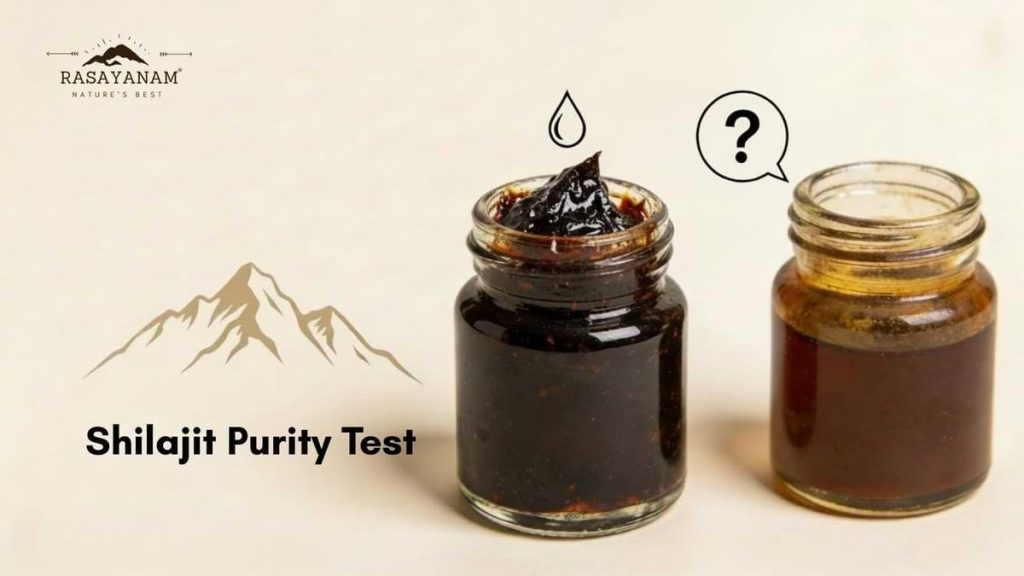
The global Shilajit market is booming, but so is the number of counterfeit products. With more than 60% of Shilajit products being adulterated or fake, knowing how to perform a proper shilajit purity test has never been more important. This comprehensive guide will walk you through five simple methods to conduct a shilajit test at home and identify pure shilajit before you buy.
What Is Pure Shilajit and Why Does Purity Matter?
Authentic Shilajit is a rare, sticky resin from high-altitude Himalayan rocks. Pure shilajit contains over 85 trace minerals and high concentrations of fulvic acid, delivering remarkable health benefits including enhanced energy and improved stamina. However, the purity of shilajit directly impacts its effectiveness. Adulterated products may contain harmful fillers, making a proper purity test of shilajit essential for your health.
5 Proven Methods for Shilajit Purity Test
1. The Water Solubility Test
The water solubility test is the most reliable shilajit purity test you can perform at home.
How to conduct:
- Take a rice-grain-sized piece of Shilajit
- Drop it into a glass of warm water
- Wait 10-15 minutes and observe
Results: Pure shilajit dissolves completely, turning water golden-brown with uniform consistency. Any sediment, floating particles, or undissolved chunks indicate adulteration. This test works because authentic Shilajit is hydrophilic due to its high fulvic acid content.
2. The Temperature Flexibility Test
This shilajit test leverages temperature response—difficult for counterfeiters to replicate.
Testing process:
- Place Shilajit in your palm
- Close your fist for 2-3 minutes
- Observe texture changes
Expected results: Genuine Shilajit becomes soft and sticky when warmed, then hard and brittle when refrigerated. If consistency doesn’t change with temperature, it’s likely mixed with synthetic binders. This simple method effectively reveals the purity of shilajit.
3. The Flame Test
A quick authentication method for your purity test of shilajit.
Safety procedure:
- Hold a small piece with metal tweezers
- Bring a flame close (not touching)
- Observe the reaction
What happens: Authentic Shilajit won’t catch fire—it bubbles and creates ash-like residue. If it ignites, produces black smoke, or smells like burning plastic, you’ve identified a fake. This shilajit purity test works because real Shilajit is mineral-rich, not petroleum-based.
4. The Texture and Pliability Test
Physical consistency provides crucial clues about pure shilajit.
At room temperature: Pure shilajit should be semi-solid with tar-like consistency. It should be somewhat pliable and leave slight residue on fingers. If it crumbles into powder or feels waxy, the purity of shilajit is questionable.
5. The Sensory Test
Your senses are powerful tools for a basic shilajit test.
Visual check: Pure shilajit ranges from dark brown to black with glossy sheen and consistent color throughout.
Smell test: Genuine Shilajit has a distinctive earthy, slightly bitter aroma. Chemical smells or no odor at all are major red flags indicating poor purity of shilajit.
Red Flags: Signs of Fake Shilajit
Watch for these warning signs when conducting your purity test of shilajit:
- Unrealistically low prices
- No sourcing information or lab certificates
- Uniform, plastic-like appearance
- Missing fulvic acid content information
- Powder form (easier to adulterate)
Why Choose Lab-Tested, Certified Shilajit
While home shilajit purity test methods are valuable, partnering with trusted brands eliminates guesswork. At Rasayanam, we understand that purity of shilajit is non-negotiable. Every batch undergoes rigorous third-party testing for heavy metals, fulvic acid percentage, and microbial contamination.
Our Shilajit Gold is sourced from pristine Himalayan altitudes with:
- Third-party lab testing for every batch
- Minimum 60% fulvic acid content
- No artificial additives or fillers
- Certificates of Analysis available on request
When you choose quality-tested Shilajit from Rasayanam, you’re investing in authentic Ayurvedic wellness backed by modern science.
Conclusion: Prioritize Purity for Your Health
Learning how to conduct a proper shilajit purity test empowers you to make informed wellness decisions. The five methods outlined—water solubility, flexibility, flame test, texture examination, and sensory evaluation—provide comprehensive verification of pure shilajit.
Remember, the purity of shilajit directly correlates with effectiveness. Don’t compromise your health with questionable products. Whether you perform these tests at home or choose certified brands with transparent protocols, prioritizing purity ensures you receive the full benefits this ancient Ayurvedic substance offers.
Frequently Asked Questions About Shilajit Purity Test
Q: How can I test shilajit purity at home without equipment? A: The simplest shilajit purity test is the water solubility method. Drop a small piece in warm water—pure shilajit dissolves completely within 10-15 minutes, creating golden-brown liquid without sediment.
Q: What percentage of fulvic acid should pure shilajit contain? A: Authentic pure shilajit should contain at least 60% fulvic acid. Always check lab certificates to verify this crucial component that delivers health benefits.
Q: Can fake shilajit be harmful to health? A: Yes. Adulterated Shilajit may contain heavy metals or harmful fillers that cause serious health issues. This is why conducting a shilajit test before consumption is critical.
Q: How often should I perform a purity test of shilajit? A: Test any new batch or brand when you first purchase it. Once you’ve established trust with a certified supplier, occasional verification is sufficient for ensuring purity of shilajit.
Q: Does the color of Shilajit indicate its purity? A: While color alone isn’t definitive, pure shilajit is typically dark brown to black with glossy sheen. Always combine visual inspection with other purity test of shilajit methods for accurate verification.
